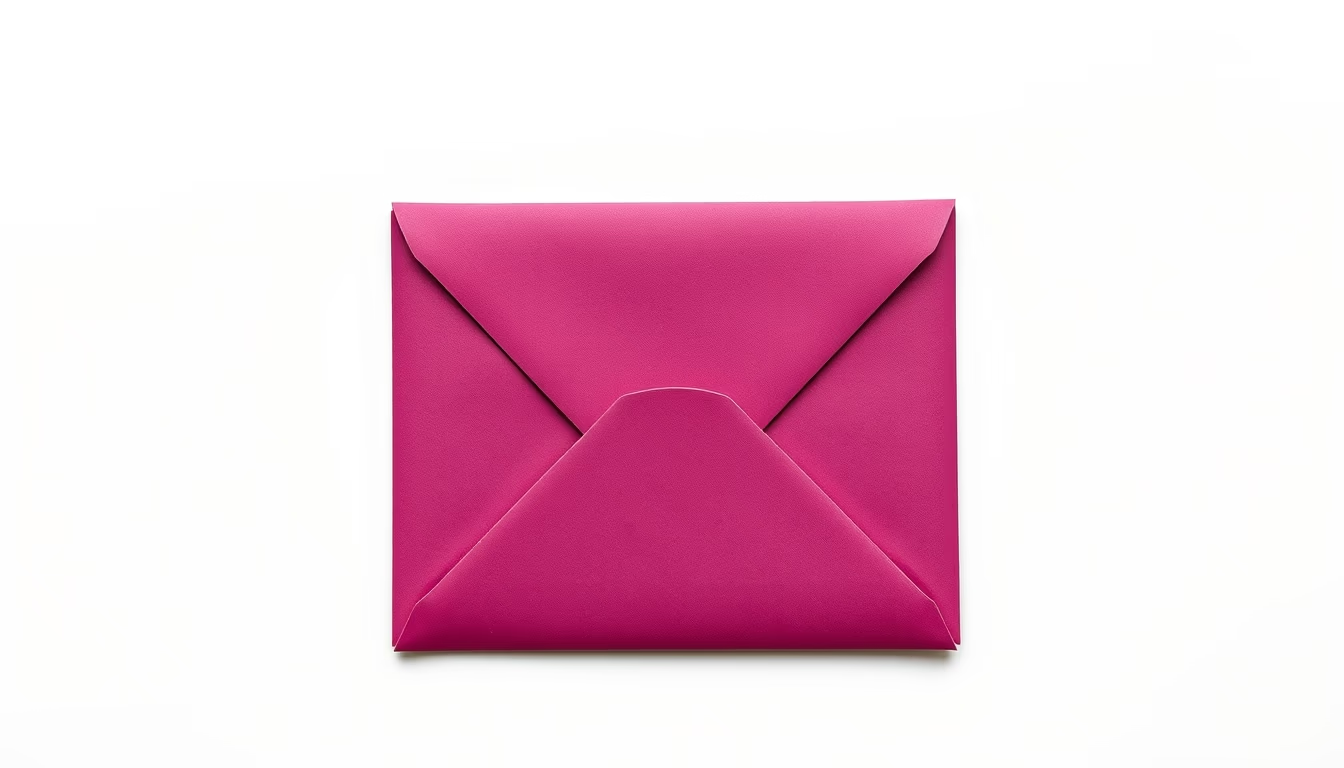
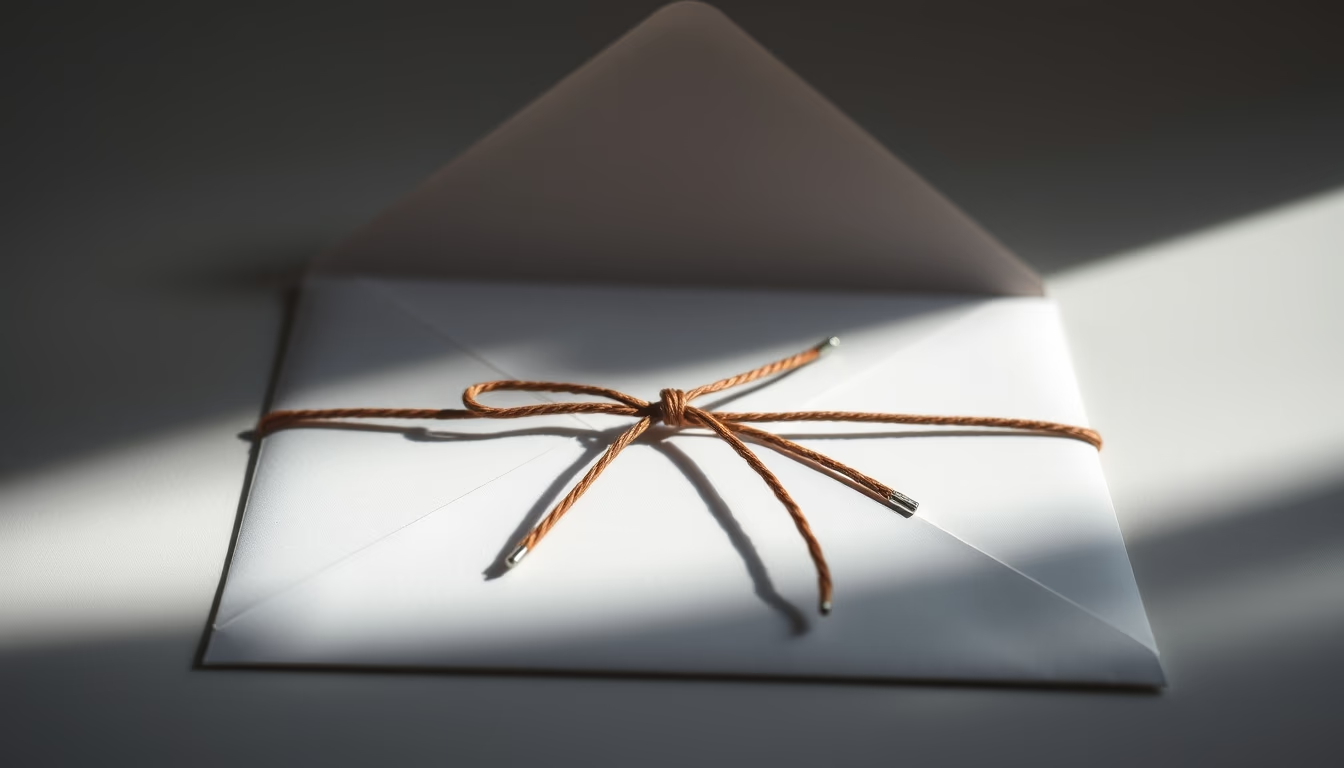
Invitation envelope sealed
1344×768 · AVIF · CC BY 4.0
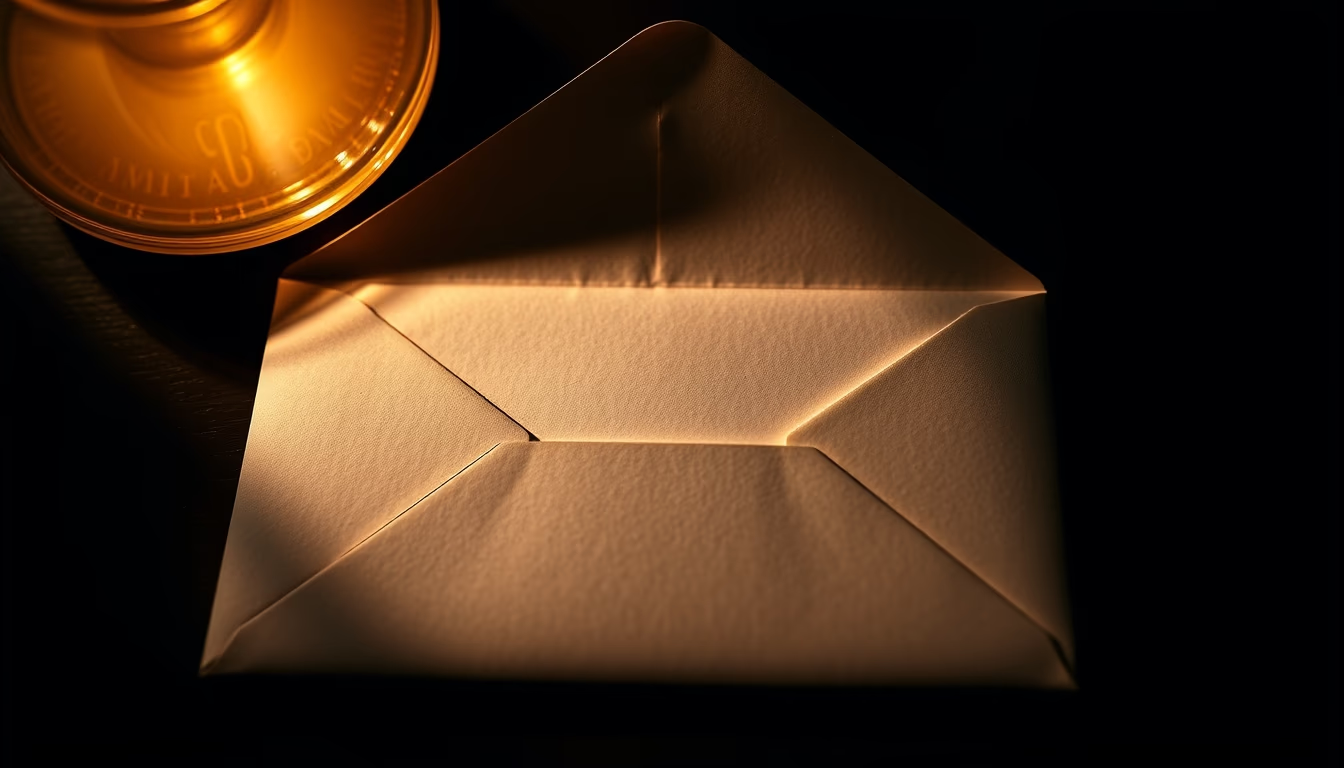
Sealed invitation envelopes, often adorned with wax seals or decorative stickers, carry tradition and anticipation even before being opened.
About this subject
The sealed invitation envelope is a classic element in formal ceremonies, especially weddings. It not only protects the invitation but also creates an opening ritual that heightens the guest's anticipation. Traditionally, sealing was done with melted wax and a personalized stamp, a practice dating back to the Middle Ages when seals ensured authenticity and privacy of correspondence. Today, besides wax, metallic stickers, ribbons, or even virtual seals in digital invitations are used.
In Brazil, the use of sealed envelopes for wedding invitations gained momentum in the 2000s, influenced by European and North American trends. Many couples choose seals with the couple's initials or symbols like rings, flowers, or hearts. The choice of envelope material is also important: textured papers like linen or cotton add sophistication. The seal, when well executed, becomes a memorable detail, often photographed and shared on social media before the event itself.
Interestingly, the lighting technique known as Rembrandt lighting, characterized by dramatic shadows and a triangle of light on the face, is frequently used by photographers to highlight the texture of the seal and paper. This creates images that evoke mystery and elegance, valuing the invitation as an art object. In sustainable invitations, the seal may be replaced by hemp ties or origami folds, but the act of sealing remains symbolic: it represents commitment and the privacy of the invitation.
The tradition of sealing envelopes also appears in historical contexts, such as love letters or official documents. In the world of invitations, the seal is an invitation to pause: before tearing the paper, the guest holds an object that carries the promise of a celebration. Therefore, graphic designers invest in minimalist or ornate compositions, always considering the tactile and visual impact that the sealed envelope provides.
Frequently Asked Questions
Why seal wedding invitation envelopes?
Sealing adds a touch of elegance and formality, and creates a memorable unboxing experience for the guest. It also harkens back to historical traditions of secrecy and authenticity.
What types of seals are most common nowadays?
Besides traditional wax with a stamp, people use metallic stickers, custom paper seals, satin ribbons, or even magnetic seals. The choice depends on the wedding style and budget.
How to photograph a sealed envelope to highlight its details?
Photographers often use dramatic lighting, such as Rembrandt lighting, which creates soft shadows and enhances the texture of paper and seal. A neutral background and macro lenses also help capture details.
Direct URL
https://pub-c7d6a6ea828543ac903a74a341ccb2e1.r2.dev/imagens/invitation-envelope-sealed-rembrandt-lighting-dramatic-shadows-fresh8.avifHow to credit
Include a visible link back to UtilizAí. Copy one of the snippets below:
<a href="https://xn--utiliza-eza.com/en/midia/imagens/invitation-envelope-sealed-rembrandt-lighting-dramatic-shadows-fresh8">Invitation envelope sealed</a> by <a href="https://xn--utiliza-eza.com">UtilizAí</a>, licensed under <a href="https://creativecommons.org/licenses/by/4.0/">CC BY 4.0</a>.
[Invitation envelope sealed](https://xn--utiliza-eza.com/en/midia/imagens/invitation-envelope-sealed-rembrandt-lighting-dramatic-shadows-fresh8) by [UtilizAí](https://xn--utiliza-eza.com), CC BY 4.0
License: CC-BY-4.0