Ink wells antique brass
1344×768 · AVIF · CC BY 4.0

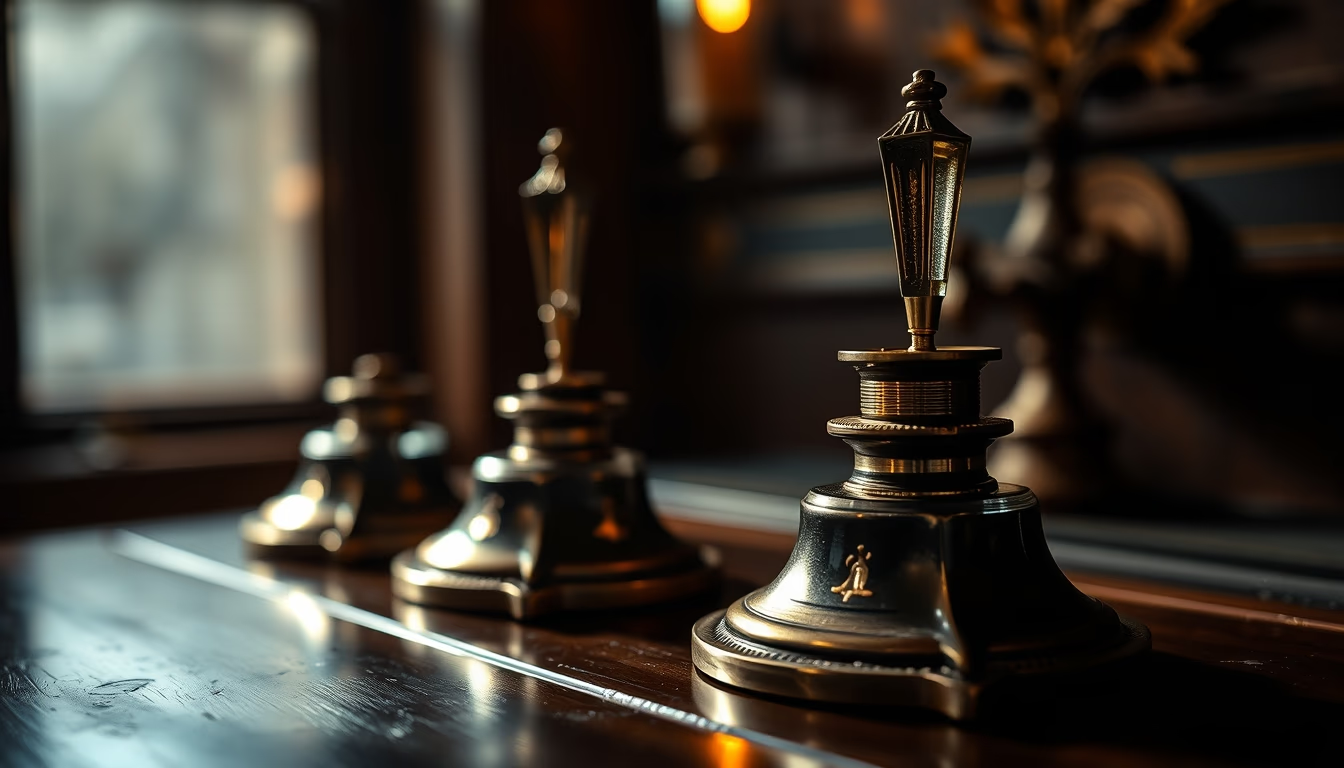
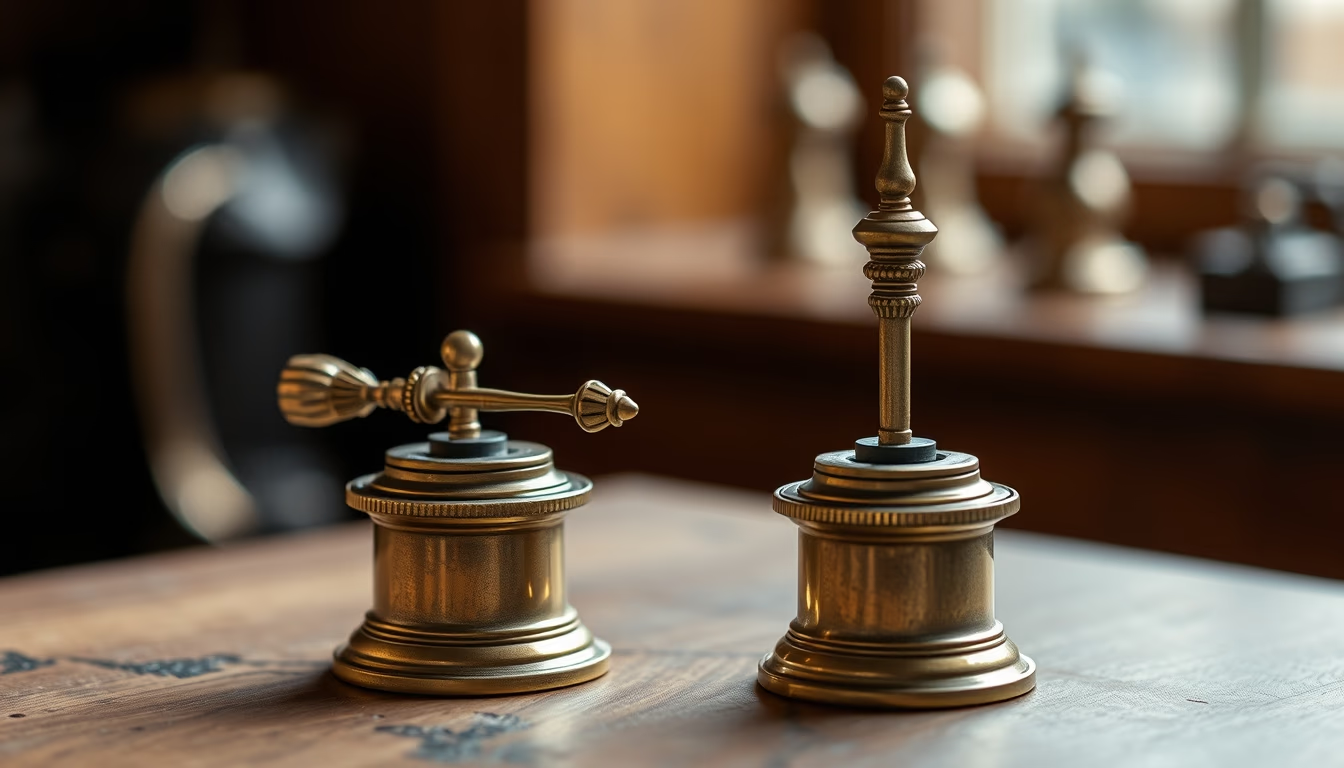
Each antique brass inkwell carries centuries of history, from iron-gall ink to Victorian design, revealing the evolution of handwriting.
About this subject
Antique brass inkwells are objects that date back to a time when ink writing was the primary method of recording. Made from brass, an alloy of copper and zinc, these containers varied in shape and ornamentation, from simple models to richly decorated pieces with floral or geometric motifs. Brass was chosen for its durability and resistance to the corrosive effects of ink, which often contained acids, such as iron-gall ink used from the Middle Ages to the 19th century.
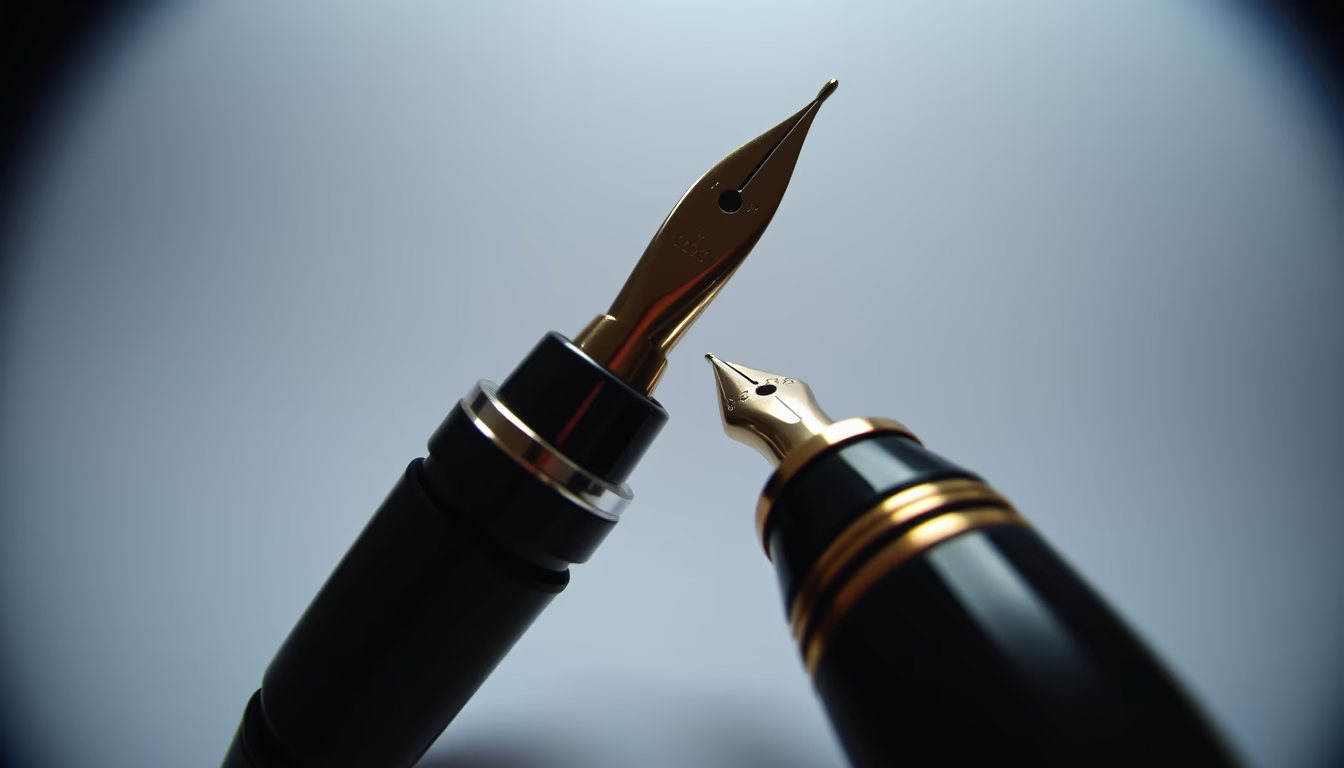
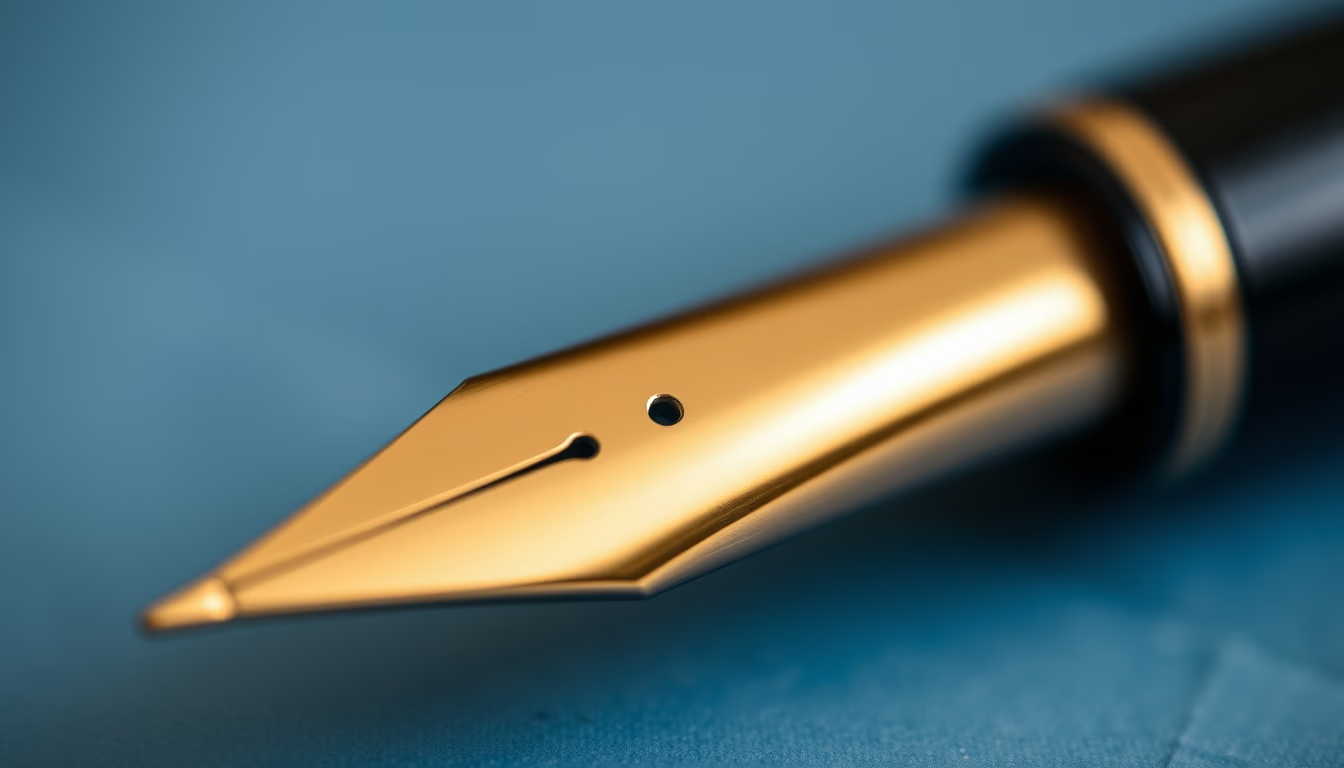
The production of these inkwells flourished in Europe during the 18th and 19th centuries, particularly in England and France, alongside the rise of literacy and state bureaucracy. The pieces were often placed on fine wooden desks, next to goose feathers or metal nibs. Hinged-lid models prevented ink from drying out, and some included a compartment for pounce, used before blotting paper was invented.
Interestingly, inkwell designs reflected the artistic trends of each era: in the Victorian period, pieces with scrollwork and raised details were common; during Art Nouveau, organic and asymmetrical forms gained prominence. In Brazil, brass inkwells were brought by colonizers and used in notary offices and government departments until the early 20th century. Today, they are collectible items valued by historians and calligraphy enthusiasts, who use them to recreate traditional writing techniques.
Maintaining an antique brass inkwell requires care: acidic cleaning products can damage the metal; it is recommended to use neutral wax and a soft cloth. Modern, less corrosive ink can be used, but original iron-gall ink requires glass or ceramic containers to avoid reactions. These pieces not only told stories on paper but also tell the story of writing itself.
Frequently Asked Questions
How can I identify a genuine antique brass inkwell?
Look for casting marks, natural wear on the edges, and an even patina. Original pieces have handmade screws or rivets, and the brass tends to darken over time. Maker's stamps or provenance can help with dating.
What is the difference between a brass inkwell and a glass one?
Glass inkwells were more common for home and school use due to low cost and chemical neutrality. Brass inkwells, being more noble, were used in offices and government buildings, lasting longer and featuring more ornamentation.
Can I use an antique inkwell with modern ink?
Yes, but avoid shellac-based or highly pigmented inks that may react with brass. Rinse the inkwell thoroughly before use and opt for water-based fountain pen inks.
Direct URL
https://pub-c7d6a6ea828543ac903a74a341ccb2e1.r2.dev/imagens/ink-wells-antique-brass-fish-eye-wide-angle-fresh16.avifHow to credit
Include a visible link back to UtilizAí. Copy one of the snippets below:
<a href="https://xn--utiliza-eza.com/en/midia/imagens/ink-wells-antique-brass-fish-eye-wide-angle-fresh16">Ink wells antique brass</a> by <a href="https://xn--utiliza-eza.com">UtilizAí</a>, licensed under <a href="https://creativecommons.org/licenses/by/4.0/">CC BY 4.0</a>.
[Ink wells antique brass](https://xn--utiliza-eza.com/en/midia/imagens/ink-wells-antique-brass-fish-eye-wide-angle-fresh16) by [UtilizAí](https://xn--utiliza-eza.com), CC BY 4.0
License: CC-BY-4.0