Ink wells antique brass
1344×768 · AVIF · CC BY 4.0
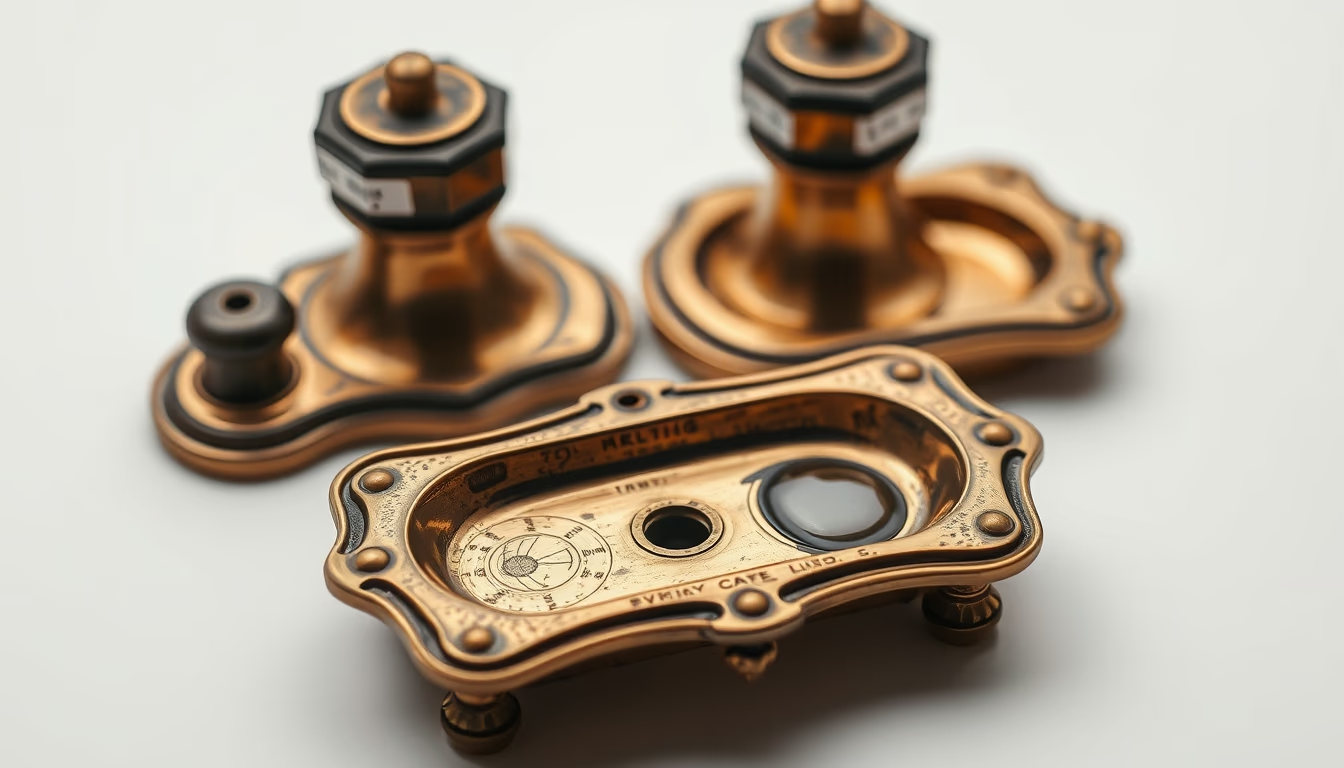
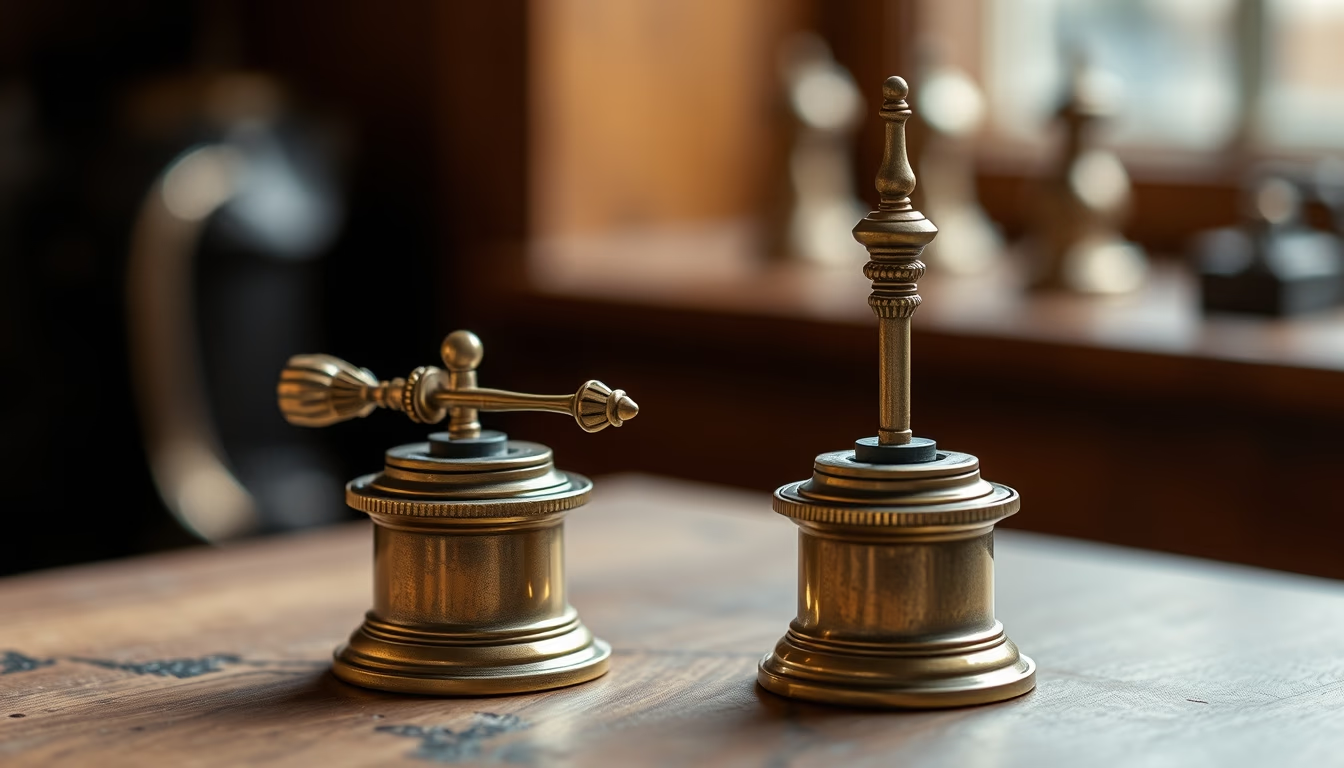
Antique brass inkwells, historical writing tools blending functionality and decorative craftsmanship, were essential on desks and writing tables before the widespread adoption of modern fountain pens.
About this subject
Antique brass inkwells represent a fascinating chapter in writing history, when ink needed to be stored in practical yet elegant containers. Crafted predominantly between the 18th and 19th centuries, these objects combined utility with art, often featuring ornamental details such as embossing, turned shapes, and patinated finishes. Brass, an alloy of copper and zinc, was chosen for its durability, corrosion resistance, and ability to take a high polish, yielding a golden luster that aged gracefully over time.
In Europe and the Americas, brass inkwells equipped everything from government office desks to the writing tables of intellectuals and merchants. They were frequently accompanied by blotting pads, secondary ink holders, and pen stands, forming sets known as "desk sets." Artisanal production ranged from simple functional models to luxurious pieces with silver or ivory inlays, reflecting the owner's status. With the invention of the self-contained fountain pen in the late 19th century, the use of inkwells declined, but they remain valued collector's items.
Interestingly, the design of brass inkwells influenced later decorative objects, and today they are prized by antique dealers and vintage writing enthusiasts. The natural patina that brass develops over years is one of the most desirable attributes, indicating authenticity and age. Collectors seek marks from renowned makers such as the English W. T. & Co. or American Tiffany & Co., which produced iconic pieces in the 19th century.
To preserve an antique brass inkwell, gentle cleaning with a dry cloth is recommended, avoiding abrasive products since the patina contributes to historical value. Complete pieces with original lids and no structural damage are rarer and fetch high prices at auctions.
Frequently Asked Questions
How can I identify an original antique brass inkwell?
Check for manufacturer's marks on the base or lid, uniform patina, and quality of cast details. Original pieces are usually heavy and have slight irregularities in polishing typical of handcrafted work.
What is the best way to clean an antique brass inkwell without damaging it?
Use a soft, dry cloth to remove dust. If necessary, lightly dampen the cloth with distilled water. Avoid chemicals, steel wool, or automotive polishes as they can strip the patina and reduce historical value.
Can antique brass inkwells still be used with modern ink?
Yes, but with caution. Modern ink, especially India ink, can react with brass residue and corrode the container. It is recommended to use a removable glass insert or display only, preserving the original piece.
Direct URL
https://pub-c7d6a6ea828543ac903a74a341ccb2e1.r2.dev/imagens/ink-wells-antique-brass-commercial-product-photography-fresh7.avifHow to credit
Include a visible link back to UtilizAí. Copy one of the snippets below:
<a href="https://xn--utiliza-eza.com/en/midia/imagens/ink-wells-antique-brass-commercial-product-photography-fresh7">Ink wells antique brass</a> by <a href="https://xn--utiliza-eza.com">UtilizAí</a>, licensed under <a href="https://creativecommons.org/licenses/by/4.0/">CC BY 4.0</a>.
[Ink wells antique brass](https://xn--utiliza-eza.com/en/midia/imagens/ink-wells-antique-brass-commercial-product-photography-fresh7) by [UtilizAí](https://xn--utiliza-eza.com), CC BY 4.0
License: CC-BY-4.0