Injera ethiopian flat
1344×768 · AVIF · CC BY 4.0
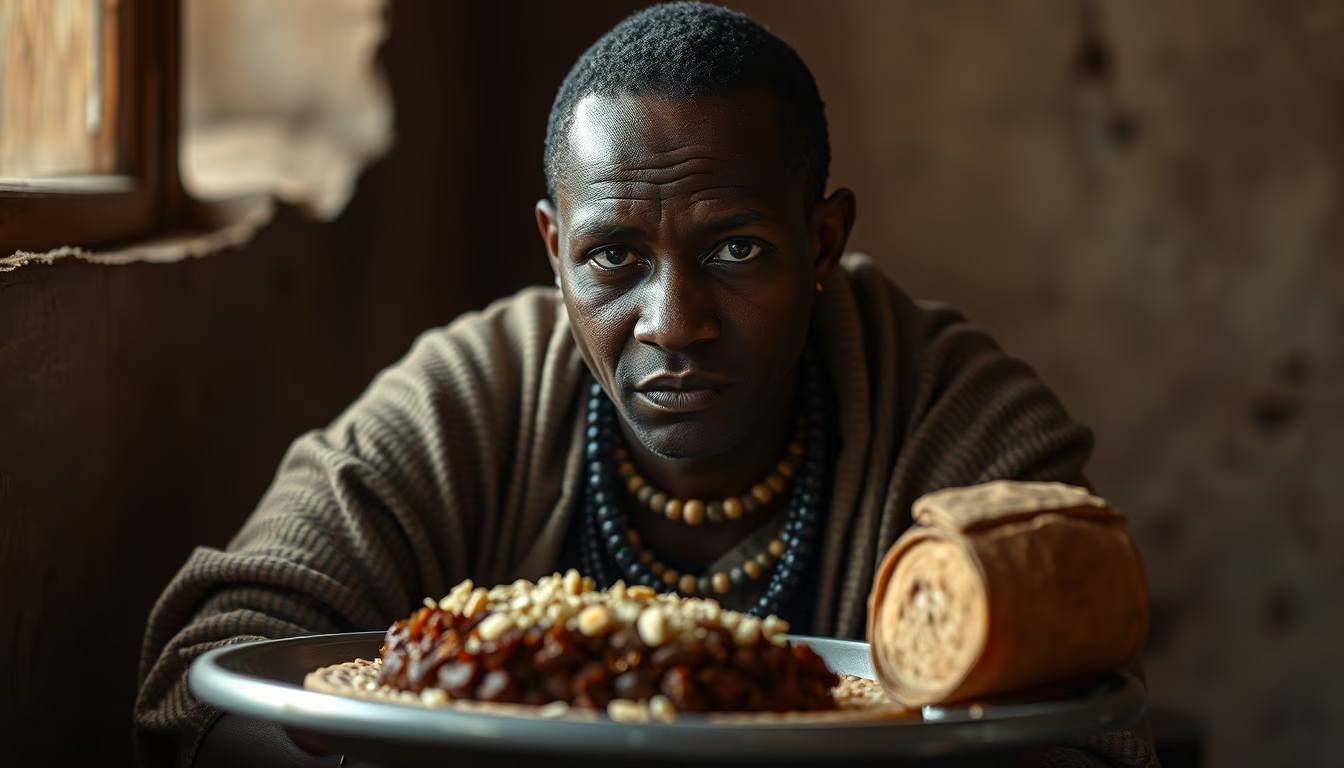
Injera is the Ethiopian sourdough flatbread made from teff flour, naturally fermented and baked in a circular shape, staple of East African cuisine.
About this subject
Injera is a spongy flatbread central to the cuisines of Ethiopia and Eritrea. It is made from teff flour, a tiny, iron- and calcium-rich cereal grain cultivated in the Horn of Africa for millennia. The batter undergoes a natural fermentation lasting two to three days, which gives it a mildly sour flavor and a porous texture ideal for soaking up sauces and stews.
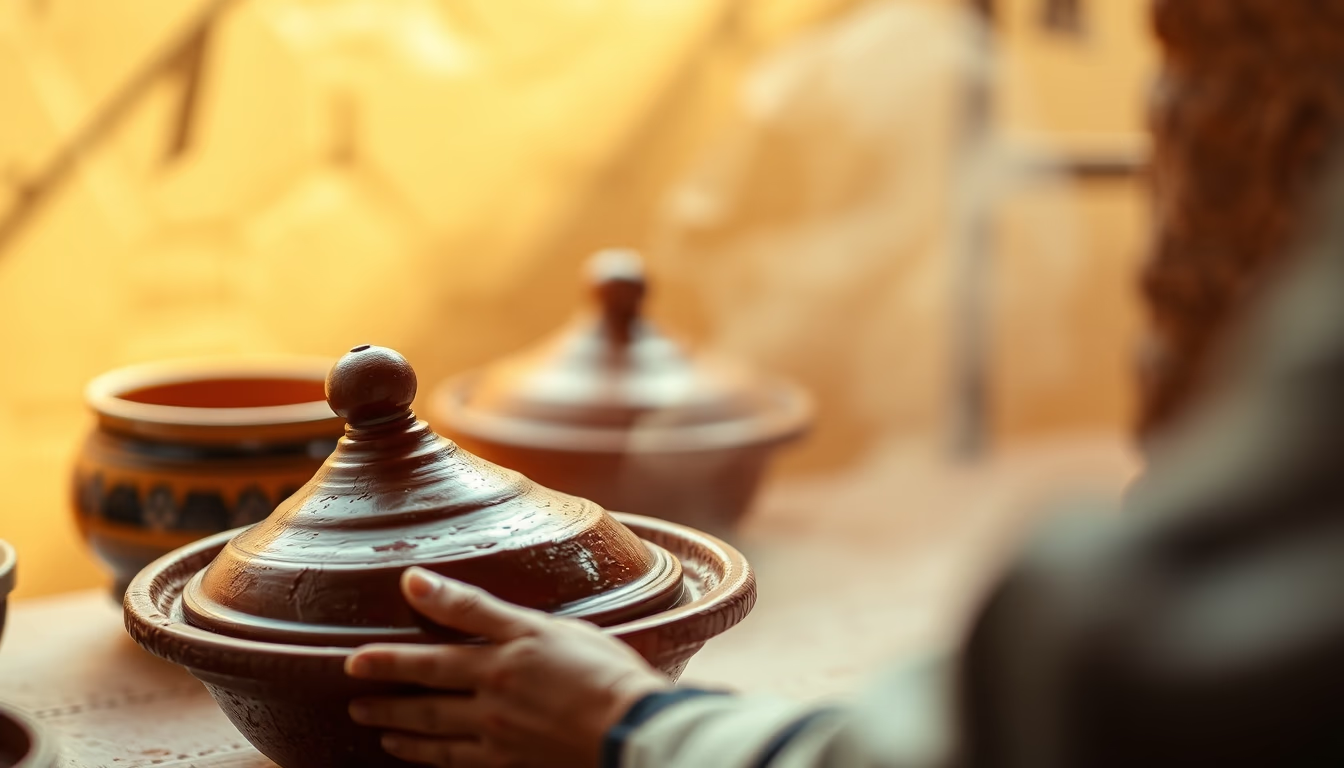
Traditionally, injera is baked on a flat clay or metal griddle called mitad, yielding a thin, flexible disk. During a meal, it serves as both plate and utensil: diners tear off pieces to scoop up servings of wat (spicy stews) such as doro wat (chicken), misir wat (lentil), or gomen (collard greens). The gesture of feeding a piece of injera to another person, known as gursha, symbolizes friendship and respect.
Injera production varies depending on grain availability. In rural Ethiopia, teff is preferred, but in urban areas or abroad, flours from wheat, barley, or sorghum are used, often blended. Since it is naturally gluten-free when made with 100% teff, injera has gained popularity among people with dietary restrictions. Moreover, its extended fermentation reduces phytates and improves nutrient absorption, making it a functional food.
Culturally, injera represents more than sustenance: it is a symbol of unity and hospitality. In the Ethiopian diaspora, restaurants serve injera as the base for colorful, aromatic dishes, and its presence on tables worldwide grows with interest in fermented and gluten-free foods. Despite globalization, the traditional recipe, passed down orally through generations, remains largely unchanged.
Frequently Asked Questions
What does injera taste like?
Injera has a mildly sour, tangy flavor resulting from the natural fermentation of teff batter. The acidity is subtle and complements the spicy, bold flavors of Ethiopian stews.
Is injera gluten-free?
Yes, when made solely from teff flour, injera is naturally gluten-free. However, many commercial versions may blend wheat flour, so check the ingredients if you have celiac disease or gluten sensitivity.
How do you eat injera?
Traditionally, injera is laid flat on a platter and topped with portions of wat (stews) and salads. Diners use their right hand to tear off pieces of injera and scoop up the food. Eating from a shared platter is common and fosters communal bonding.
Direct URL
https://pub-c7d6a6ea828543ac903a74a341ccb2e1.r2.dev/imagens/injera-ethiopian-flat-rembrandt-lighting-dramatic-shadows-fresh13.avifHow to credit
Include a visible link back to UtilizAí. Copy one of the snippets below:
<a href="https://xn--utiliza-eza.com/en/midia/imagens/injera-ethiopian-flat-rembrandt-lighting-dramatic-shadows-fresh13">Injera ethiopian flat</a> by <a href="https://xn--utiliza-eza.com">UtilizAí</a>, licensed under <a href="https://creativecommons.org/licenses/by/4.0/">CC BY 4.0</a>.
[Injera ethiopian flat](https://xn--utiliza-eza.com/en/midia/imagens/injera-ethiopian-flat-rembrandt-lighting-dramatic-shadows-fresh13) by [UtilizAí](https://xn--utiliza-eza.com), CC BY 4.0
License: CC-BY-4.0