Injera ethiopian flat
1344×768 · AVIF · CC BY 4.0
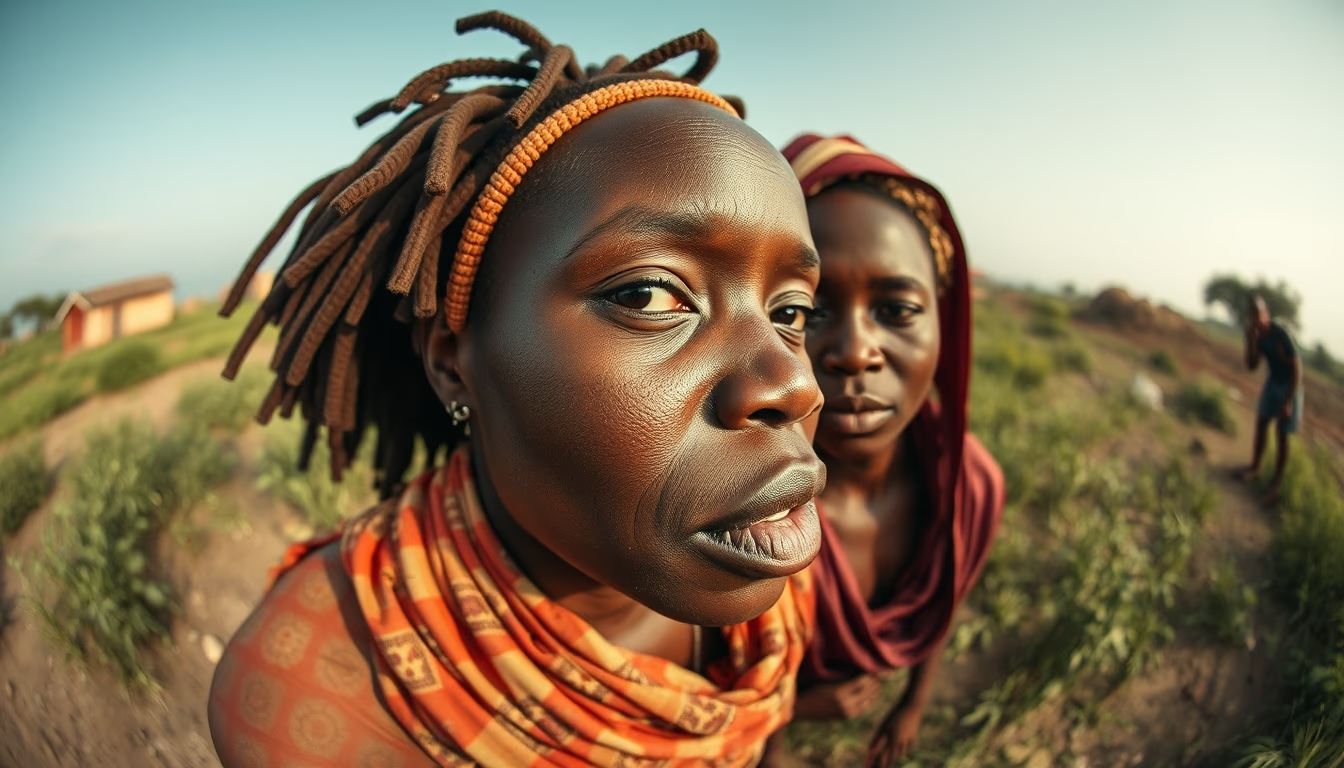
Injera is the traditional Ethiopian flatbread, a spongy fermented pancake made from teff flour, used as both base and utensil for stews.
About this subject
Injera is the national bread of Ethiopia, a spongy fermented pancake with a slightly sour taste, made from teff flour, a tiny nutrient-rich grain native to the Horn of Africa. The preparation process involves natural fermentation for several days, which develops its characteristic tang and creates air bubbles that form small holes on the surface. Traditionally, the batter is cooked on a large flat griddle called mitad, resulting in thin, flexible discs.
In Ethiopian cuisine, injera is not just a side but the main dish upon which spicy stews like doro wat (chicken with boiled eggs) and misir wat (lentils) are served. Diners tear pieces of injera to scoop up the food, and the bread’s base absorbs the flavors of the sauces. In many regions, the meal is shared from a large platter, symbolizing unity and community.
Teff production faces scalability challenges due to its tiny grain size and low yield, but it is highly drought-tolerant. In recent years, injera’s global popularity has grown with the Ethiopian diaspora and the search for gluten-free foods. Teff flour is gluten-free and rich in iron, calcium, and fiber, making injera a nutritious alternative to common breads.
Interestingly, in Ethiopia, injera is made from white, red, or mixed teff, each imparting slightly different flavor and color. Fermentation can range from 1 to 3 days depending on temperature and local preference. Including injera in a meal is so essential that it is said a dish without this bread is not a complete meal.
Frequently Asked Questions
What is injera and how is it made?
Injera is a traditional fermented flatbread from Ethiopia, made from teff flour. The batter undergoes natural fermentation for a few days, then is cooked on a hot griddle, resulting in a spongy texture and sour flavor.
Why is injera considered gluten-free?
Because teff flour, the main ingredient in injera, is naturally gluten-free. This makes it a safe option for people with celiac disease or gluten sensitivity.
What is the cultural significance of injera in Ethiopia?
Injera serves as the base and utensil for Ethiopian meals. It symbolizes unity as diners share from a single platter, tearing pieces of bread to scoop stews. It is central to daily meals and festive occasions.
Direct URL
https://pub-c7d6a6ea828543ac903a74a341ccb2e1.r2.dev/imagens/injera-ethiopian-flat-fish-eye-wide-angle-fresh11.avifHow to credit
Include a visible link back to UtilizAí. Copy one of the snippets below:
<a href="https://xn--utiliza-eza.com/en/midia/imagens/injera-ethiopian-flat-fish-eye-wide-angle-fresh11">Injera ethiopian flat</a> by <a href="https://xn--utiliza-eza.com">UtilizAí</a>, licensed under <a href="https://creativecommons.org/licenses/by/4.0/">CC BY 4.0</a>.
[Injera ethiopian flat](https://xn--utiliza-eza.com/en/midia/imagens/injera-ethiopian-flat-fish-eye-wide-angle-fresh11) by [UtilizAí](https://xn--utiliza-eza.com), CC BY 4.0
License: CC-BY-4.0