Injera ethiopian flat
1344×768 · AVIF · CC BY 4.0
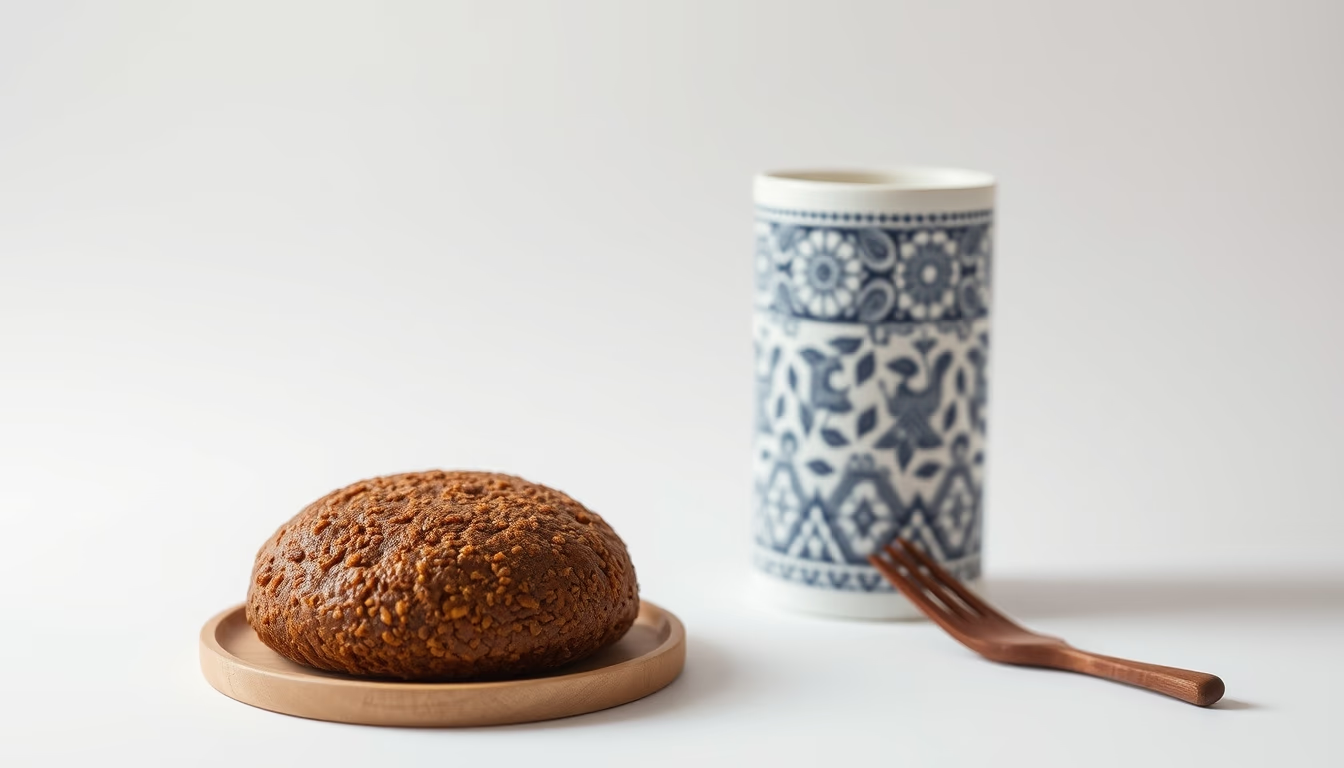
Injera is a fermented Ethiopian flatbread made from teff flour, a staple used both as a dish and eating utensil.
About this subject
Injera, the traditional flatbread of Ethiopia and Eritrea, is an ancient staple that defines the meal structure in these cultures. Made primarily from teff flour, a tiny grain native to the Horn of Africa, the natural fermentation process gives injera a spongy texture and a slightly sour tang, typical of fermented doughs. The preparation involves a multi-day fermentation that not only creates its distinctive flavor but also enhances the bioavailability of nutrients like iron and calcium from the teff.
Injera serves a dual purpose: it is both the plate and the utensil. A large sheet of injera is spread on a tray, topped with spicy stews called wot, made from meat, vegetables, or lentils, seasoned with berbere, an Ethiopian spice blend. Diners tear pieces of injera with their right hand and use them to scoop up the stew, eating directly. This communal act of sharing from the same platter symbolizes unity and trust, central to daily meals and festive gatherings alike.
Culturally, injera appears in every Ethiopian meal, from breakfast to dinner. Teff, its core ingredient, is a nutrient-dense, naturally gluten-free grain, which has boosted injera's popularity among health-conscious and gluten-free consumers worldwide. While the traditional version uses 100% teff flour, modern variations incorporate wheat, barley, or corn, especially in the diaspora, to reduce cost or adjust taste. Injera is more than food: it is a symbol of Ethiopian identity and cultural resilience, preserved even by communities far from home.
Frequently Asked Questions
Is injera naturally gluten-free?
Yes, when made solely from teff flour, injera is naturally gluten-free. Teff is an ancient grain that contains no gluten, making it safe for people with celiac disease or gluten sensitivity.
How is injera traditionally eaten?
In Ethiopia, injera is served as a base for stews. Diners use their right hand to tear off pieces of injera and scoop up the food, eating directly. No utensils are used, and the meal is a communal experience.
What is teff and why is it so nutritious?
Teff is a tiny cereal grain native to Ethiopia, rich in fiber, protein, iron, calcium, and magnesium. It thrives in arid conditions and its flour is the base of traditional injera.
Direct URL
https://pub-c7d6a6ea828543ac903a74a341ccb2e1.r2.dev/imagens/injera-ethiopian-flat-commercial-product-photography-fresh2.avifHow to credit
Include a visible link back to UtilizAí. Copy one of the snippets below:
<a href="https://xn--utiliza-eza.com/en/midia/imagens/injera-ethiopian-flat-commercial-product-photography-fresh2">Injera ethiopian flat</a> by <a href="https://xn--utiliza-eza.com">UtilizAí</a>, licensed under <a href="https://creativecommons.org/licenses/by/4.0/">CC BY 4.0</a>.
[Injera ethiopian flat](https://xn--utiliza-eza.com/en/midia/imagens/injera-ethiopian-flat-commercial-product-photography-fresh2) by [UtilizAí](https://xn--utiliza-eza.com), CC BY 4.0
License: CC-BY-4.0