Incan terraces
1344×768 · AVIF · CC BY 4.0
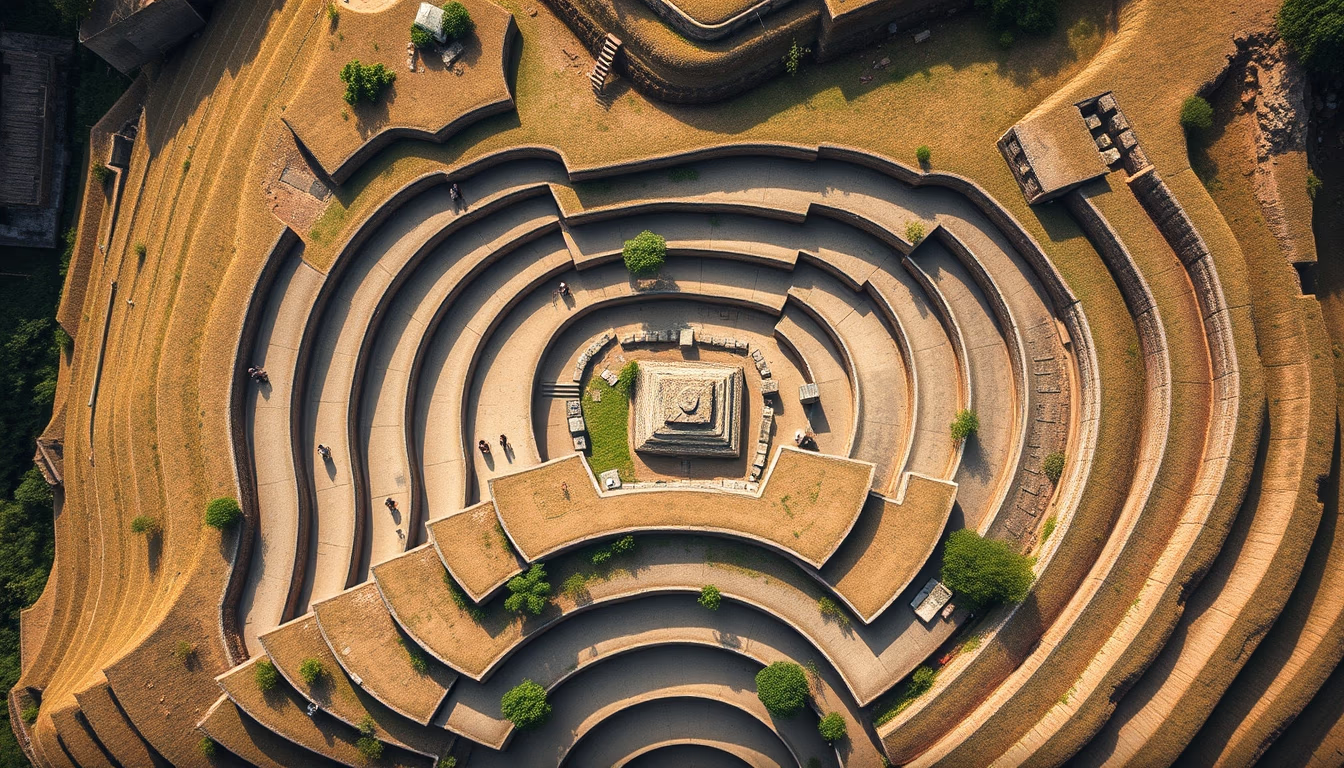
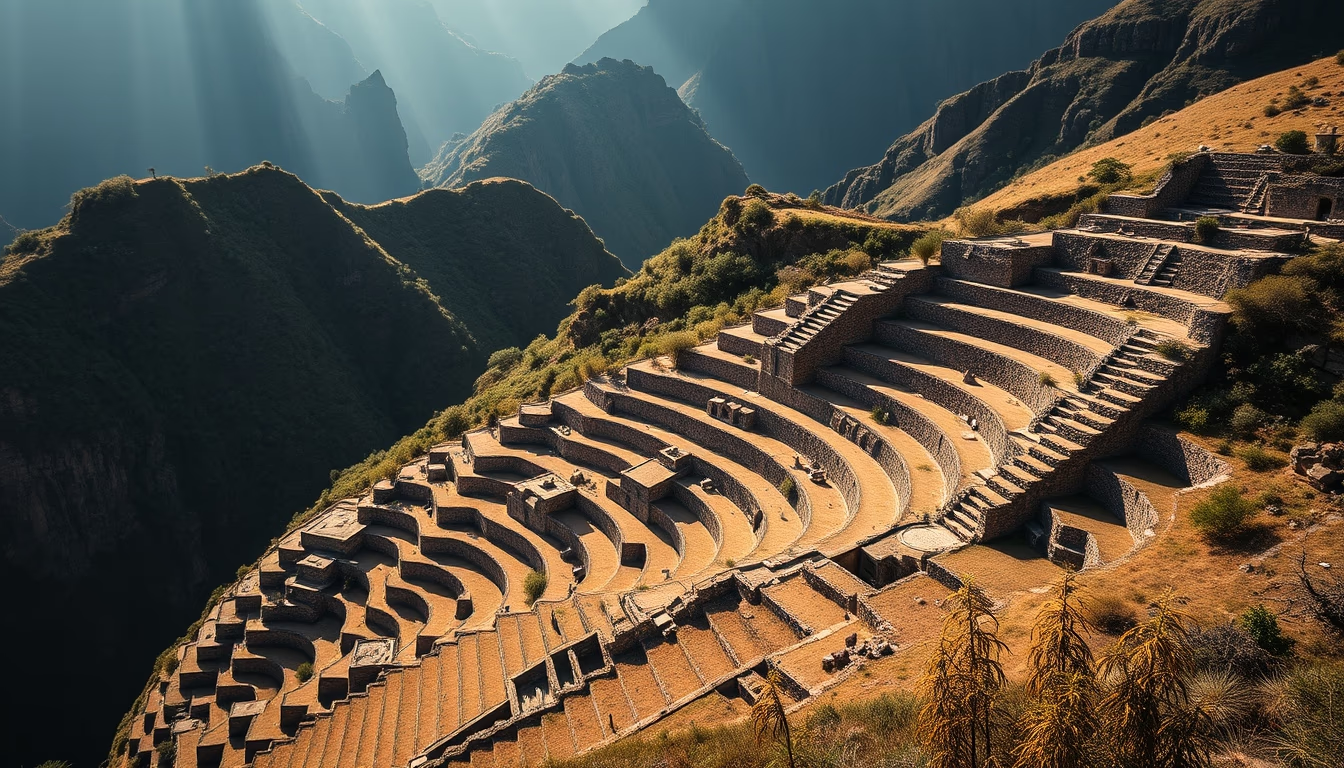
Incan terraces, known as andenes, were ingenious agricultural systems that transformed the Andean mountains into fertile land.
About this subject
Incan terraces, known as andenes, are agricultural structures built by the Inca civilization from the 15th century on the steep slopes of the Andes. They consist of stepped platforms of stone and earth, with retaining walls that prevent soil erosion. This technique allowed cultivation at altitudes ranging from 2,500 to 4,000 meters, where the climate is harsh and the terrain mountainous. The Incas maximized the microclimate created at each level, planting maize, potatoes, quinoa, and other crops adapted to different temperatures and humidity.
Construction of these terraces required advanced engineering and hydraulic knowledge. The Incas developed irrigation systems with canals that distributed rainwater and spring water throughout the complex. Stones were fitted perfectly without mortar, ensuring stability even during earthquakes. An iconic example is the terraces of Machu Picchu, which still impress with their precision and integration into the landscape.
Beyond agricultural value, the andenes had symbolic and religious significance, representing the order and dominance of the Inca Empire over nature. Today, many of these terraces remain in use by Andean communities, preserving ancestral techniques. Local farmers maintain native seed varieties, contributing to biodiversity and food security. The study of Incan terraces also inspires modern sustainable farming practices in mountainous regions.
The andenes are a testament to the Incas' ability to adapt their hostile environment. They not only fed a vast empire but also created a cultural and ecological legacy that endures. UNESCO recognizes sites like Machu Picchu as World Heritage, highlighting the importance of these structures for the history of engineering and agriculture.
Frequently Asked Questions
What are Incan terraces?
Incan terraces, or andenes, are stepped agricultural platforms built by the Incas in the Andes mountains to grow crops on steep slopes, preventing erosion and creating favorable microclimates.
How did the Incas build these terraces?
They used stones fitted without mortar, retaining walls, and irrigation systems with canals to distribute water. Their engineering knowledge allowed adaptation to terrain and climate.
Are Incan terraces still used today?
Yes, many terraces are still used by traditional Andean communities. They grow native varieties of potatoes, maize, and quinoa, maintaining ancestral farming techniques and contributing to biodiversity.
Direct URL
https://pub-c7d6a6ea828543ac903a74a341ccb2e1.r2.dev/imagens/incan-terraces-isometric-flat-lay-p2.avifHow to credit
Include a visible link back to UtilizAí. Copy one of the snippets below:
<a href="https://xn--utiliza-eza.com/en/midia/imagens/incan-terraces-isometric-flat-lay-p2">Incan terraces</a> by <a href="https://xn--utiliza-eza.com">UtilizAí</a>, licensed under <a href="https://creativecommons.org/licenses/by/4.0/">CC BY 4.0</a>.
[Incan terraces](https://xn--utiliza-eza.com/en/midia/imagens/incan-terraces-isometric-flat-lay-p2) by [UtilizAí](https://xn--utiliza-eza.com), CC BY 4.0
License: CC-BY-4.0