Illustrated postcard 1900
1344×768 · AVIF · CC BY 4.0
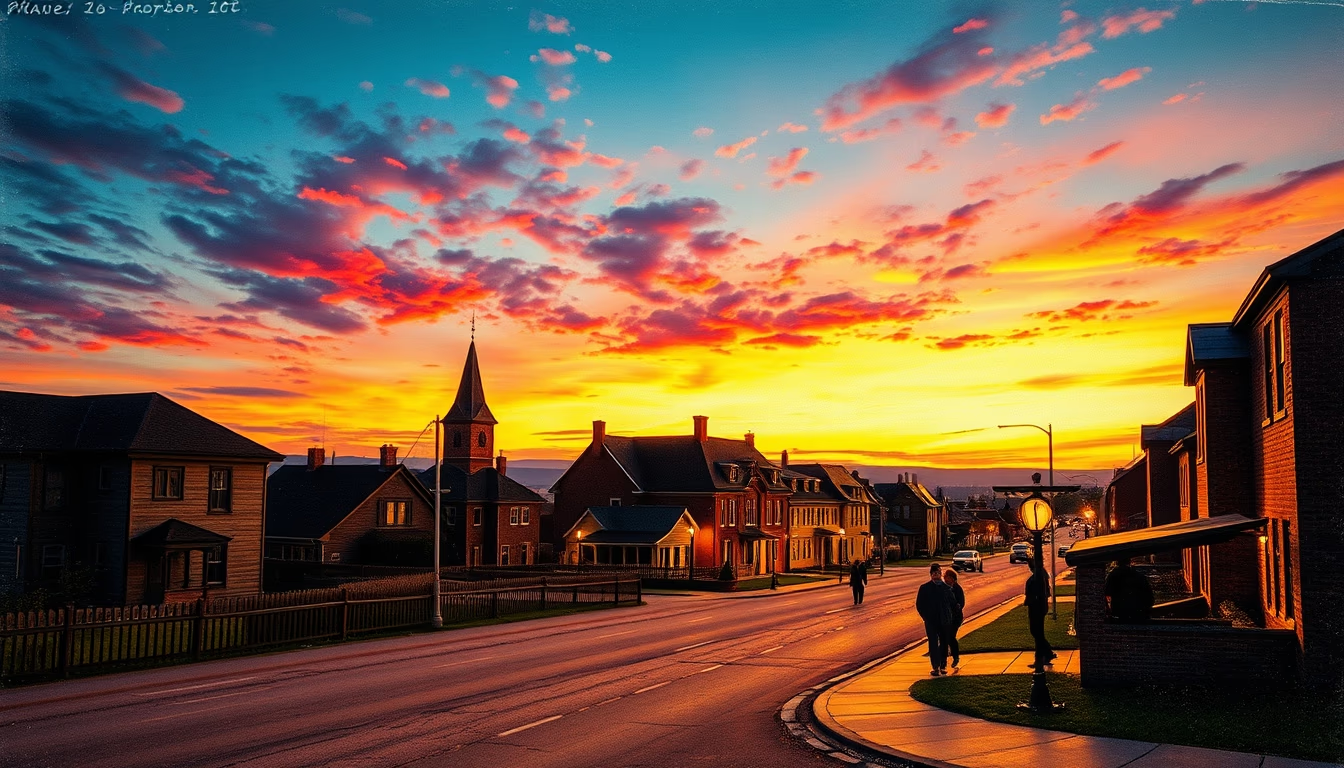
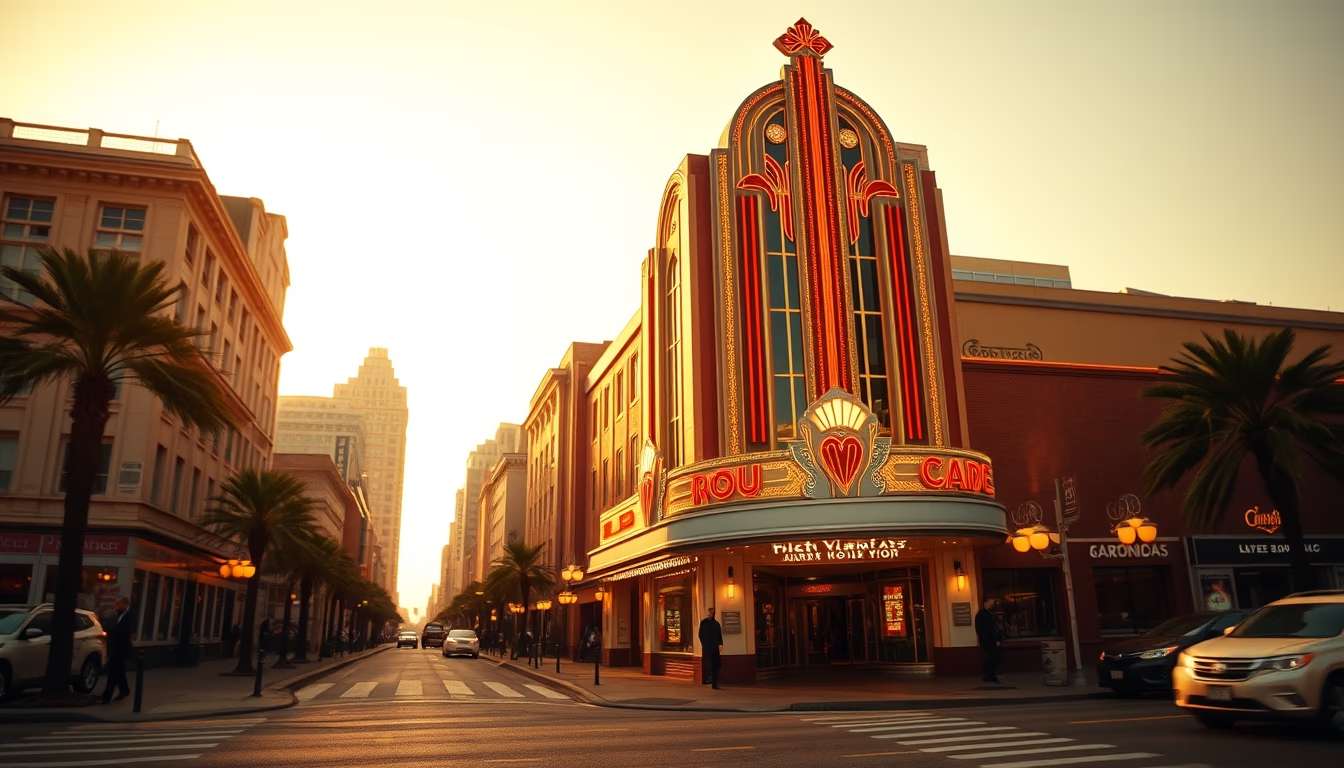
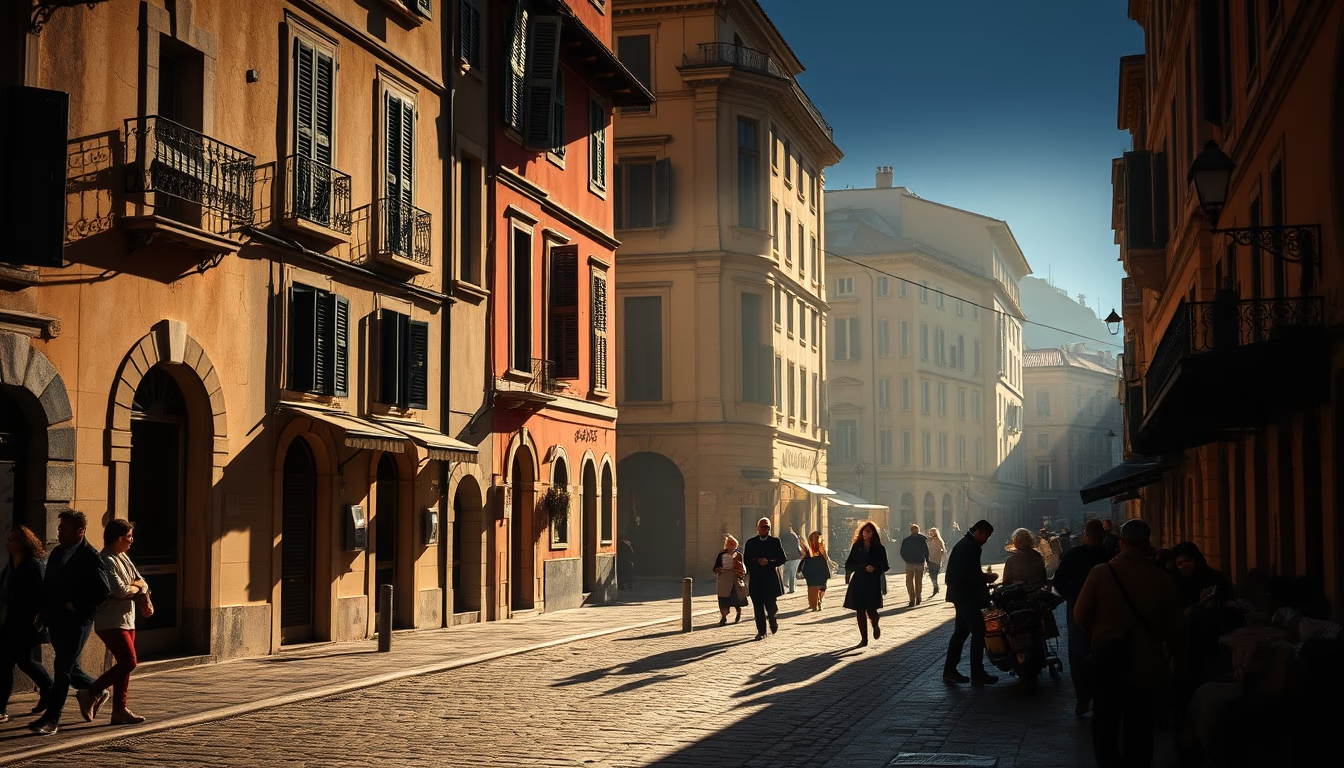
Illustrated postcard from 1900, the golden age of visual correspondence worldwide.
About this subject
In 1900, the illustrated postcard was at its peak as a popular and affordable means of communication. Originating in Europe in the mid-19th century, these small cardboard rectangles combined image and text, allowing ordinary people to send quick messages while sharing views of cities, monuments, everyday scenes, or works of art. Mass production was driven by advances in lithography and especially chromolithography, which enabled vibrant color printing at low cost.
During this period, postcards were often collected in albums, functioning as a kind of visual social network of the turn of the century. Common themes included exotic landscapes, iconic buildings, historical figures, and even graphic humor. In Brazil, postcards from 1900 mainly depicted Rio de Janeiro, then the federal capital, with images of Sugarloaf Mountain, the Municipal Theatre, and busy streets, as well as scenes of coffee production and farm labor.
The long exposure used to photograph this specific postcard gives the image a soft texture and a nostalgic tone, evoking the passage of time and the fragility of paper. The practice of recording these objects with long-duration photographic techniques highlights the details of the original print and the signs of use, such as creases and stains, which tell silent stories of their journeys through the mail.
Frequently Asked Questions
Why were postcards so popular in 1900?
They were cheap, easy to send, and allowed people to share images of distant places, functioning as a visual social network of the era. Mass production with chromolithography made colorful images accessible to everyone.
What themes were common in postcards from 1900?
Urban and rural landscapes, famous monuments, historical figures, work scenes, and graphic humor were frequent. In Brazil, views of Rio de Janeiro and scenes from the coffee cycle stood out.
What does the long-exposure technique reveal in this image of a postcard?
The long exposure enhances details of the original print and signs of use such as creases and stains, giving a nostalgic tone and highlighting the natural deterioration of the paper over time.
Direct URL
https://pub-c7d6a6ea828543ac903a74a341ccb2e1.r2.dev/imagens/illustrated-postcard-1900-long-exposure-fresh11.avifHow to credit
Include a visible link back to UtilizAí. Copy one of the snippets below:
<a href="https://xn--utiliza-eza.com/en/midia/imagens/illustrated-postcard-1900-long-exposure-fresh11">Illustrated postcard 1900</a> by <a href="https://xn--utiliza-eza.com">UtilizAí</a>, licensed under <a href="https://creativecommons.org/licenses/by/4.0/">CC BY 4.0</a>.
[Illustrated postcard 1900](https://xn--utiliza-eza.com/en/midia/imagens/illustrated-postcard-1900-long-exposure-fresh11) by [UtilizAí](https://xn--utiliza-eza.com), CC BY 4.0
License: CC-BY-4.0