Illustrated postcard 1900
1344×768 · AVIF · CC BY 4.0
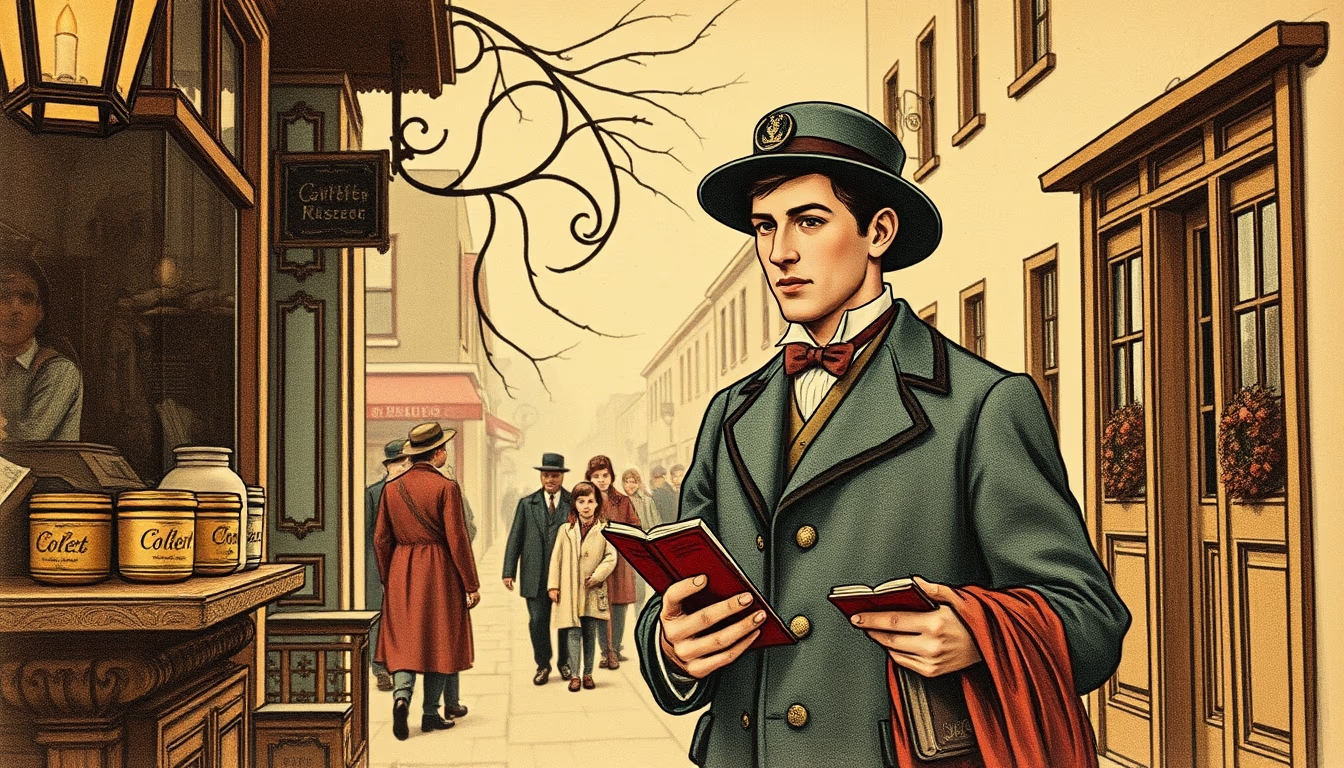
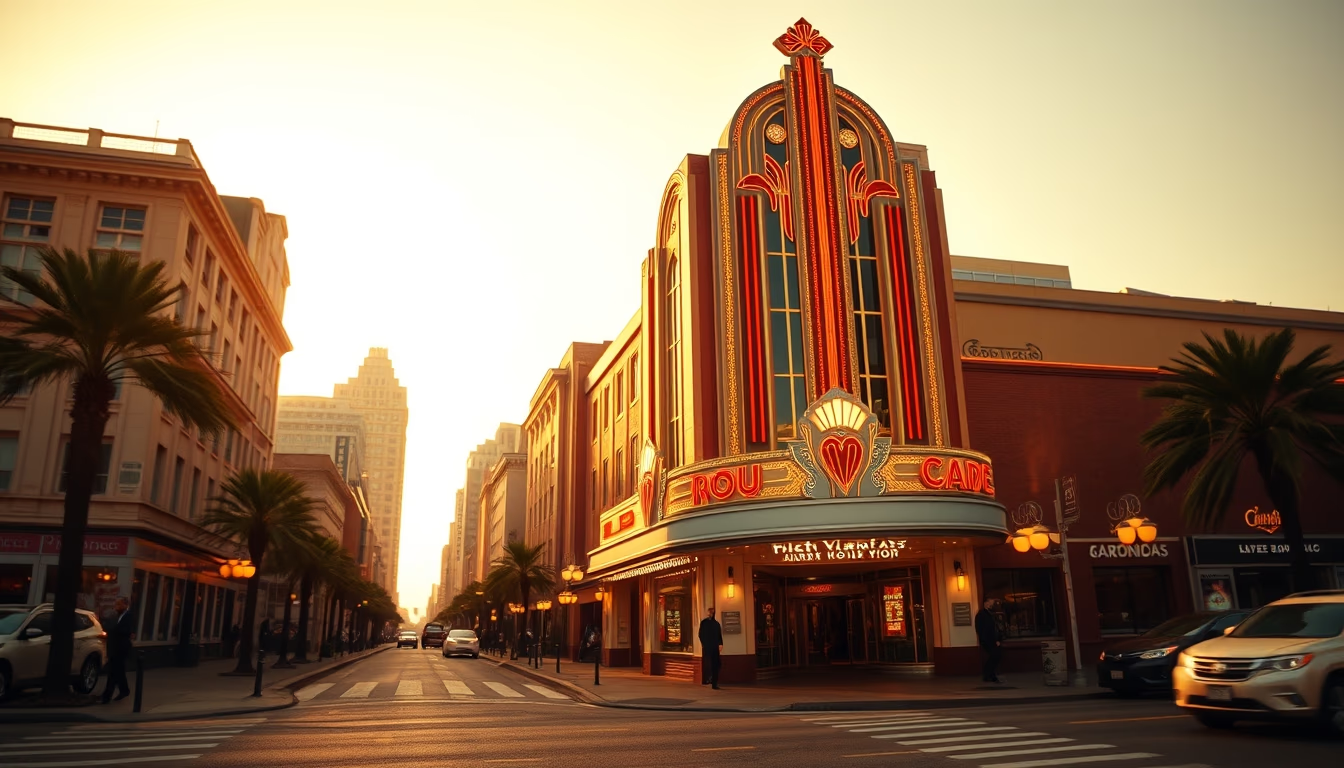
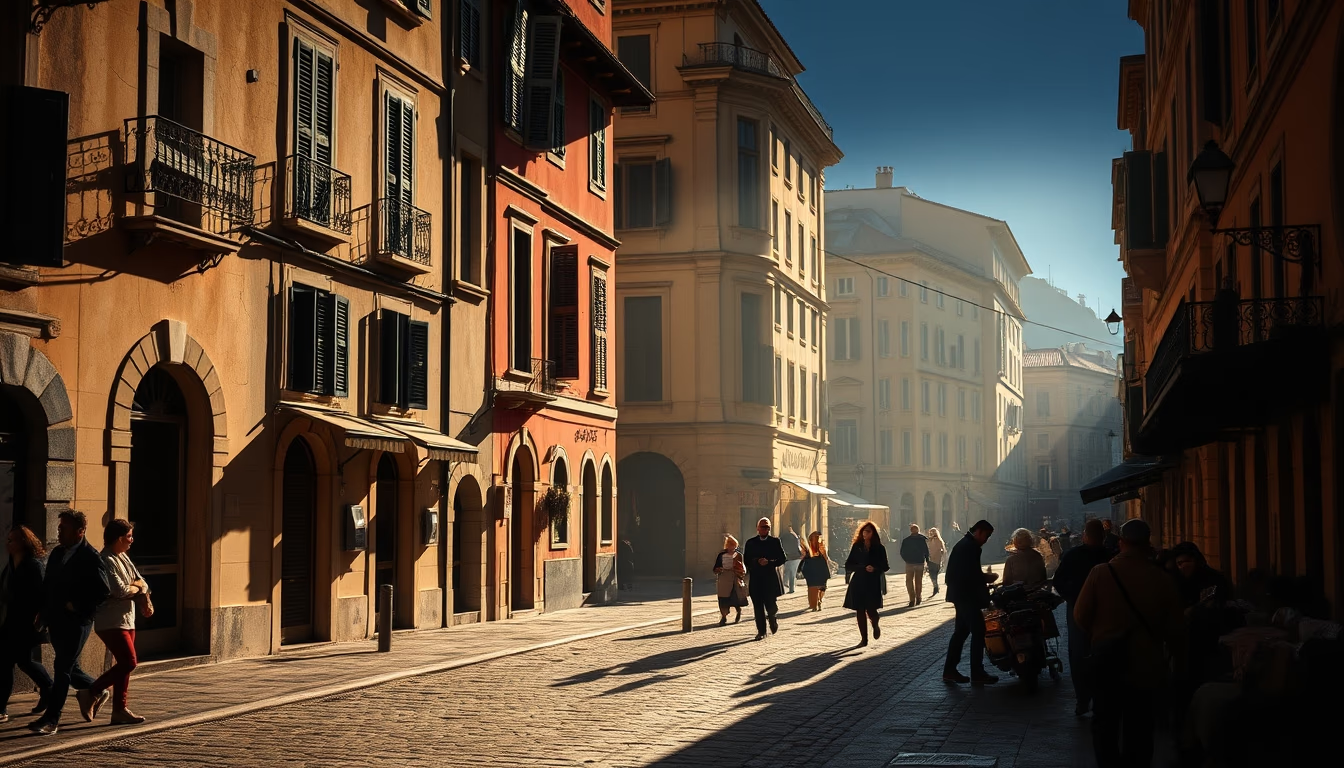
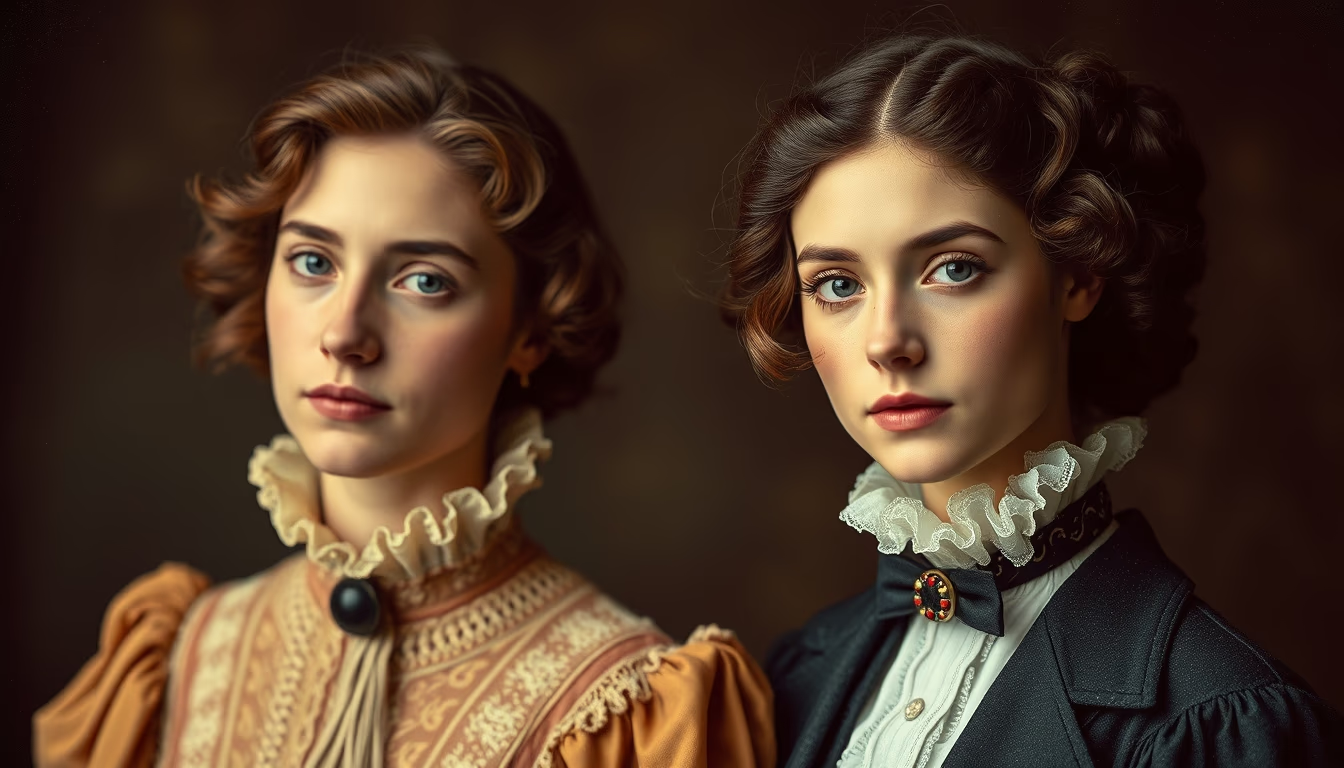
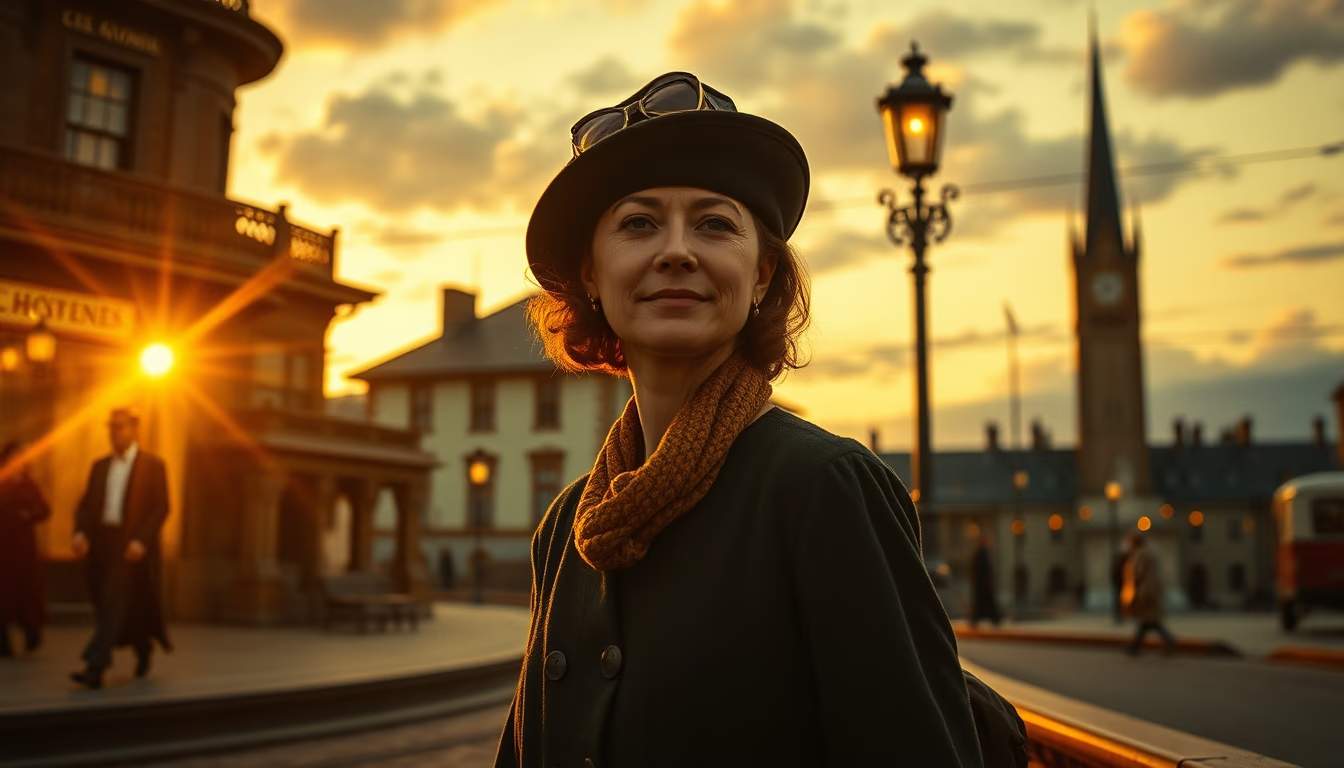
An illustrated postcard from 1900 offers a window into the visual communication and culture of the early 20th century.
About this subject
Illustrated postcards experienced their golden age between 1900 and 1910, becoming collectible items and a popular means of communication. In 1900, most postcards still had an undivided back: the sender wrote the message on the front of the image, while the address occupied the entire back. This format, known as the 'undivided back', was replaced after 1907 when the back was split into two sections, one for the message and one for the address.
The illustrations of this period ranged from urban landscapes and monuments to humorous scenes and political satire. Many were hand-colored or printed using halftone techniques, giving them an artisanal charm. In Brazil, early 20th century postcards depicted Rio de Janeiro with its trolleys and the newly opened Avenida Central, as well as images of immigrants and popular festivals. In Europe, Paris, London, and Berlin were recurring themes, often featuring photographic montages or stylized drawings.
The popularity of postcards boosted the graphic industry and tourism. Travelers sent them to relatives as souvenirs and proof of visits. They also served a social function: friends exchanged greetings and even love declarations. Collectors organized thematic albums, and publishers such as Raphael Tuck & Sons and the Detroit Publishing Company dominated the international market. Mass production made postcards affordable, sold for pennies at kiosks and bookstores.
Despite their simplicity, these cards document the fashion, architecture, and values of the Belle Époque. A postcard from 1900 is not just an image but a historical record of the visual memory and material culture of a rapidly modernizing world. Today, they are valued by historians and antique dealers, who study them to understand daily life and perceptions of national identity.
Frequently Asked Questions
How were postcards produced in the early 20th century?
They were printed using lithography or halftone, often hand-colored. Images came from photographs or original illustrations, and printing was done in large runs by specialized publishers.
Why are postcards from 1900 considered historical documents?
Because they depict daily life, architecture, fashion, and events of the era. They serve as visual sources for historians studying material culture and social perceptions of the period.
What distinguishes a 1900 postcard from a modern one?
The undivided back was the norm until 1907, so the message went on the front. Also, the illustrations had a more artisanal style, with hand-applied colors and details typical of the Belle Époque.
Direct URL
https://pub-c7d6a6ea828543ac903a74a341ccb2e1.r2.dev/imagens/illustrated-postcard-1900-film-grain-authentic-fresh8.avifHow to credit
Include a visible link back to UtilizAí. Copy one of the snippets below:
<a href="https://xn--utiliza-eza.com/en/midia/imagens/illustrated-postcard-1900-film-grain-authentic-fresh8">Illustrated postcard 1900</a> by <a href="https://xn--utiliza-eza.com">UtilizAí</a>, licensed under <a href="https://creativecommons.org/licenses/by/4.0/">CC BY 4.0</a>.
[Illustrated postcard 1900](https://xn--utiliza-eza.com/en/midia/imagens/illustrated-postcard-1900-film-grain-authentic-fresh8) by [UtilizAí](https://xn--utiliza-eza.com), CC BY 4.0
License: CC-BY-4.0