Ikebana japanese arrangement
1344×768 · AVIF · CC BY 4.0
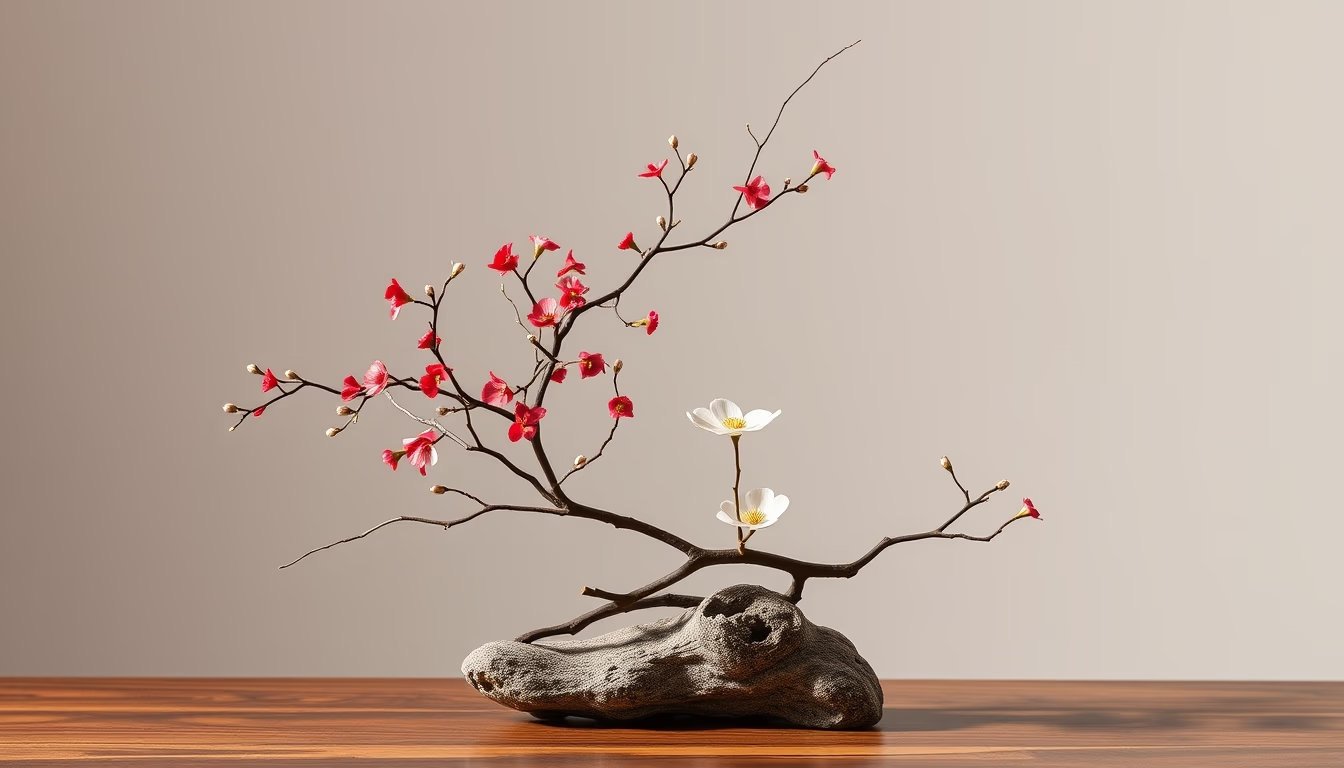
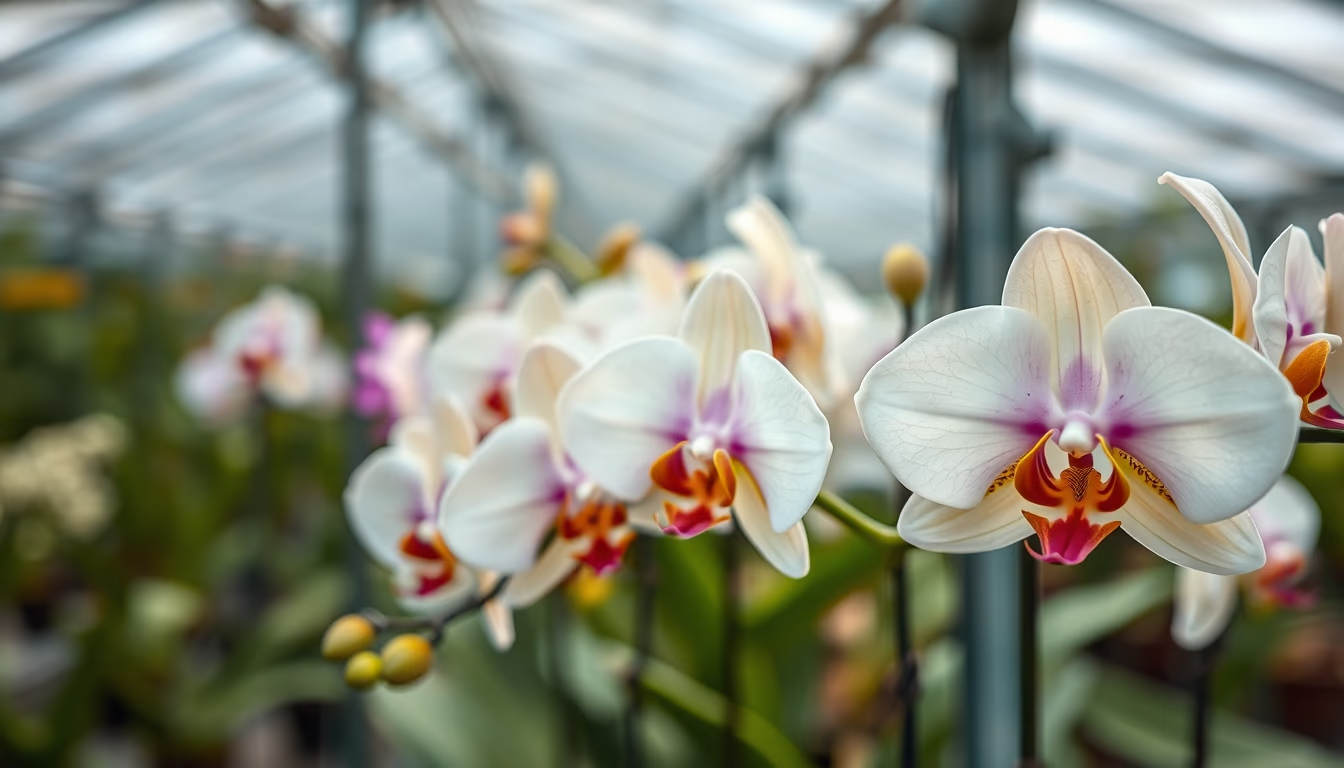
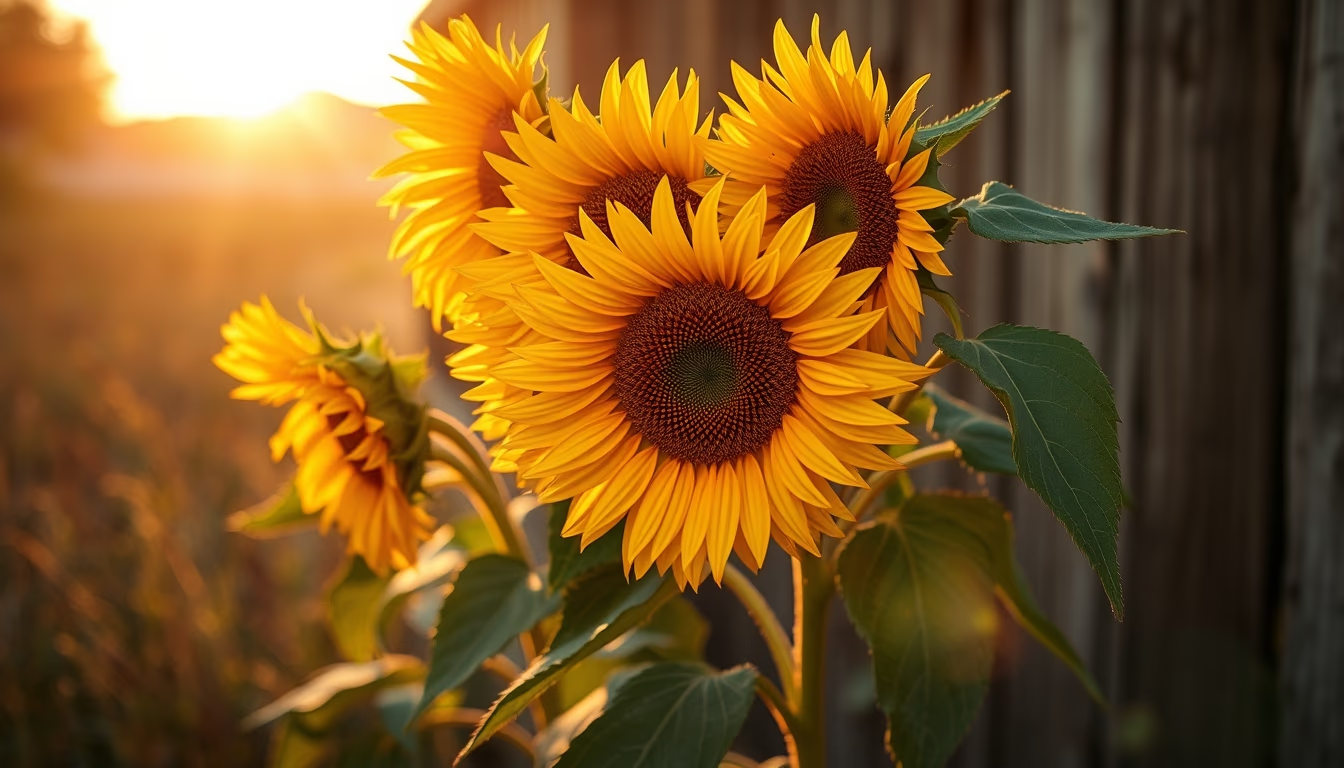
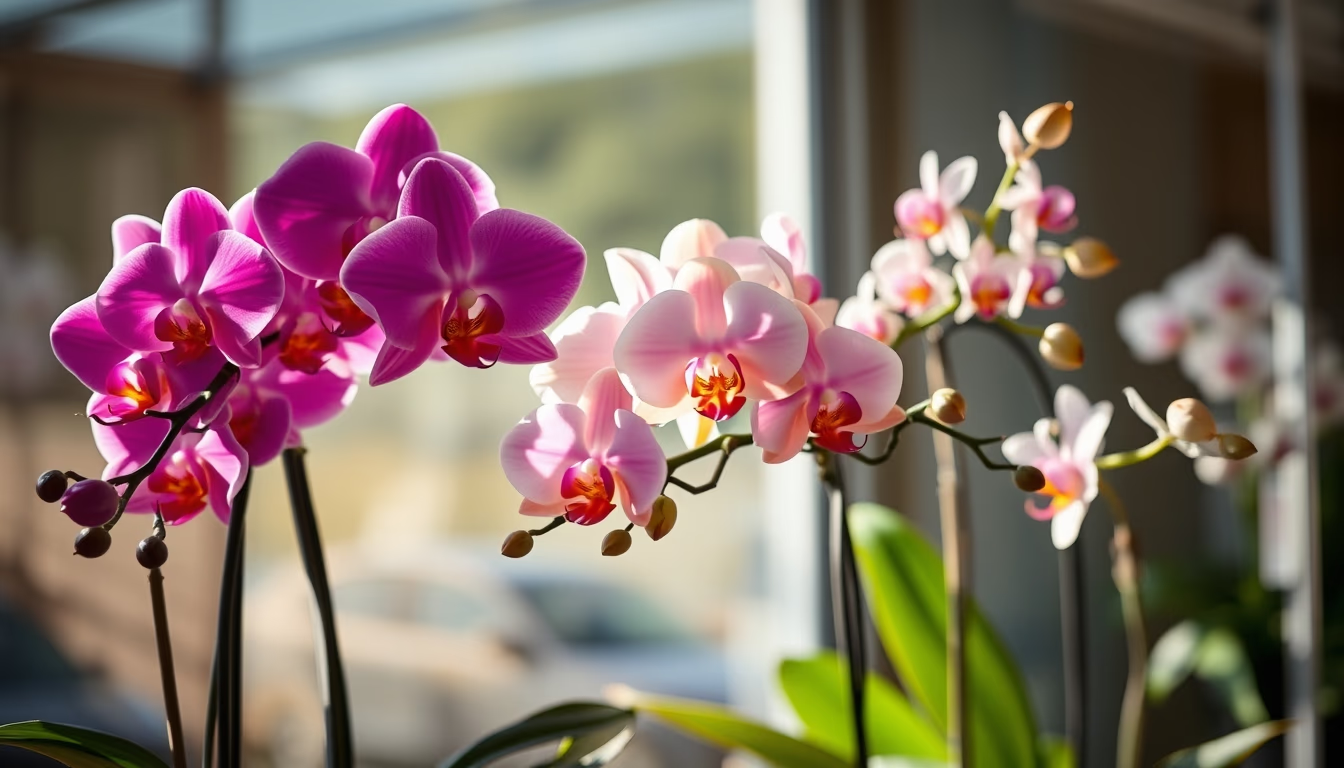
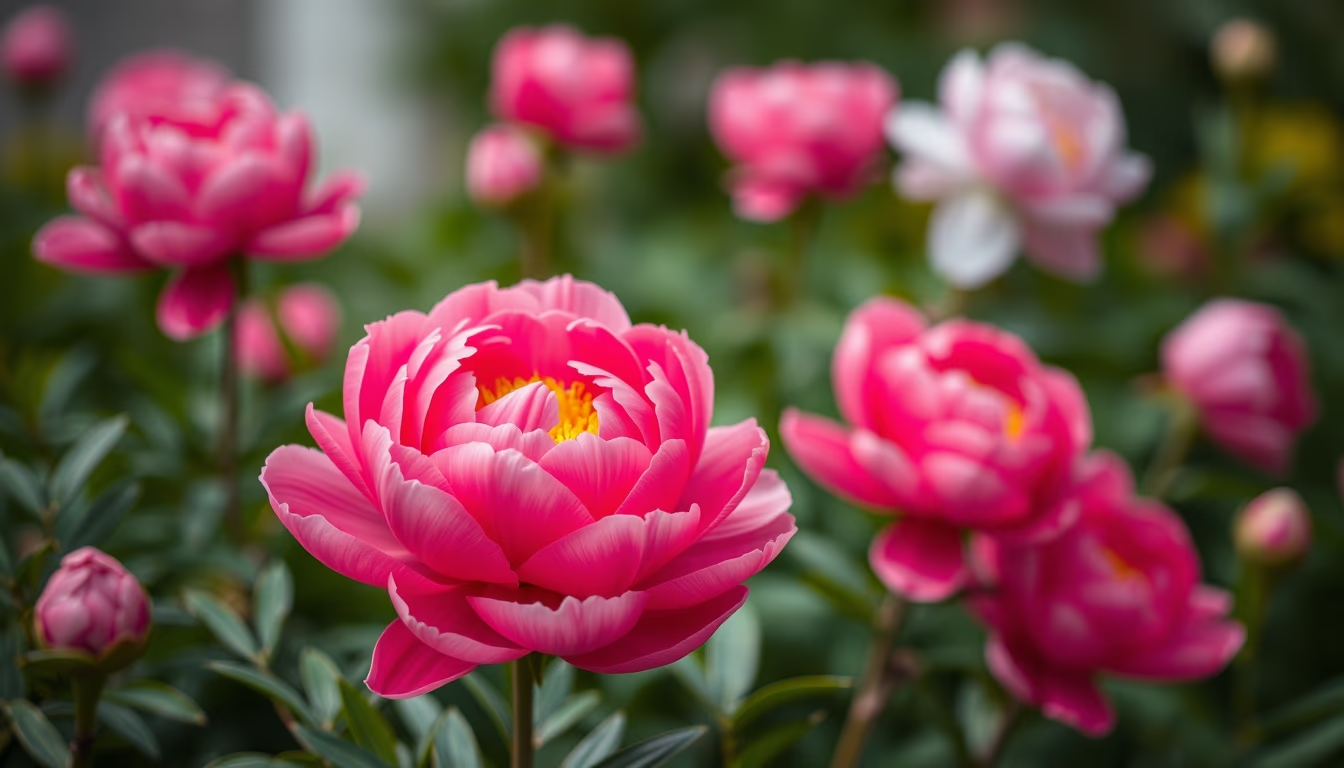
Ikebana, the Japanese art of flower arrangement, combines simplicity and symbolism in compositions that emphasize lines and empty spaces.
About this subject
Ikebana is an ancient Japanese practice that transforms flower arrangements into artistic and spiritual expressions. Originating in the 6th century, when flowers were offered at Buddhist altars, the technique evolved into a formal art form in the 15th century with the founding of the Ikenobo school. Unlike Western arrangements, which prioritize volume and vibrant colors, ikebana values asymmetry, empty space, and harmony among elements. Each stem is placed with intention, representing concepts such as heaven, earth, and humanity.
Over time, various schools emerged, each with distinct styles. The Sogetsu school, founded in the 20th century, is more modern and accessible, allowing the use of non-floral materials. The Ohara school emphasizes natural landscapes and wide containers. Compositions follow specific rules of angles and proportions but also encourage the arranger's creativity. Materials are not limited to flowers, including branches, leaves, and even fruit, all chosen for their shape and seasonal significance.
Ikebana goes beyond decoration: it is a meditative practice that teaches patience and attention to detail. In Japan, it is common in tea ceremonies and festivals, but it is also studied as an art form worldwide. The apparent simplicity hides technical and philosophical complexity, where less is more and emptiness is as important as fullness. Beginners are advised to start with the basic "hachi" (container) style and gradually explore variations like "nijūtei" (two levels).
Today, ikebana is recognized as an intangible cultural heritage of Japan and practiced by millions. International exhibitions show how the tradition adapts to contemporary contexts. Learning ikebana does not require advanced skills but rather a willingness to observe nature and find beauty in simplicity. Online and in-person courses are available in Brazil, especially at Japanese cultural centers in São Paulo and Curitiba.
Frequently Asked Questions
What is the difference between ikebana and Western flower arrangements?
Ikebana emphasizes asymmetry, lines, and empty spaces, while Western arrangements focus on volume, abundant colors, and symmetry. In ikebana, each element has symbolic meaning, and the composition reflects harmony with nature.
What are the main styles of ikebana?
Styles vary by school: Ikenobo (traditional and formal), Ohara (natural landscapes), Sogetsu (modern and creative), and others. Each has rules for proportion and angles, but all emphasize simplicity.
Can I learn ikebana in Brazil?
Yes, courses are available at Japanese cultural centers, such as in São Paulo's Liberdade district and in Curitiba. Online classes taught by certified instructors from Japanese schools are also an option.
Direct URL
https://pub-c7d6a6ea828543ac903a74a341ccb2e1.r2.dev/imagens/ikebana-japanese-arrangement-studio-still-life-fresh16.avifHow to credit
Include a visible link back to UtilizAí. Copy one of the snippets below:
<a href="https://xn--utiliza-eza.com/en/midia/imagens/ikebana-japanese-arrangement-studio-still-life-fresh16">Ikebana japanese arrangement</a> by <a href="https://xn--utiliza-eza.com">UtilizAí</a>, licensed under <a href="https://creativecommons.org/licenses/by/4.0/">CC BY 4.0</a>.
[Ikebana japanese arrangement](https://xn--utiliza-eza.com/en/midia/imagens/ikebana-japanese-arrangement-studio-still-life-fresh16) by [UtilizAí](https://xn--utiliza-eza.com), CC BY 4.0
License: CC-BY-4.0