Ikebana japanese arrangement
1344×768 · AVIF · CC BY 4.0
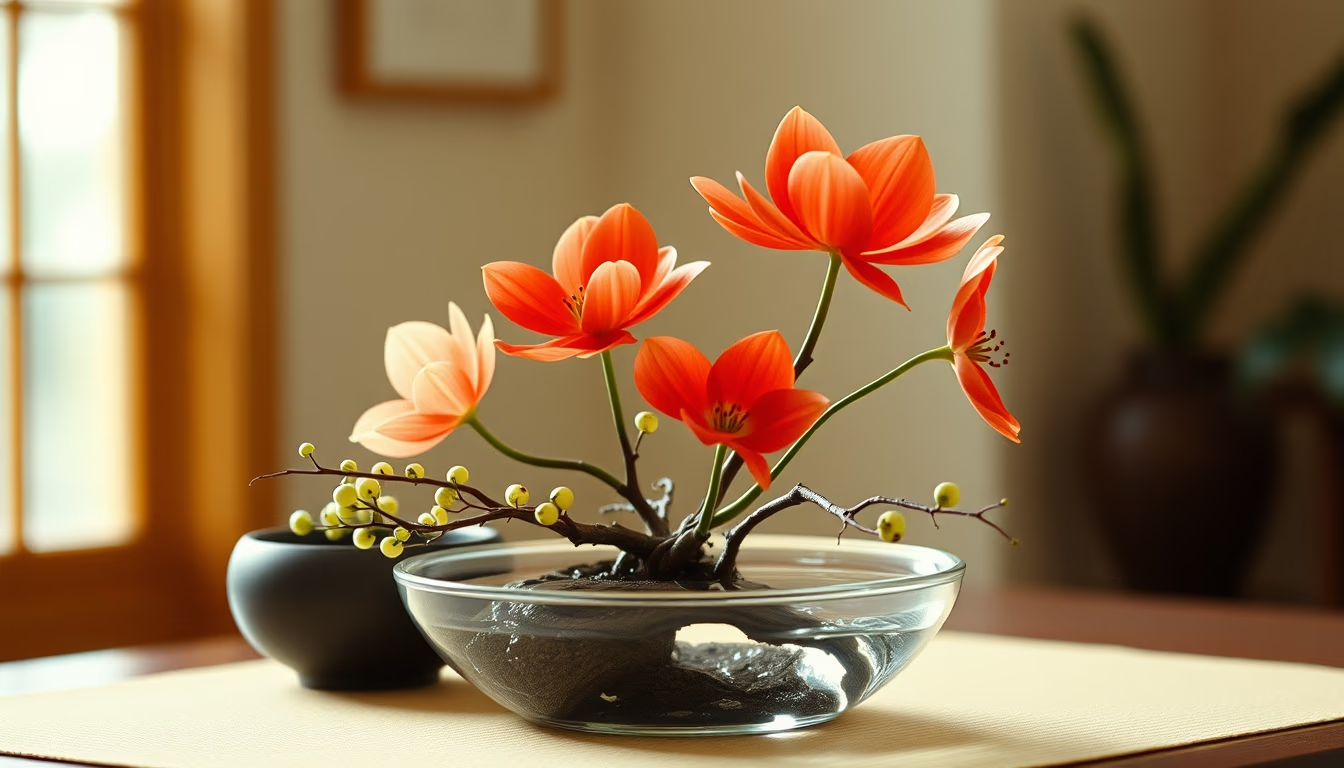
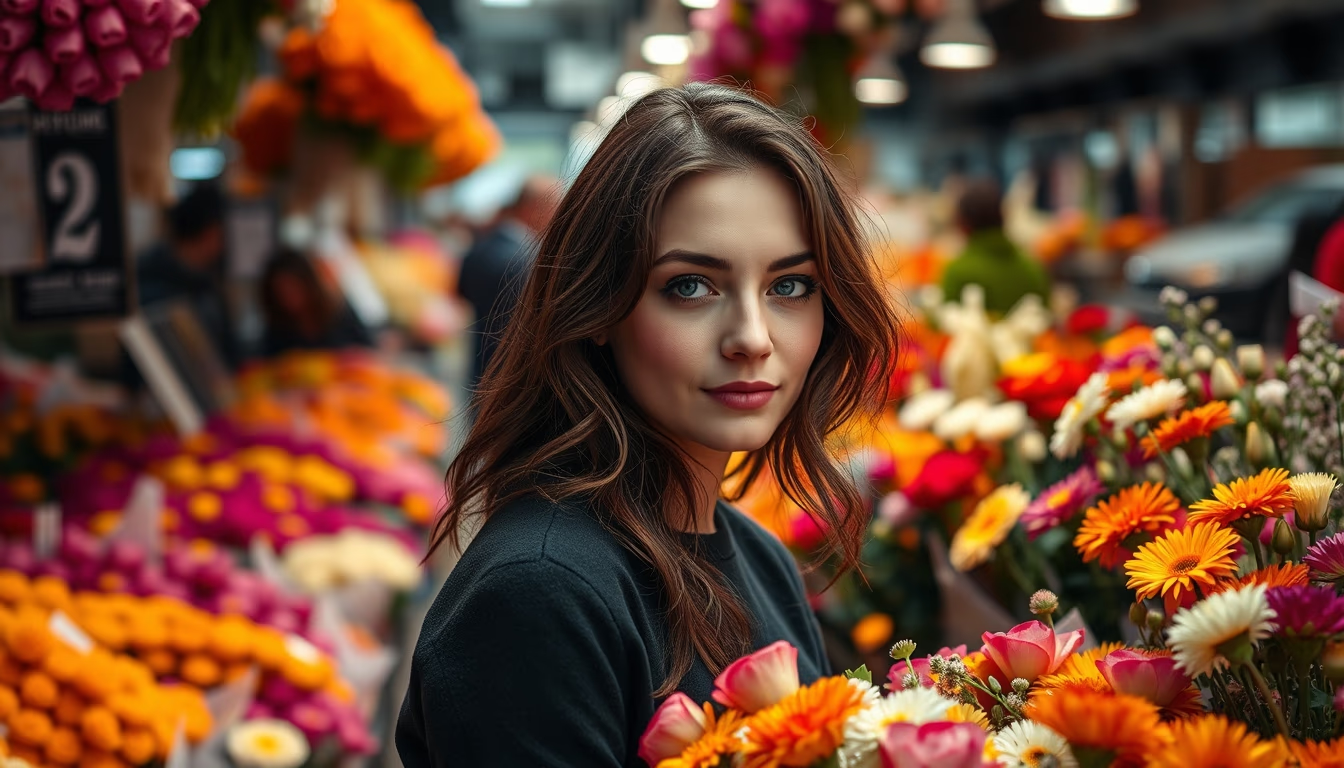
Ikebana, the Japanese art of flower arranging, harmonizes nature and spirituality in centuries-old compositions.
About this subject
Ikebana is a centuries-old Japanese practice that transcends mere floral decoration. Originating from Buddhist flower offerings in the 6th century, it evolved into a disciplined art form emphasizing simplicity, asymmetry, and the use of empty space. Unlike Western arrangements that favor abundance of color and form, Ikebana values line, texture, and stillness.
There are hundreds of schools, with Ikenobo, Sogetsu, and Ohara being the most prominent. Each has its own composition rules, but all follow fundamental principles: shin (heaven), soe (earth), and hikae (humanity), representing harmony among the three elements. Stems are cut at specific angles and arranged to create movement and depth.
Materials are not limited to flowers: dry branches, leaves, fruits, and even objects like stones and metal can be included. The choice of container is also crucial, ranging from ceramic vases, bamboo baskets, to shallow trays. The arrangement should reflect the season and the setting where it will be displayed, honoring nature's impermanence.
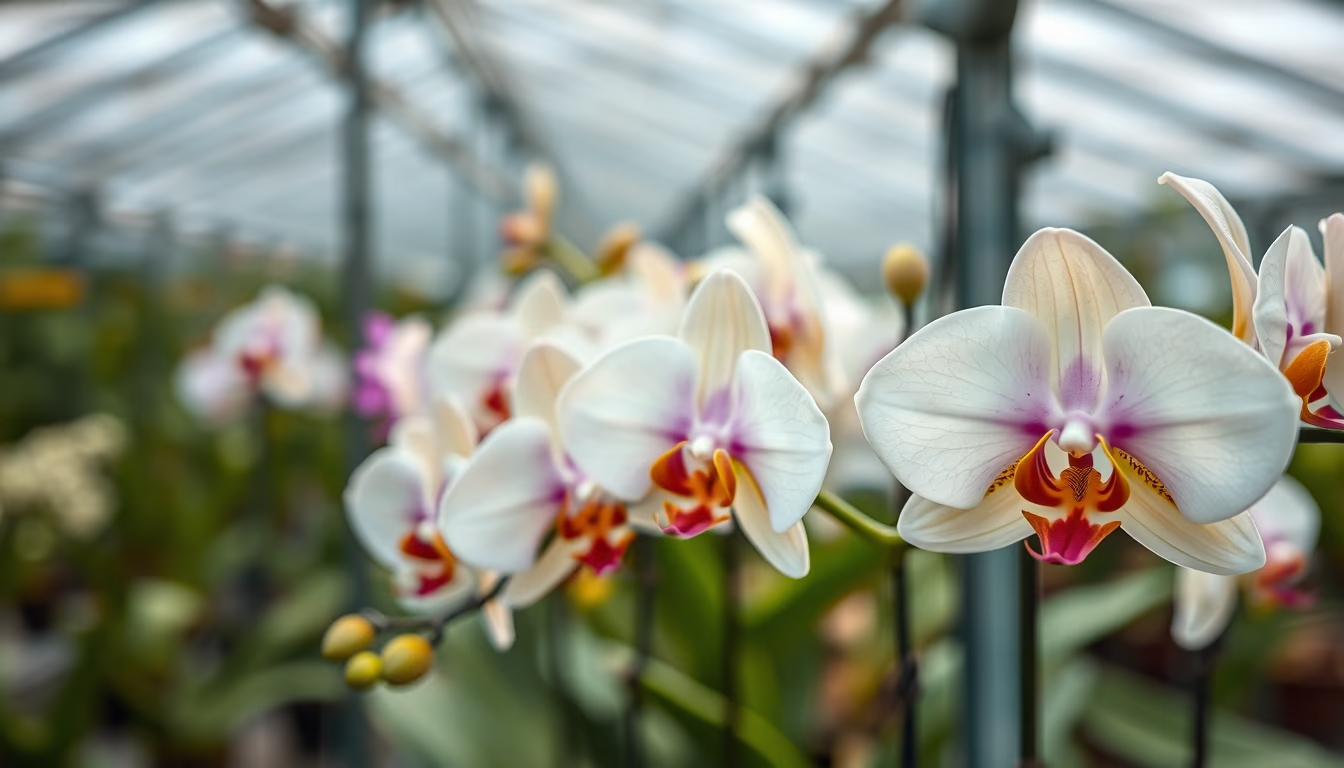
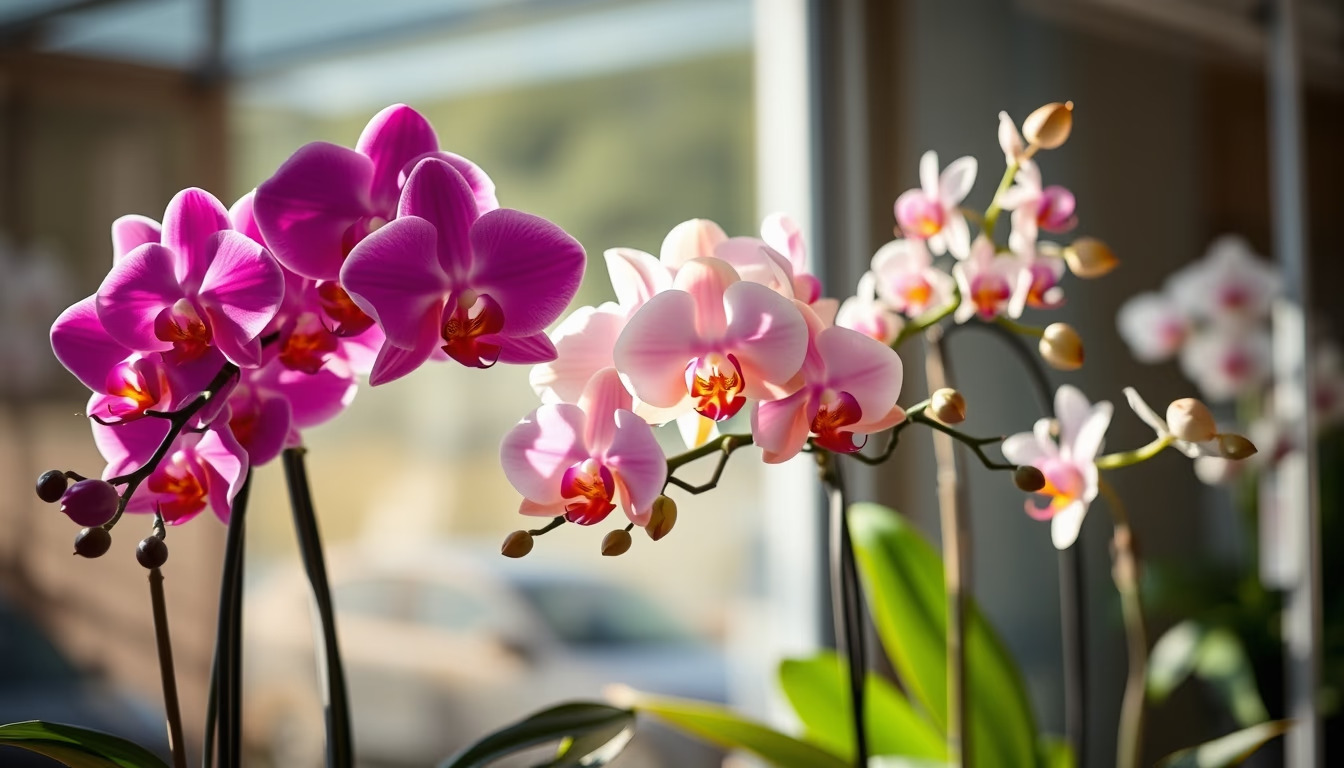
Today, Ikebana is practiced worldwide as active meditation and artistic expression. In Brazil, associations and courses spread the technique, adapting it to native flowers such as orchids and bromeliads. The meaning of each arrangement may vary, but the central goal remains the same: finding beauty in simplicity and transience.
Frequently Asked Questions
What is Ikebana?
Ikebana is the Japanese art of flower arranging, originating from Buddhist offerings, which seeks to express harmony among heaven, earth, and humanity through minimalist, seasonal compositions.
What are the basic principles of Ikebana?
Key principles include the use of three main stems (shin, soe, hikae) representing heaven, earth, and humanity, emphasis on asymmetry, empty space (ma), and choice of materials that reflect the season.
How does Ikebana differ from Western flower arrangements?
Ikebana prioritizes line, texture, and negative space, while Western arrangements often favor abundant color and symmetrical shapes. Ikebana also carries a strong spiritual and meditative component.
Direct URL
https://pub-c7d6a6ea828543ac903a74a341ccb2e1.r2.dev/imagens/ikebana-japanese-arrangement-lo-fi-disposable-camera-fresh15.avifHow to credit
Include a visible link back to UtilizAí. Copy one of the snippets below:
<a href="https://xn--utiliza-eza.com/en/midia/imagens/ikebana-japanese-arrangement-lo-fi-disposable-camera-fresh15">Ikebana japanese arrangement</a> by <a href="https://xn--utiliza-eza.com">UtilizAí</a>, licensed under <a href="https://creativecommons.org/licenses/by/4.0/">CC BY 4.0</a>.
[Ikebana japanese arrangement](https://xn--utiliza-eza.com/en/midia/imagens/ikebana-japanese-arrangement-lo-fi-disposable-camera-fresh15) by [UtilizAí](https://xn--utiliza-eza.com), CC BY 4.0
License: CC-BY-4.0