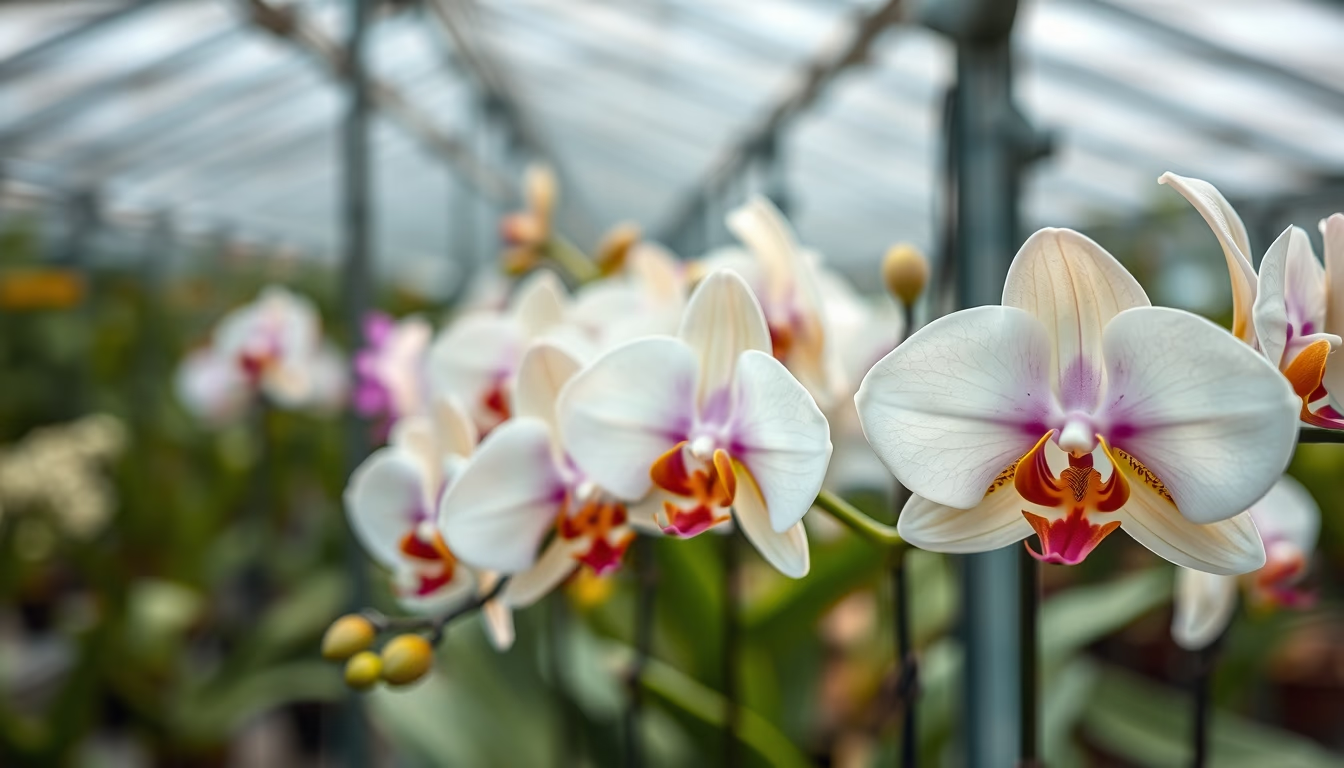
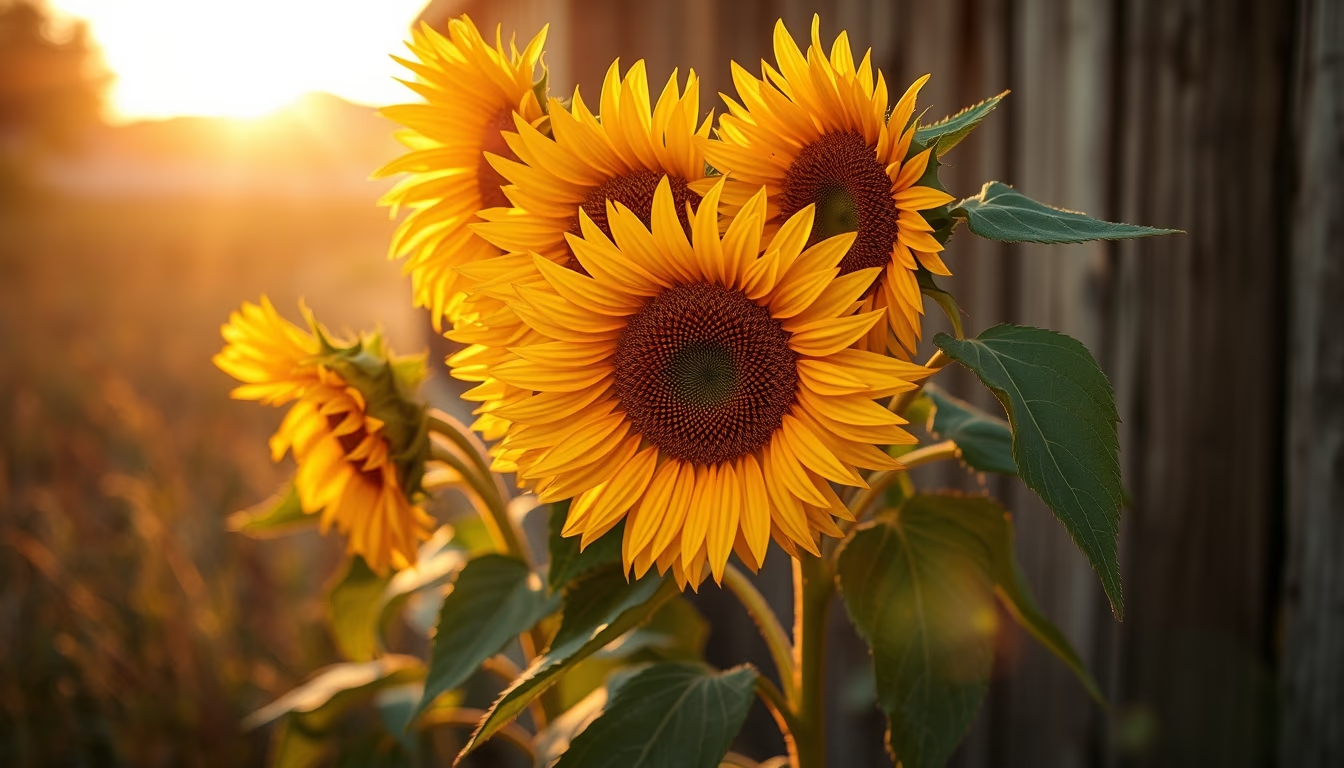
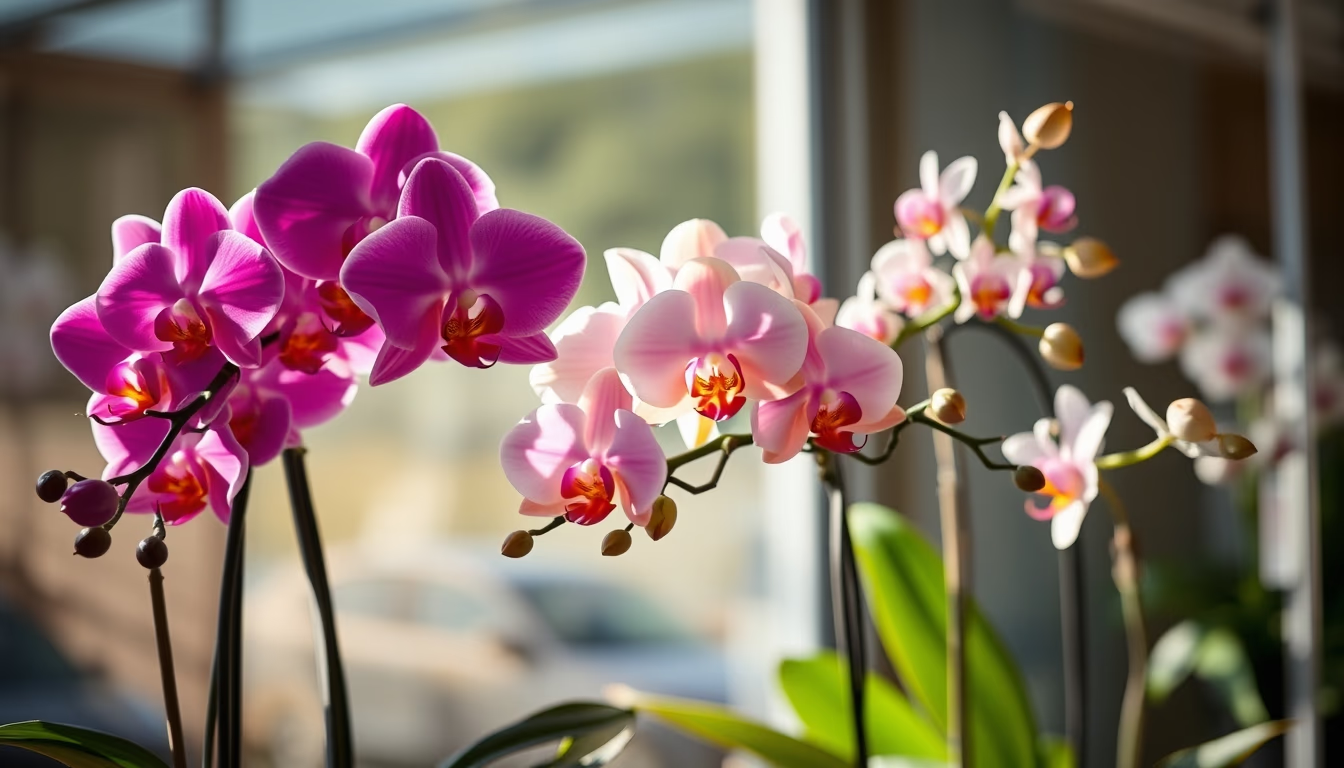
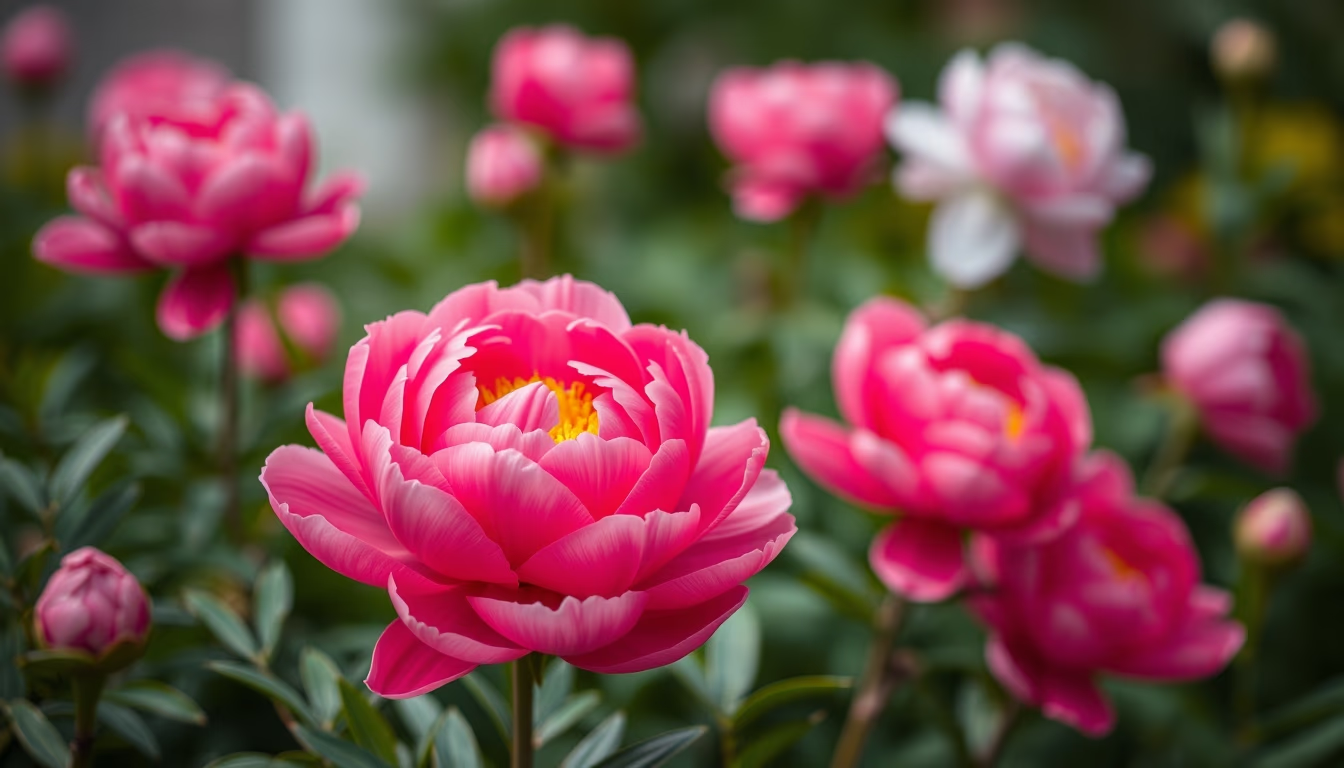
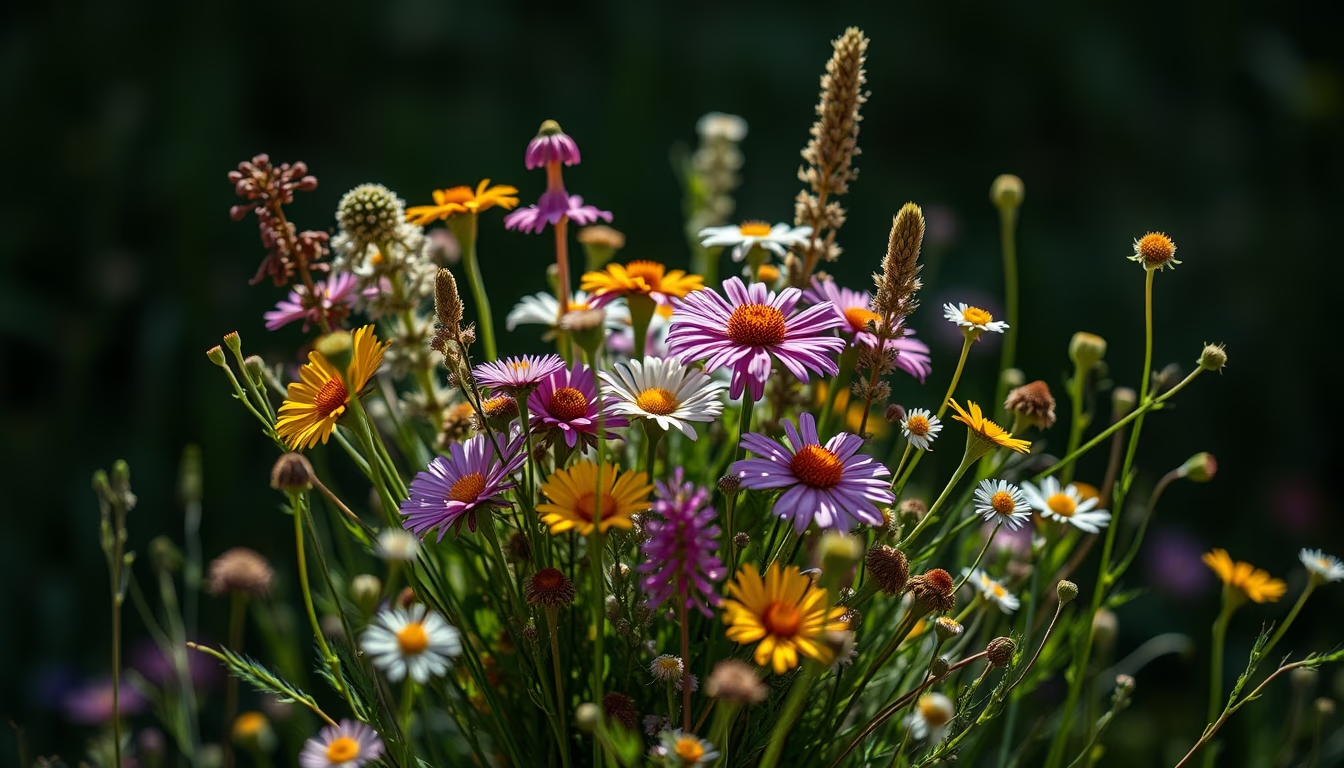
Ikebana japanese arrangement
1344×768 · AVIF · CC BY 4.0
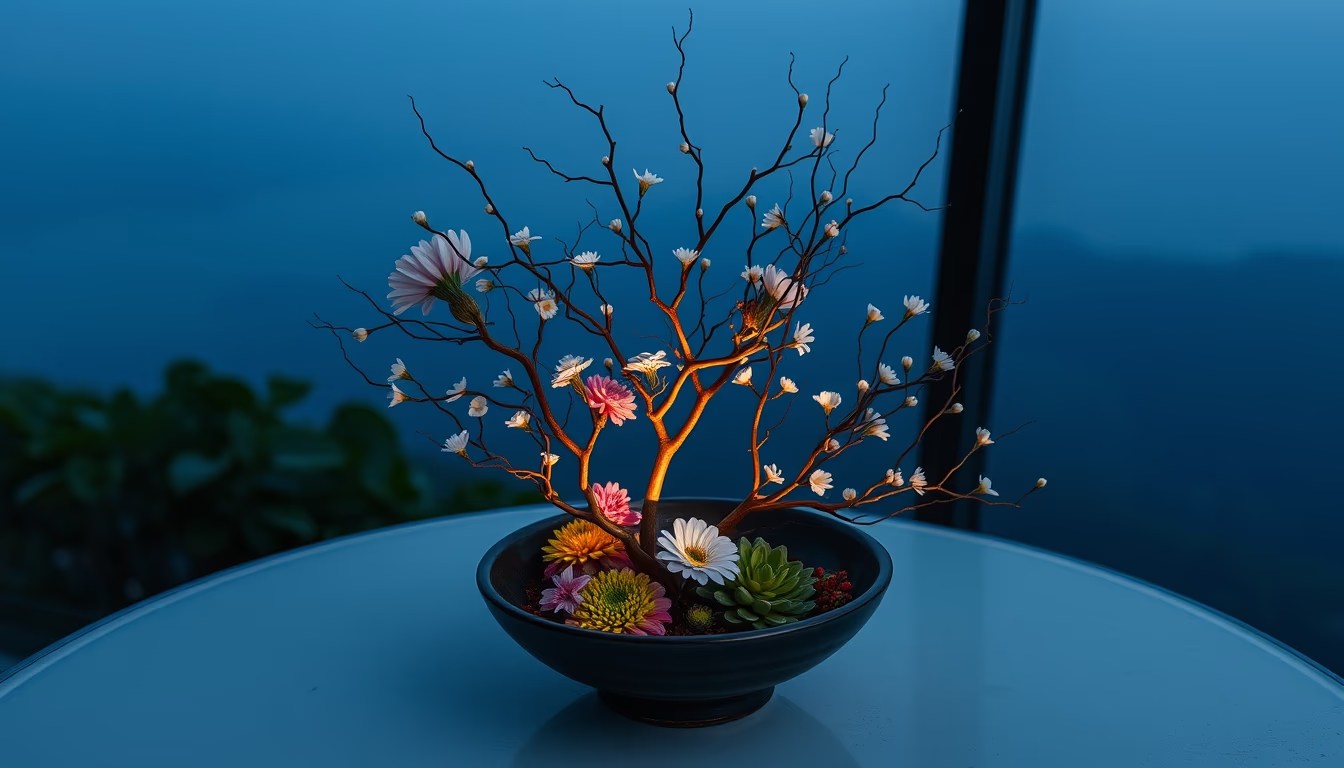
Ikebana is the Japanese art of flower arrangement, with centuries of history and unique aesthetic principles. Learn about its origin, techniques and symbolism.
About this subject
Ikebana, also known as kadō (the way of flowers), is a Japanese art that goes beyond simple flower arrangement. Its origins date back to the 6th century, when floral offerings were placed on Buddhist altars as a form of reverence. Over time, it evolved into a refined aesthetic practice, formalized by the Ikenobo school, still the oldest and most influential. Zen Buddhism deeply shaped Ikebana, emphasizing meditation, simplicity, and connection with nature.
Key principles of Ikebana include asymmetry, use of empty space (ma), and naturally flowing lines. Unlike Western arrangements that seek volume and symmetry, Ikebana values minimalist structure and balance among elements: branches, leaves, and flowers. There are several styles, such as rikka (classical vertical), shoka (modern with three main stems), and jiyubana (free creativity). Seasons dictate the choice of materials, prioritizing seasonal flowers and branches that evoke the ephemerality of life.
Culturally, Ikebana is more than decoration; it is a discipline that cultivates patience, focus, and respect for nature. In Japan, it is considered an essential skill for practitioners of tea ceremony and other traditional arts. Today, Ikebana has spread globally, with thousands of practitioners in schools like Sōgetsu and Ohara. Each arrangement reflects the author's personality and the present moment, serving as both artistic and meditative expression.
Technically, a basic Ikebana arrangement follows a three-point structure: shin (heaven, the tallest element), soe (humanity, middle), and hikae (earth, low). Stems are cut at precise angles and fixed on a kenzan (needle holder) or in vases with supports. Flower preservation involves renewed cuts and fresh water. Regular practice teaches observation of each material's shape, color, and texture, promoting mindfulness that benefits mental health.
Frequently Asked Questions
What is Ikebana?
Ikebana is the Japanese art of flower arrangement, also known as kadō. It emphasizes harmony, balance, and simplicity, going beyond mere decoration.
What are the basic principles of Ikebana?
Key principles include asymmetry, use of empty space (ma), elegant lines, and selection of seasonal materials. Each arrangement follows a three-point structure: shin, soe, and hikae.
Who can practice Ikebana?
Anyone can practice Ikebana. Schools like Ikenobo, Sōgetsu, and Ohara teach from beginner to master levels, and the practice is available worldwide.
Direct URL
https://pub-c7d6a6ea828543ac903a74a341ccb2e1.r2.dev/imagens/ikebana-japanese-arrangement-aerial-drone-shot-fresh5.avifHow to credit
Include a visible link back to UtilizAí. Copy one of the snippets below:
<a href="https://xn--utiliza-eza.com/en/midia/imagens/ikebana-japanese-arrangement-aerial-drone-shot-fresh5">Ikebana japanese arrangement</a> by <a href="https://xn--utiliza-eza.com">UtilizAí</a>, licensed under <a href="https://creativecommons.org/licenses/by/4.0/">CC BY 4.0</a>.
[Ikebana japanese arrangement](https://xn--utiliza-eza.com/en/midia/imagens/ikebana-japanese-arrangement-aerial-drone-shot-fresh5) by [UtilizAí](https://xn--utiliza-eza.com), CC BY 4.0
License: CC-BY-4.0