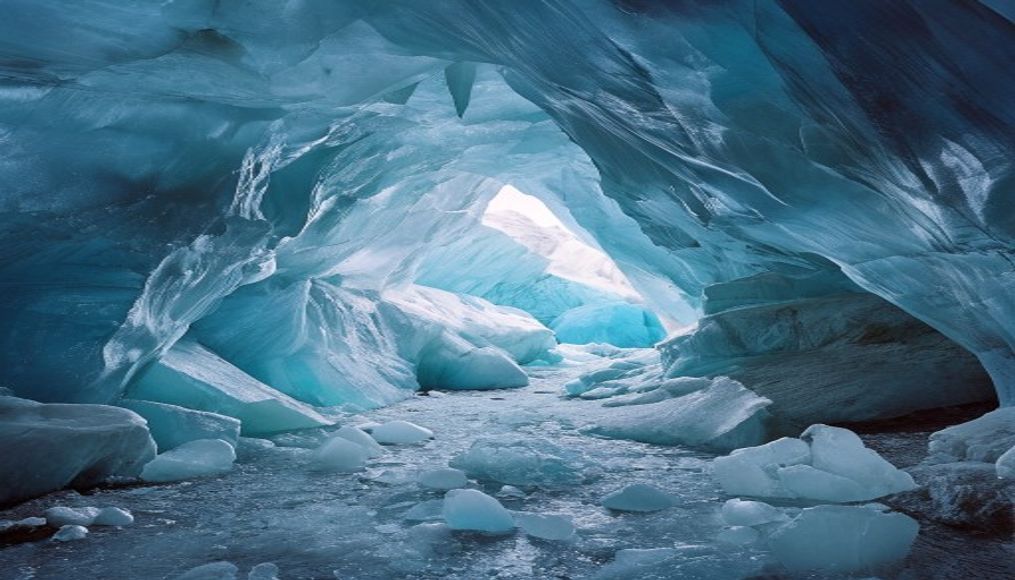
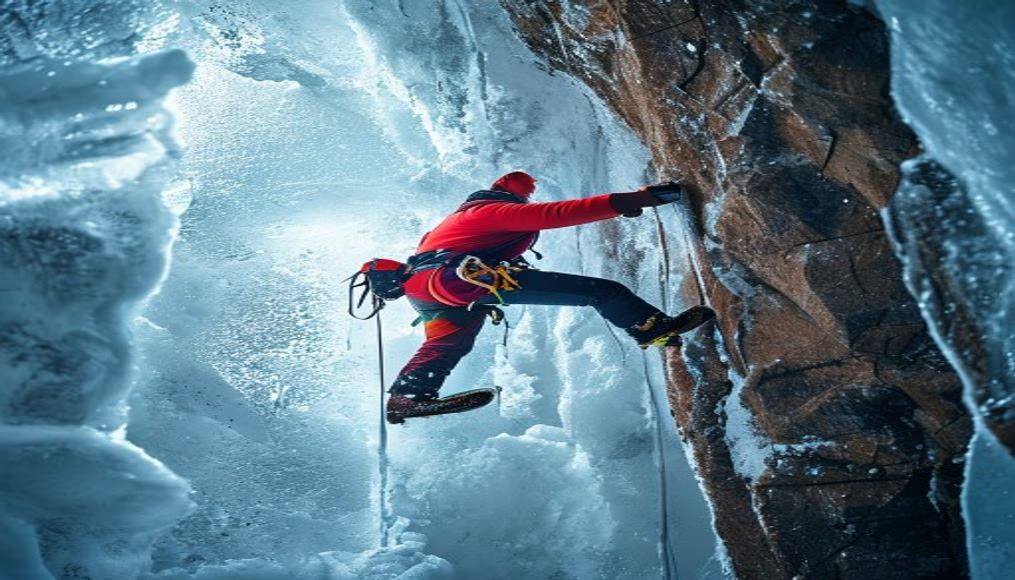
Iceberg breaking calving
1344×768 · JPG · CC BY 4.0
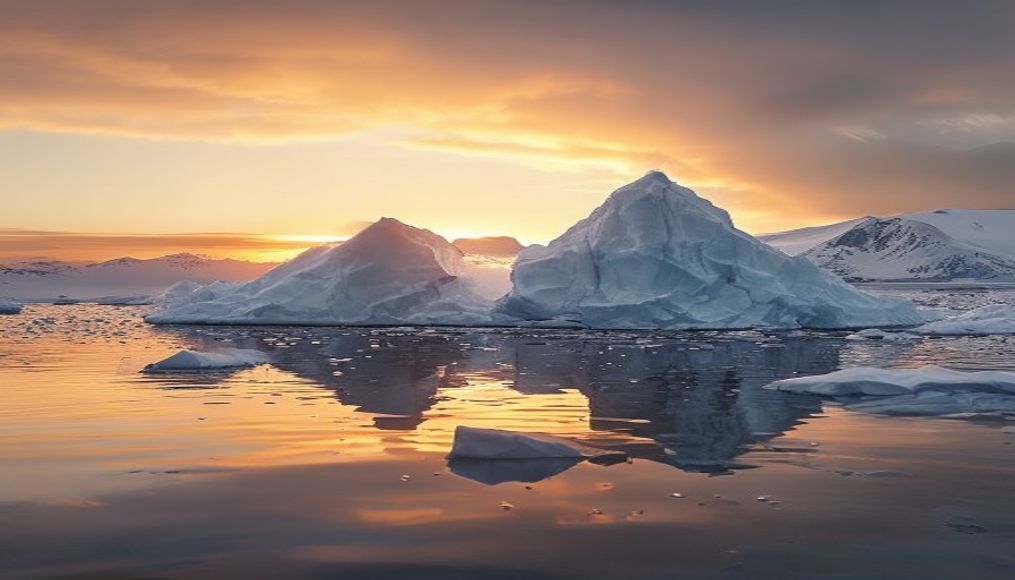
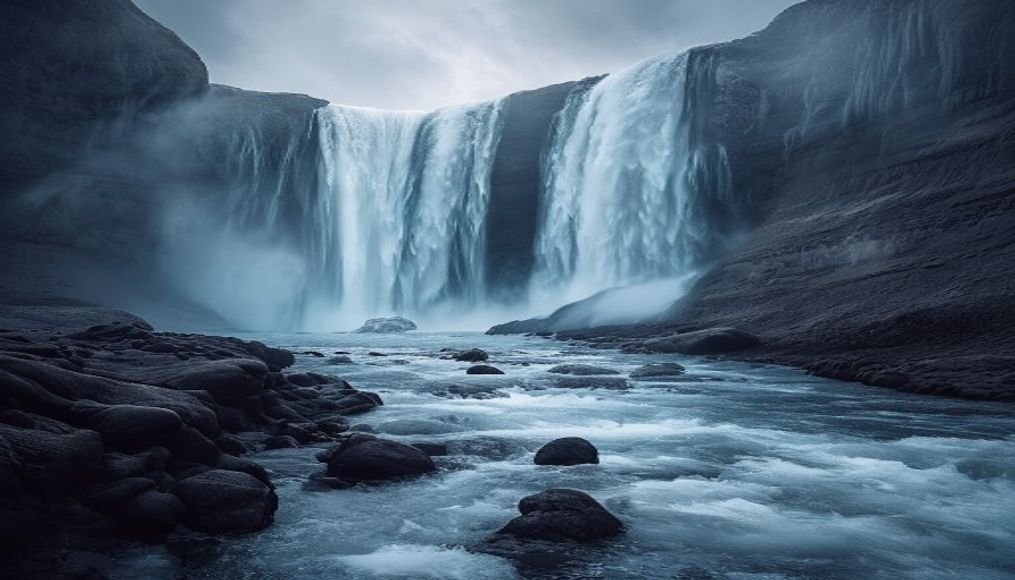
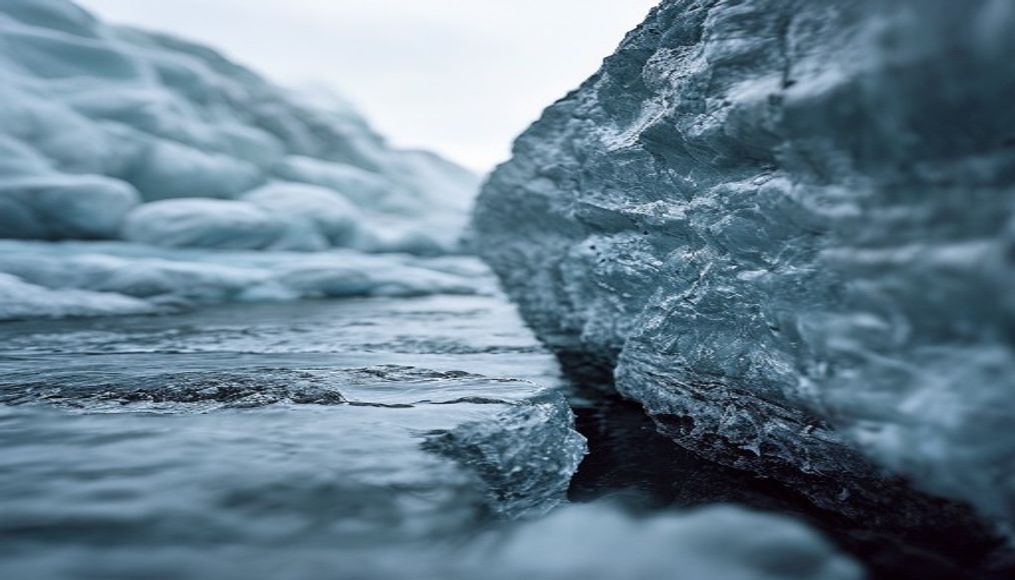
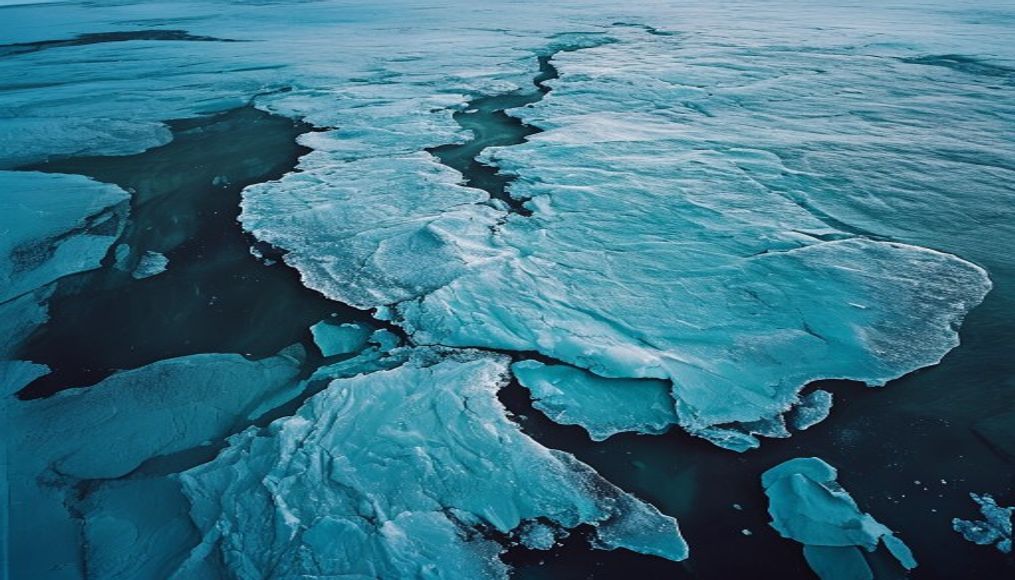
Iceberg calving is a natural process where large blocks of ice break off from glaciers, directly impacting sea level rise.
About this subject
Iceberg calving is the abrupt detachment of ice masses from the edge of a glacier or ice shelf. This process occurs when internal stresses in the ice exceed its strength, often accelerated by pre-existing fractures, basal melting, or wave action. The polar regions of Antarctica and Greenland are the main stages for calving, notably the Thwaites Glacier in West Antarctica, whose instability concerns scientists due to its potential to raise global sea levels by tens of centimeters.
A single calving event can release billions of tons of ice. In 2023, the A23a iceberg, one of the largest ever recorded, broke off from the Filchner-Ronne Ice Shelf in Antarctica, covering an area of over 4,000 km². The process is not only visually spectacular but also acoustically intense; the sound of detachment can be detected by hydrophones hundreds of kilometers away, allowing researchers to monitor the frequency and magnitude of events.
Calving frequency is strongly linked to climate change. Rising air and ocean temperatures weaken ice shelves, accelerating the process. Studying calving is crucial for sea level rise projection models, which directly affect coastal communities worldwide, including in Brazil. Cities like Rio de Janeiro and Recife already face more intense coastal erosion and storm surges, indirect consequences of polar melting.
Beyond global impact, calving also influences local ecosystems. The release of icebergs alters water salinity and temperature, affecting marine life such as phytoplankton and krill, the base of the Antarctic food web. The interaction between ocean waves and ice, as referenced in the image tags, accelerates the fragmentation of drifting icebergs, spreading nutrients across the oceans.
Frequently Asked Questions
What causes iceberg calving?
Calving occurs when internal stresses in the ice exceed its strength, often worsened by fractures, basal melting, or wave action. Climate change accelerates the process by warming air and water.
How does calving affect sea level?
Calving transfers land ice into the ocean, directly contributing to sea level rise. About half of Antarctica's ice shelf mass loss is due to calving.
Where do the largest calving events occur?
The largest events occur in Antarctica and Greenland. Notable examples include Thwaites Glacier and the Filchner-Ronne Ice Shelf, which produced giant icebergs like A23a.
Direct URL
https://pub-c7d6a6ea828543ac903a74a341ccb2e1.r2.dev/imagens/iceberg-breaking-calving-cinematic-wide-shot-p4.jpgHow to credit
Include a visible link back to UtilizAí. Copy one of the snippets below:
<a href="https://xn--utiliza-eza.com/en/midia/imagens/iceberg-breaking-calving-cinematic-wide-shot-p4">Iceberg breaking calving</a> by <a href="https://xn--utiliza-eza.com">UtilizAí</a>, licensed under <a href="https://creativecommons.org/licenses/by/4.0/">CC BY 4.0</a>.
[Iceberg breaking calving](https://xn--utiliza-eza.com/en/midia/imagens/iceberg-breaking-calving-cinematic-wide-shot-p4) by [UtilizAí](https://xn--utiliza-eza.com), CC BY 4.0
License: CC-BY-4.0