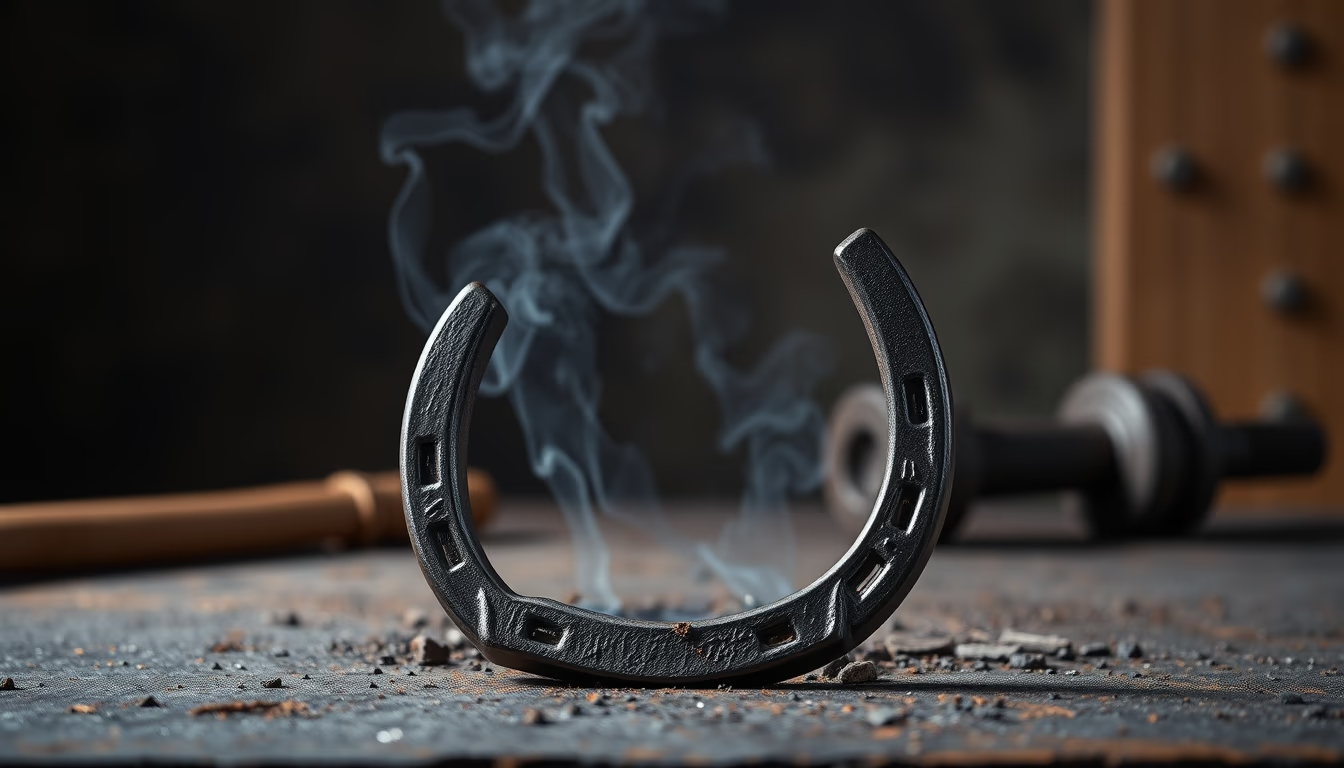
Horseshoe iron forge
1344×768 · AVIF · CC BY 4.0
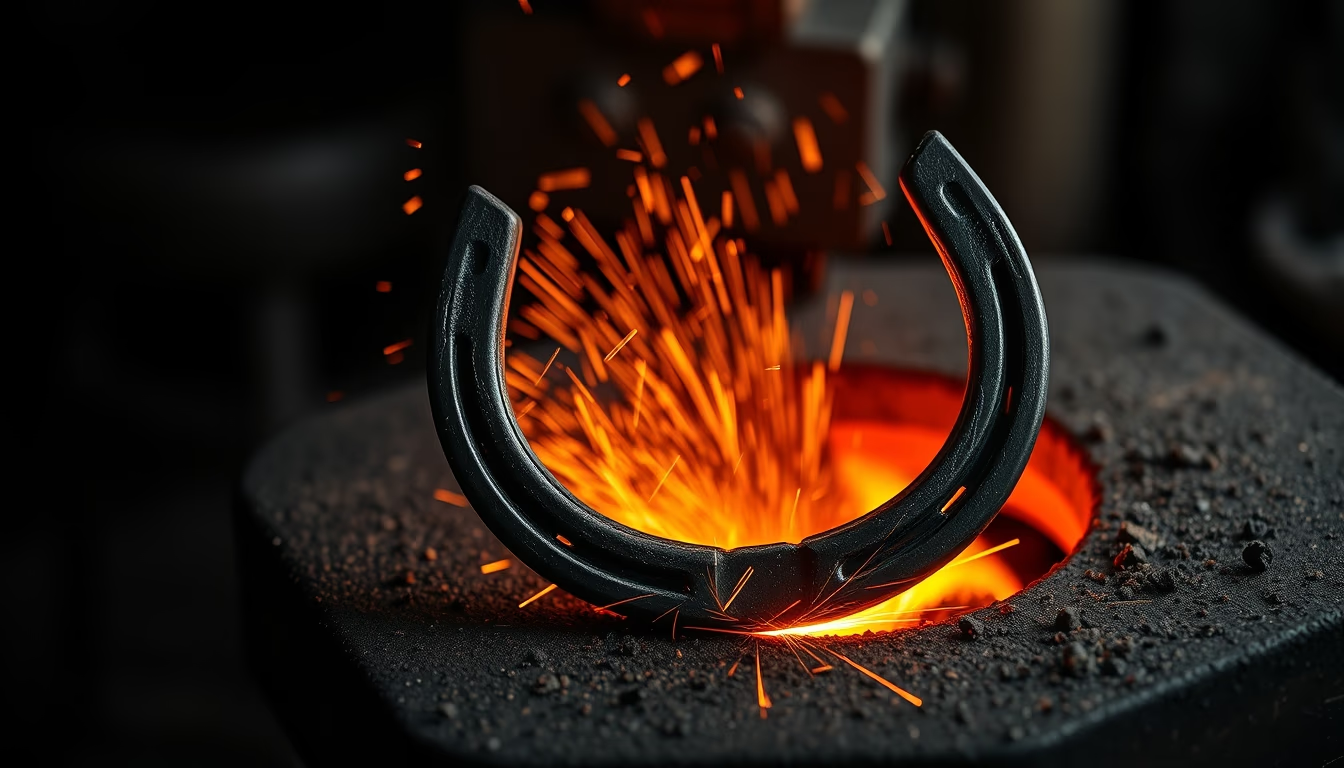
The horseshoe forge is the heart of handcrafted farriery, where iron is shaped under the blacksmith's hammer.
About this subject
The horseshoe forge, also known as a farrier's forge, is an essential tool in the art of shoeing horses. Traditionally, it consists of an anvil, a bellows or blower, and a hearth where coal or coke is burned to reach temperatures high enough to soften the metal. The process of forging a horseshoe requires skill and knowledge of steel behavior, with ideal temperatures between 900°C and 1200°C, when the iron turns a reddish-orange color. The farrier uses hammers and tongs to shape the metal bar, creating holes for nails and the correct curvature to fit the horse's hoof.
Historically, the horseshoe dates back to Roman times, but it was during the Middle Ages that the profession of horse farrier became a specialized craft. In Europe, blacksmith guilds guarded the knowledge and techniques of forging, passed from master to apprentice. In Brazil, with the arrival of colonizers, horseshoes became indispensable for riding and animal traction, especially in rocky soil regions. Even today, in rural areas and equestrian centers, manual forging is valued because it allows precise and customized adjustments for each horse.
Modern forges may use gas or electricity, but the traditional coal forge is still preferred by many professional farriers because it allows finer heat control. The foot-operated bellows regulate the flame and prevent overheating. A skilled farrier can assess the horse's hoof, the type of activity (racing, jumping, work), and weather conditions to forge a shoe that meets specific needs. This practical knowledge, combined with the art of shaping metal, makes the horseshoe an example of ancient technology that remains relevant.
Besides its functional aspect, the horseshoe has strong cultural symbolism. In many cultures, worn horseshoes are believed to bring good luck and protection against the evil eye. In Brazilian folklore, hanging a horseshoe over the front door is common practice, usually with the ends pointing up so that luck does not spill out. This symbolic value, added to the economic and sporting importance of the horse, keeps the art of forging horseshoes alive.
Frequently Asked Questions
What is the ideal temperature for forging a horseshoe?
The ideal temperature is between 900°C and 1200°C, when the iron appears reddish-orange. At this point, the metal is malleable without losing structure.
Are coal forges still used for horseshoes?
Yes, many professional farriers prefer coal forges because they allow precise heat control without overheating the metal, which is crucial for fine adjustments.
What is the historical origin of the horseshoe?
The horseshoe originated in the Roman Empire, but it was during the Middle Ages that the farrier profession became specialized, with guilds passing down techniques.
Direct URL
https://pub-c7d6a6ea828543ac903a74a341ccb2e1.r2.dev/imagens/horseshoe-iron-forge-magazine-editorial-fresh11.avifHow to credit
Include a visible link back to UtilizAí. Copy one of the snippets below:
<a href="https://xn--utiliza-eza.com/en/midia/imagens/horseshoe-iron-forge-magazine-editorial-fresh11">Horseshoe iron forge</a> by <a href="https://xn--utiliza-eza.com">UtilizAí</a>, licensed under <a href="https://creativecommons.org/licenses/by/4.0/">CC BY 4.0</a>.
[Horseshoe iron forge](https://xn--utiliza-eza.com/en/midia/imagens/horseshoe-iron-forge-magazine-editorial-fresh11) by [UtilizAí](https://xn--utiliza-eza.com), CC BY 4.0
License: CC-BY-4.0