Horseshoe iron forge
1344×768 · AVIF · CC BY 4.0
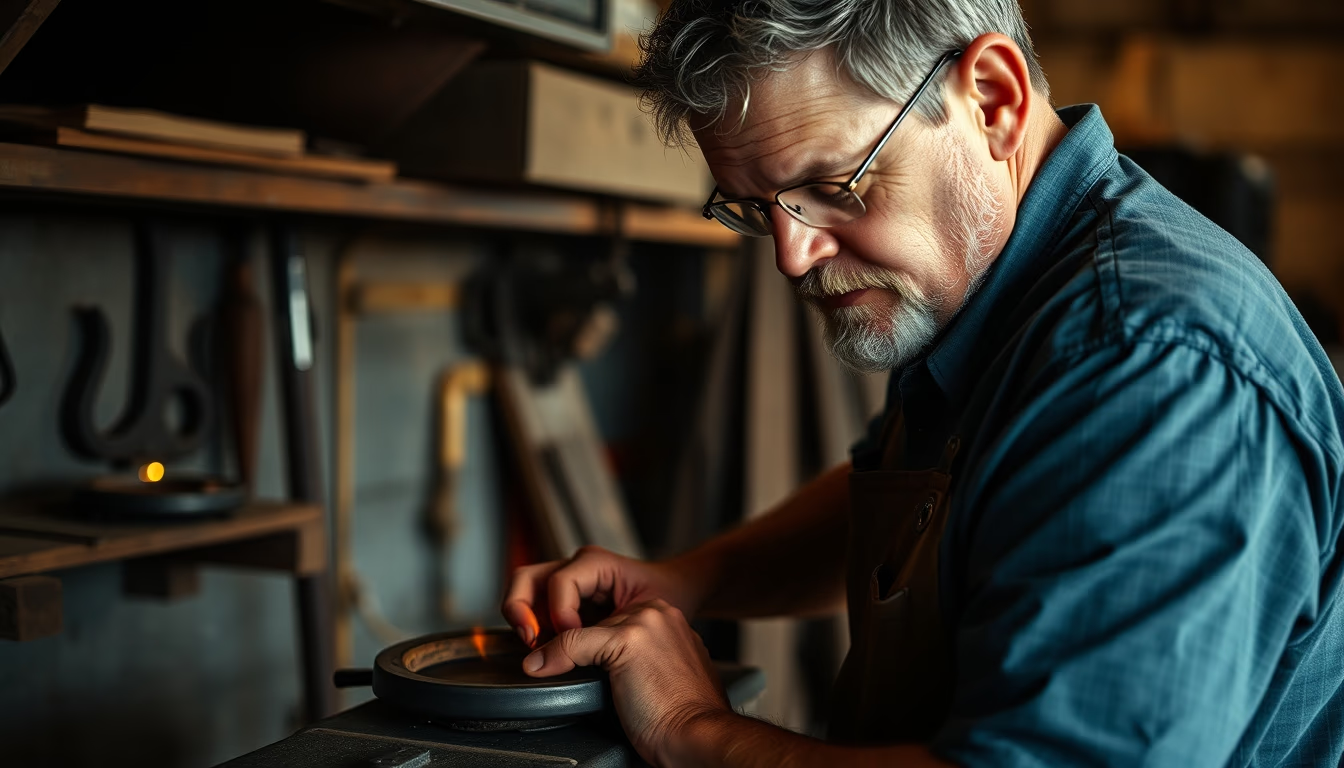
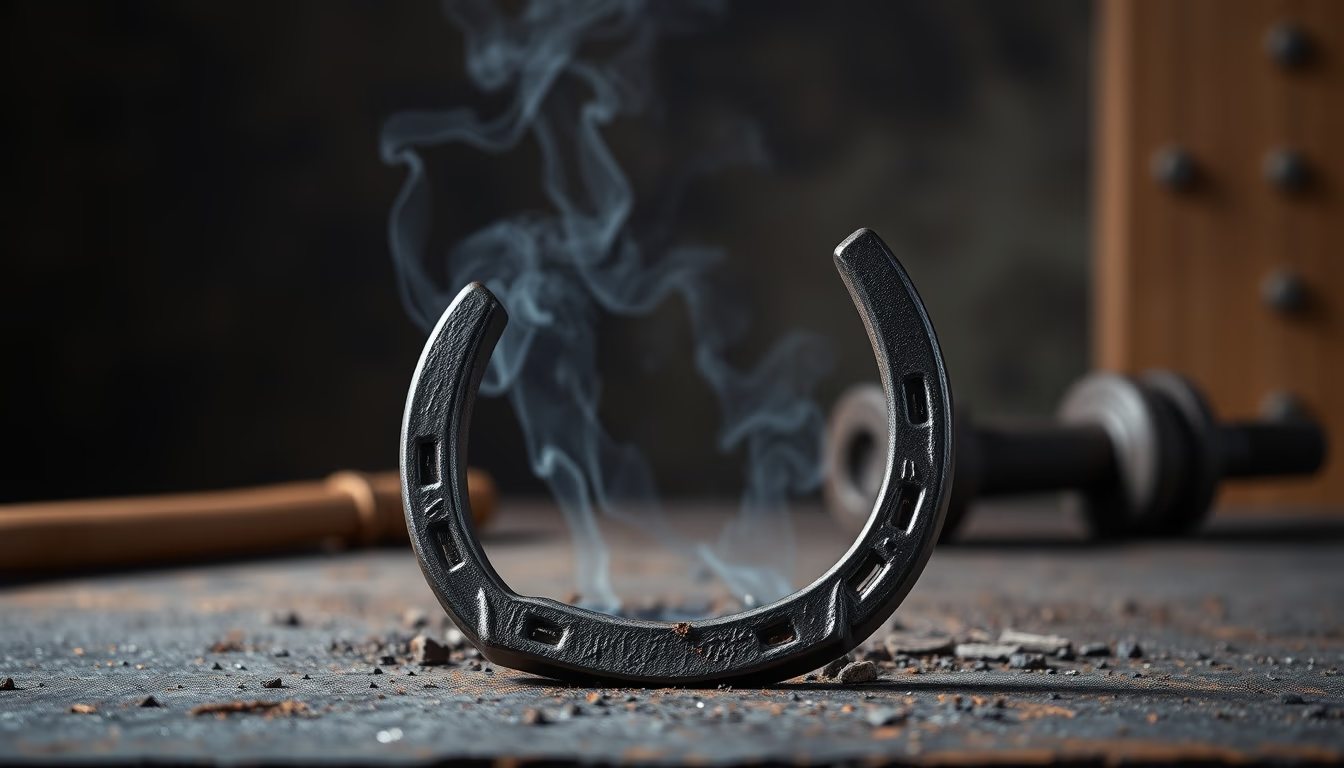
Horseshoe iron forge: a centuries-old tradition in equine farriery, combining technique and durability in shoeing horses.
About this subject
The horseshoe iron forge is an ancient craft dating back to antiquity, when the first blacksmiths began shaping metal to protect horses' hooves. In medieval Europe, the farrier (specialized blacksmith) became essential in rural communities and armies, as well-shod horses ensured mobility and durability on rocky or muddy terrain. The process involves heating an iron bar on the anvil until glowing, then hammering it into the iconic U-shape with holes for nails. Temperature control is critical: iron too hot loses strength; too cold won't shape. After forging, the shoe is tempered in water or oil to increase hardness.
Farriery is not limited to manufacturing: the farrier adjusts the shoe to each animal's hoof, considering conformation, work type (riding, competition, draft) and terrain. In Brazil, the tradition arrived with Portuguese colonizers and consolidated in the countryside, where cattle ranches and rides require durable shoes. Today, in regions like the Pantanal and Rio Grande do Sul, blacksmiths still practice the craft, although industrial steel or aluminum shoes are common. Yet artisan forging offers advantages: customized fit and the ability to use recycled steel, such as truck springs.
Each riding type demands a specific shoe design. Jumping horses need lighter shoes; trotting horses, models with non-slip studs; draft animals, thicker shoes with high heels. Artisan forging also allows creation of orthopedic shoes for problematic hooves. The sound of hammer on anvil and the smell of hot iron are hallmarks of this environment, which today attracts both traditional riders and heritage enthusiasts.
Despite mechanization, blacksmiths' empirical knowledge remains relevant. Farriery courses teach not only forging but also trimming and nailing without damaging the hoof. Tuscan farriery, for example, is recognized as intangible heritage by UNESCO in some Italian regions. In Brazil, the horseshoe forge is still celebrated in gaucho festivals and blacksmith competitions.
Frequently Asked Questions
What is the difference between a hand-forged horseshoe and an industrial one?
A hand-forged horseshoe is individually shaped to the horse's hoof, allowing precise adjustments according to anatomy and use. An industrial shoe is standardized and may require filing or clinching adjustments. Forging also allows recycled steel and specific quenching techniques.
How long does it take to forge an iron horseshoe?
An experienced blacksmith takes 15 to 30 minutes to forge one horseshoe, including heating, hammering, punching holes, and tempering. The total time depends on design complexity and forge temperature.
Is shoeing painful for the horse?
No, when done correctly. The hoof consists of keratin, a tissue without superficial pain nerve endings. The farrier must avoid nailing the sensitive laminae (coffin bone area). Improper shoeing can cause discomfort, but traditional practice is painless for the animal.
Direct URL
https://pub-c7d6a6ea828543ac903a74a341ccb2e1.r2.dev/imagens/horseshoe-iron-forge-film-grain-authentic-fresh16.avifHow to credit
Include a visible link back to UtilizAí. Copy one of the snippets below:
<a href="https://xn--utiliza-eza.com/en/midia/imagens/horseshoe-iron-forge-film-grain-authentic-fresh16">Horseshoe iron forge</a> by <a href="https://xn--utiliza-eza.com">UtilizAí</a>, licensed under <a href="https://creativecommons.org/licenses/by/4.0/">CC BY 4.0</a>.
[Horseshoe iron forge](https://xn--utiliza-eza.com/en/midia/imagens/horseshoe-iron-forge-film-grain-authentic-fresh16) by [UtilizAí](https://xn--utiliza-eza.com), CC BY 4.0
License: CC-BY-4.0