Horseshoe iron forge
1344×768 · AVIF · CC BY 4.0
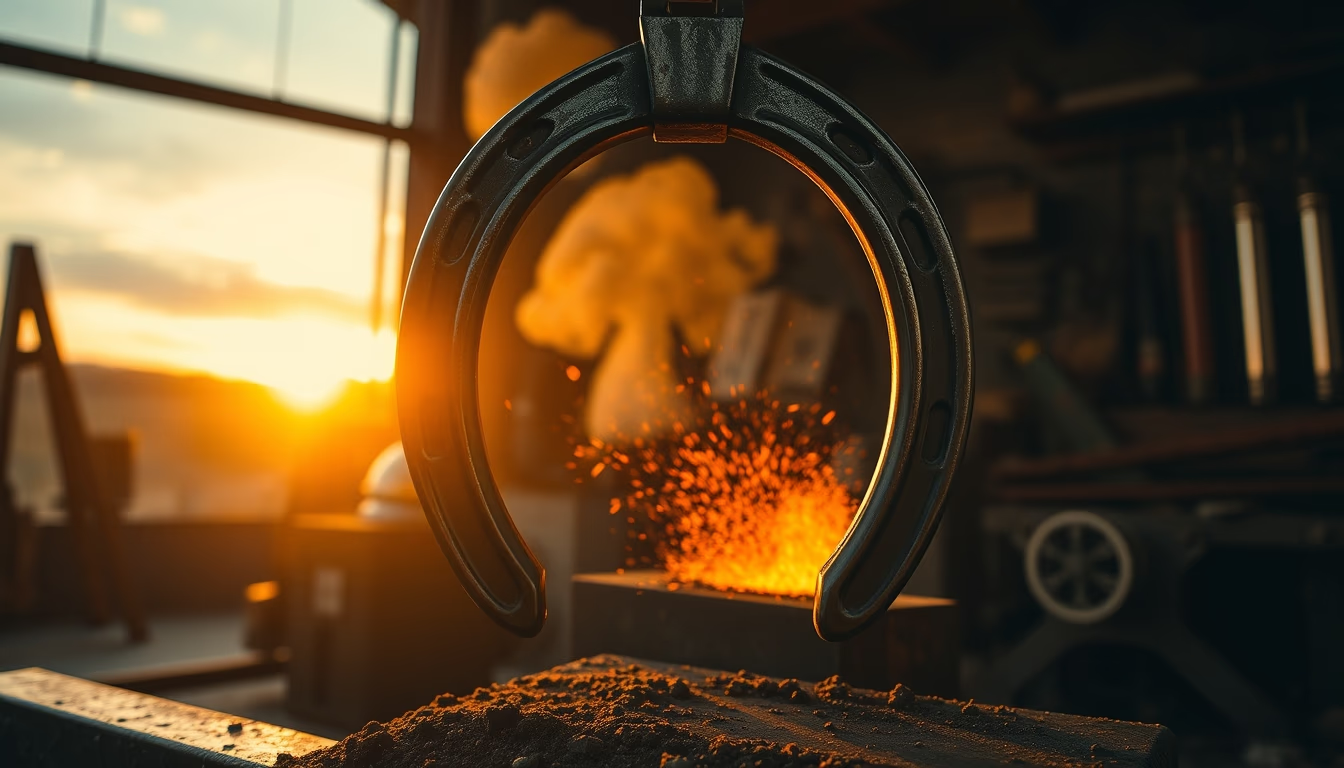
The horseshoe forge is a craft that combines metalworking and equestrian tradition, essential for the care of horse hooves.
About this subject
The horseshoe forge, also known as a blacksmith's shop, is an ancient craft dating back to antiquity when horses were first domesticated for transport, labor, and warfare. In Brazil, this tradition arrived with Portuguese colonizers and adapted to local needs, especially in cattle and horse breeding regions like the South and Center-West. The forging process involves heating iron or steel in a charcoal or gas forge to around 800 to 1000 degrees Celsius, then shaping it on an anvil using hammers and tongs. The farrier must fit each shoe to the specific hoof of the animal, considering shape, size, and purpose, whether for riding, draft, or sports.
Historically, horseshoes were made entirely by hand, but industrialization brought prefabricated models. However, many farriers still prefer manual work for a more precise and customized fit, reducing the risk of hoof injuries. The forge is also tied to popular culture: in many Brazilian towns, the sound of hammer on anvil symbolizes hard work and tradition. Moreover, horseshoe forging is one of the few professions that keeps medieval techniques alive, attracting history and craft enthusiasts.
In modern equestrian context, proper hoof care with suitable shoes is crucial for horse health. A poorly shod hoof can cause pain, lameness, and posture issues. Therefore, the farrier's work is highly valued by riders, trainers, and veterinarians. Although shoeing is common, there is debate about its necessity for horses living on soft pastures, but for animals working on asphalt, stone, or uneven terrain, protection is essential.
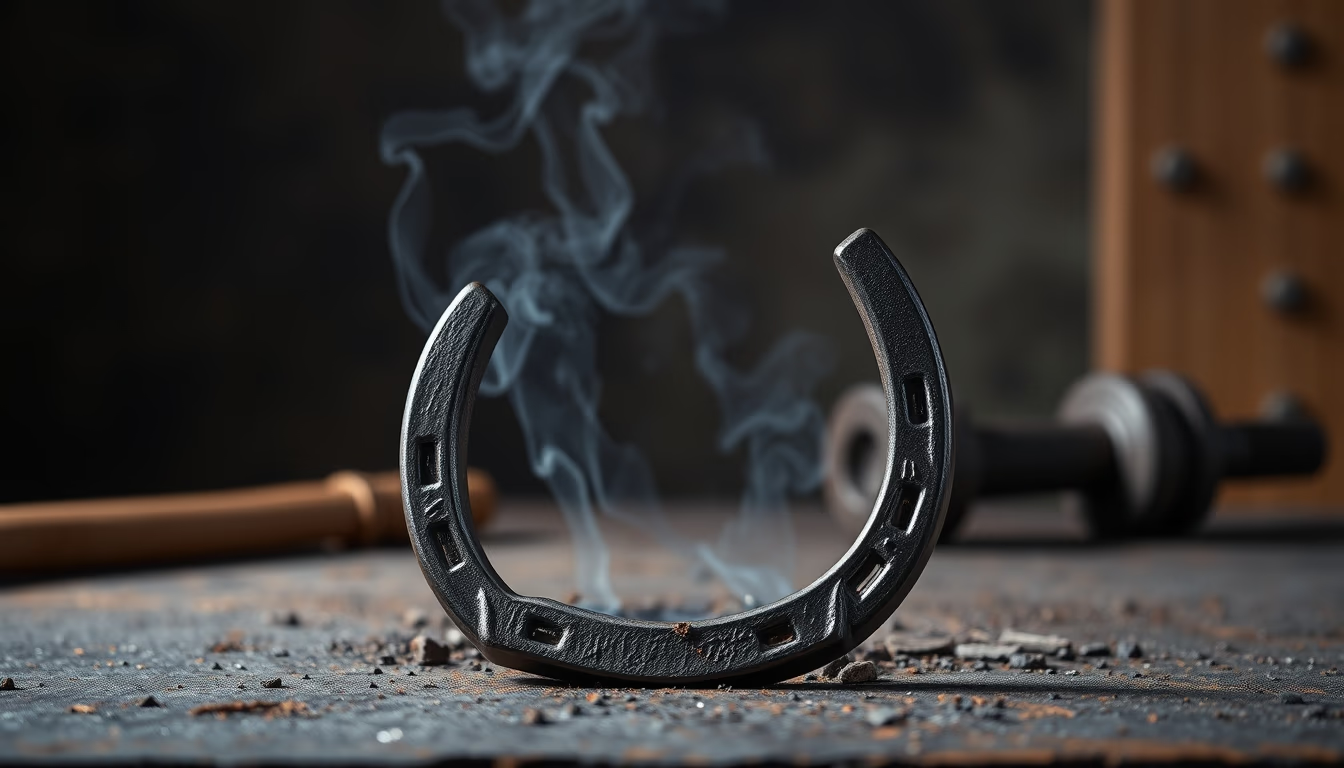
Interestingly, the "lucky horseshoe" concept has Celtic origins, but in Brazil it is common to hang horseshoes on doors to attract good luck, always with the ends pointing up to retain positive energy. The image of a horseshoe forge, in a wide cinematic shot, evokes this universe of tradition, sweat, and manual skill that survives through time.
Frequently Asked Questions
How is the horseshoe forging process carried out?
The blacksmith heats a bar of iron or steel in the forge until it glows, then hammers it on the anvil to shape a 'U' form and punches holes for nails. The shoe is then quenched in water or oil to harden it.
Why are handmade horseshoes important for horses?
Handmade shoes are custom-fitted to each horse's hoof, providing better comfort and preventing injuries such as cracks or laminitis. This is especially crucial for high-performance animals or those with hoof deformities.
Why are horseshoes considered symbols of good luck?
Celtic tradition associated iron and the crescent moon shape of the horseshoe with protection against evil spirits. In Brazil, hanging a horseshoe with ends up is believed to attract good luck and retain positive energy.
Direct URL
https://pub-c7d6a6ea828543ac903a74a341ccb2e1.r2.dev/imagens/horseshoe-iron-forge-cinematic-wide-shot-fresh5.avifHow to credit
Include a visible link back to UtilizAí. Copy one of the snippets below:
<a href="https://xn--utiliza-eza.com/en/midia/imagens/horseshoe-iron-forge-cinematic-wide-shot-fresh5">Horseshoe iron forge</a> by <a href="https://xn--utiliza-eza.com">UtilizAí</a>, licensed under <a href="https://creativecommons.org/licenses/by/4.0/">CC BY 4.0</a>.
[Horseshoe iron forge](https://xn--utiliza-eza.com/en/midia/imagens/horseshoe-iron-forge-cinematic-wide-shot-fresh5) by [UtilizAí](https://xn--utiliza-eza.com), CC BY 4.0
License: CC-BY-4.0