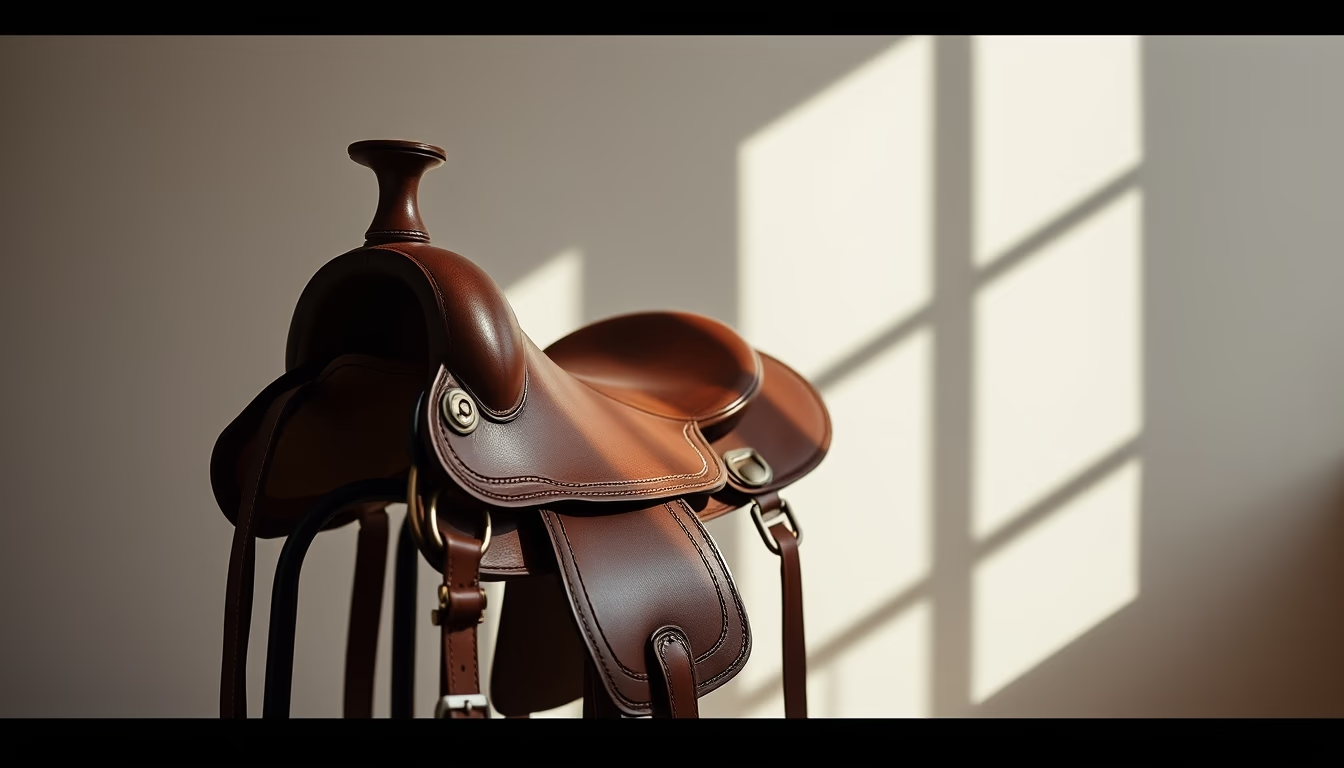
Horse saddle leather
1344×768 · AVIF · CC BY 4.0

Horse saddle leather: a traditional material that combines durability, flexibility, and artisanal craftsmanship in the equestrian world.
About this subject
Leather used for horse saddles is predominantly bovine leather, either chrome-tanned or vegetable-tanned depending on the purpose. Vegetable tanning, using tannins extracted from tree bark like acacia, gives leather greater stiffness and moldability, ideal for saddles that adapt to the horse's back over time. Chrome tanning makes leather softer and more water-resistant, common in everyday and weather-exposed saddles.
Leather choice directly impacts horse comfort and saddle durability. High-quality saddles use full-grain leather with no surface corrections, preserving natural strength and allowing patina to develop. Napa leather is used for rider contact areas due to its softness, while thicker vaqueta leather is applied to structural parts.
Saddle leather maintenance is crucial: cleaning with neutral soap, conditioning with mink oil or specific conditioners, and storing in a ventilated area prevent drying and cracking. A well-maintained leather saddle can last over 20 years, with many pieces passed down through generations. Countries like Argentina, Brazil, and the United States are major producers of handcrafted leather saddles, each with regional techniques and styles.
Besides bovine, exotic leathers like buffalo or goat are used in special saddles, but bovine leather remains the standard for its balance of cost and performance. The saddlery industry values leather as a sustainable material, being a byproduct of livestock and biodegradable, contrasting with synthetic alternatives that pollute the environment.
Frequently Asked Questions
What is the difference between chrome-tanned and vegetable-tanned leather for saddles?
Chrome-tanned leather is softer and more water-resistant, ideal for daily-use saddles. Vegetable-tanned leather is stiffer and more moldable, great for saddles that need to conform to the horse over time.
How do I care for saddle leather to extend its lifespan?
Clean with neutral soap and a damp sponge, condition with leather conditioner every 3-6 months, and store in a dry, ventilated place away from direct sunlight.
Is saddle leather a sustainable material?
Yes, as a byproduct of the meat industry and biodegradable, leather is more eco-friendly than petroleum-based synthetics, provided tanning processes are responsible.
Direct URL
https://pub-c7d6a6ea828543ac903a74a341ccb2e1.r2.dev/imagens/horse-saddle-leather-studio-editorial-portrait-fresh8.avifHow to credit
Include a visible link back to UtilizAí. Copy one of the snippets below:
<a href="https://xn--utiliza-eza.com/en/midia/imagens/horse-saddle-leather-studio-editorial-portrait-fresh8">Horse saddle leather</a> by <a href="https://xn--utiliza-eza.com">UtilizAí</a>, licensed under <a href="https://creativecommons.org/licenses/by/4.0/">CC BY 4.0</a>.
[Horse saddle leather](https://xn--utiliza-eza.com/en/midia/imagens/horse-saddle-leather-studio-editorial-portrait-fresh8) by [UtilizAí](https://xn--utiliza-eza.com), CC BY 4.0
License: CC-BY-4.0