Horse saddle leather
1344×768 · AVIF · CC BY 4.0

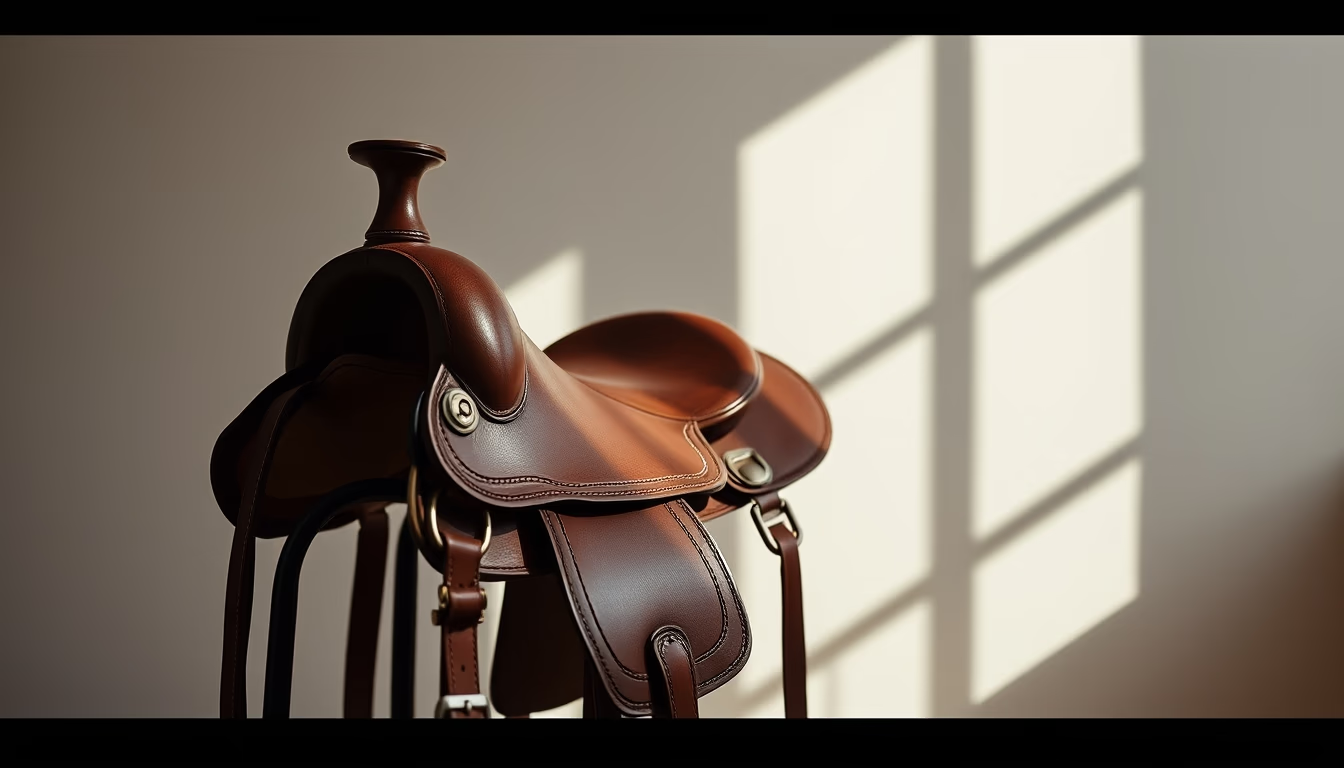
Horse saddle leather is a noble material chosen for its strength and durability in high-performance equestrian equipment.
About this subject
Leather used for horse saddles typically comes from bovine sources, though variations like buffalo or goat leather are also found. Vegetable tanning is the most valued process in this niche, as it preserves natural fibers and allows the material to breathe, which is essential for the comfort of both horse and rider. High-quality saddles undergo strict selection of whole hides, avoiding seams that could compromise structure. The leather's durability directly depends on the tanning type and finishes applied. While chrome-tanned leather is more flexible and water-resistant, vegetable-tanned leather is firmer and can be molded for precise adjustments, making it preferred by dressage and roping professionals.
Leather thickness on a saddle varies by component. Parts bearing greater weight, such as the tree and skirts, use thicker leather, about 4 to 5 millimeters. Areas in contact with the rider's legs, like the knee rolls, use thinner leather to ensure flexibility and shock absorption. Animal-based greases and oils, such as fish oil, are traditionally applied to hydrate the leather and extend its lifespan. However, excessive conditioning can weaken fibers, so care must be balanced.
Historically, saddle leather was prepared artisanally, with tanning in bark pits for months. Today, industry combines modern and traditional techniques to suit different equestrian disciplines. In Brazil, saddle leather is widely used in working mounts and sports like show jumping and team roping. Resistance to tearing and moisture is crucial for use in open fields and sun exposure. Additionally, leather texture influences friction with the rider's legs, impacting safety and control.
Specific care includes cleaning with mild soap after use, drying in the shade, and storing in a ventilated area. Saddles stored for long periods may dry out or mold if not periodically maintained. Leather quality is so important that well-preserved antique saddles are considered family heirlooms in the equestrian world. Investing in high-quality leather with responsible tanning certification also contributes to sustainability, as leather is a byproduct of the meat industry.
Frequently Asked Questions
What is the difference between vegetable-tanned and chrome-tanned leather for saddles?
Vegetable-tanned leather uses natural tannins, retaining stiffness and moldability, ideal for saddles requiring precise fit. Chrome-tanned leather is softer, water-resistant, and flexible, suitable for areas demanding comfort or use in wet conditions.
How should I care for saddle leather to prevent cracking?
Clean the saddle with mild soap and water after use, dry in the shade, and apply a leather conditioner (like fish or mink oil) every three months. Avoid prolonged sun exposure and store in a dry, ventilated area.
Why is saddle leather mostly made from cowhide?
Cowhide offers the ideal combination of strength, thickness, and availability. Bovine hides are large, allowing seamless cuts, and support the rider's weight without deforming. Additionally, vegetable tanning enhances its natural durability.
Direct URL
https://pub-c7d6a6ea828543ac903a74a341ccb2e1.r2.dev/imagens/horse-saddle-leather-long-exposure-fresh1.avifHow to credit
Include a visible link back to UtilizAí. Copy one of the snippets below:
<a href="https://xn--utiliza-eza.com/en/midia/imagens/horse-saddle-leather-long-exposure-fresh1">Horse saddle leather</a> by <a href="https://xn--utiliza-eza.com">UtilizAí</a>, licensed under <a href="https://creativecommons.org/licenses/by/4.0/">CC BY 4.0</a>.
[Horse saddle leather](https://xn--utiliza-eza.com/en/midia/imagens/horse-saddle-leather-long-exposure-fresh1) by [UtilizAí](https://xn--utiliza-eza.com), CC BY 4.0
License: CC-BY-4.0