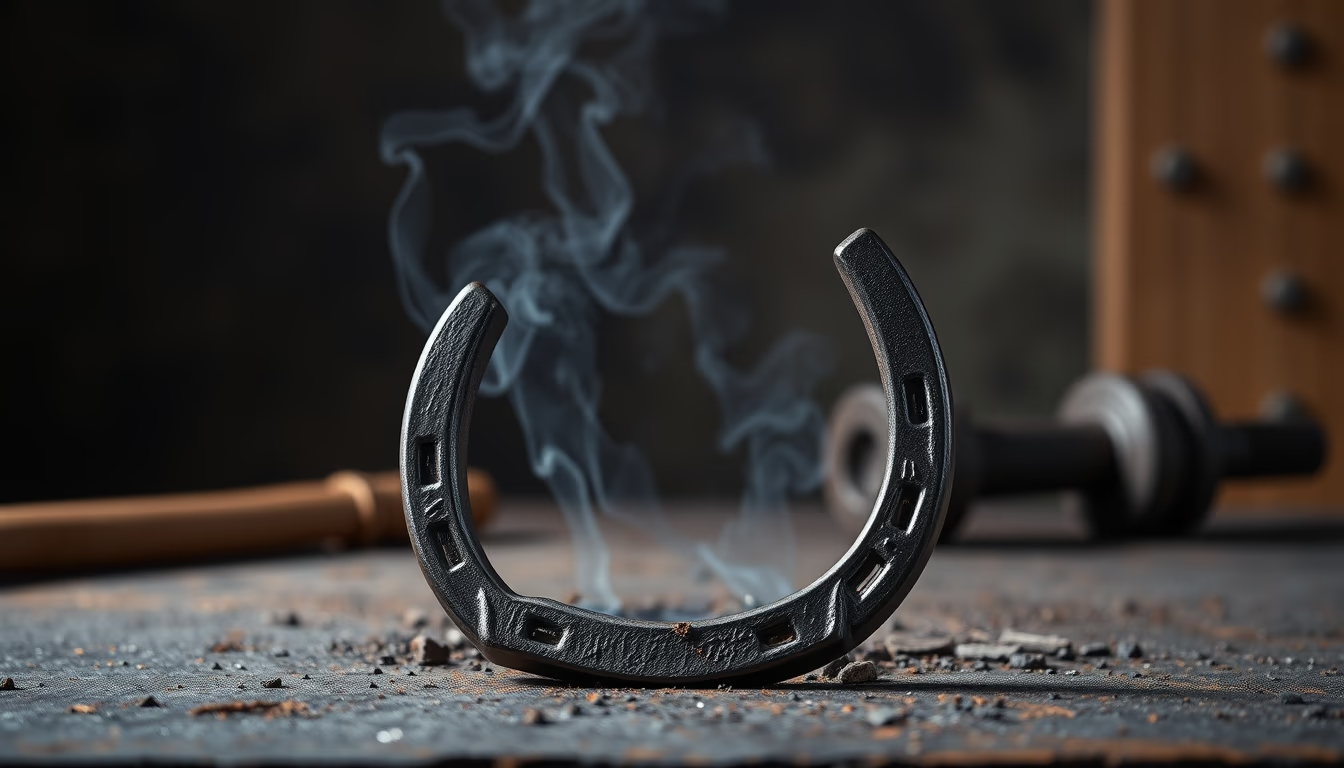
Horse bridle reins
1344×768 · AVIF · CC BY 4.0

Bridle reins are essential components in horseback riding, allowing precise communication between rider and horse.
About this subject
Bridle reins are one of the most important elements of equestrian equipment, connecting the rider's hands to the bit and transmitting signals for direction, stopping, and speed control. Traditionally made of leather, they are now also available in synthetic materials like nylon and biothane, each offering specific advantages in durability and grip. Length and thickness vary by discipline, with longer reins for western riding and shorter ones for classical dressage.
Historically, the use of reins dates back thousands of years, with evidence found in artifacts from ancient civilizations such as the Hittites and Egyptians. During the Middle Ages, reins evolved alongside armor and combat styles, becoming stiffer for better control in battle. In Brazil, bridle reins are widely used in practices like laço and vaqueiro, where quick response from the horse is essential. The gaucho culture also values hand-braided reins as symbols of skill and tradition.
Technically, bridle reins can be divided into two main types: simple reins attached directly to the bit, and full bridle reins that include a second rein connected to the bridoon for enhanced precision. The choice of material directly affects the rider's feel, as leather offers more flexibility and moisture absorption, while nylon provides greater resistance in wet conditions. Keeping reins clean and conditioned prevents drying and increases safety during riding.
Interestingly, reins also play a symbolic role in high-level dressage competitions, where lightness of contact is judged rigorously. Poorly adjusted or low-quality reins can cause discomfort to the horse and hinder performance. Additionally, the rein knot, known as the 'English knot' or 'safety knot', is a technique to prevent reins from accidentally slipping, taught in riding schools worldwide.
Frequently Asked Questions
What is the difference between bridle reins and halter reins?
Bridle reins are attached to the bit for precise control, while halter reins are on the halter for gentle leading or light riding.
How to choose the right material for bridle reins?
Leather is traditional with good grip and flexibility but needs maintenance. Nylon is durable and easy to clean, ideal for wet weather. Biothane is synthetic and waterproof, requiring no conditioning.
Do bridle reins affect the horse's performance?
Yes, overly thick or rough reins can cause discomfort, reducing the horse's responsiveness. Proper materials and fit improve communication and the animal's well-being.
Direct URL
https://pub-c7d6a6ea828543ac903a74a341ccb2e1.r2.dev/imagens/horse-bridle-reins-documentary-nature-style-fresh14.avifHow to credit
Include a visible link back to UtilizAí. Copy one of the snippets below:
<a href="https://xn--utiliza-eza.com/en/midia/imagens/horse-bridle-reins-documentary-nature-style-fresh14">Horse bridle reins</a> by <a href="https://xn--utiliza-eza.com">UtilizAí</a>, licensed under <a href="https://creativecommons.org/licenses/by/4.0/">CC BY 4.0</a>.
[Horse bridle reins](https://xn--utiliza-eza.com/en/midia/imagens/horse-bridle-reins-documentary-nature-style-fresh14) by [UtilizAí](https://xn--utiliza-eza.com), CC BY 4.0
License: CC-BY-4.0