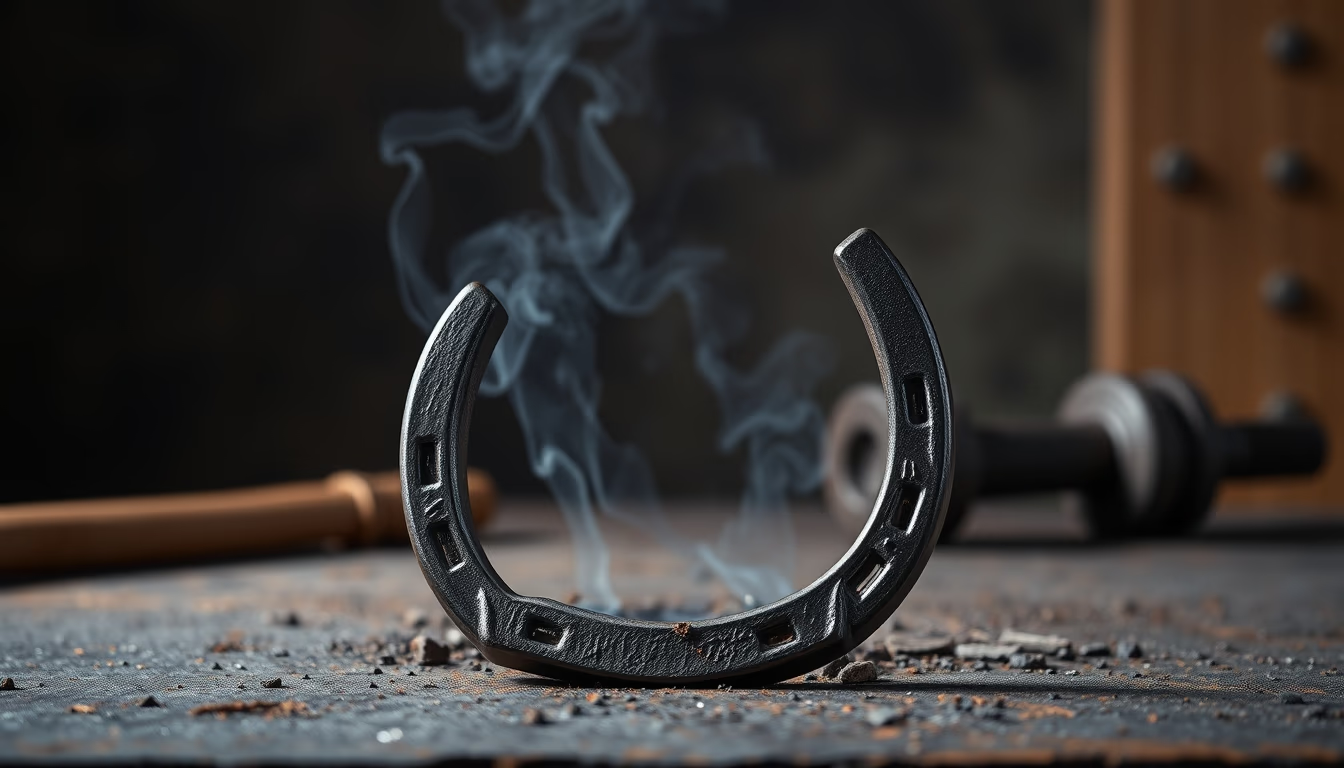
Horse bridle reins
1344×768 · AVIF · CC BY 4.0

Horse bridle reins are essential components of riding, used to control and guide the horse during riding or handling.
About this subject
Horse bridle reins are straps or ropes that connect to the bit or hackamore, allowing the rider to transmit commands to the horse. They are made from various materials such as leather, nylon, rubber, or synthetic cord, each with specific grip and durability properties. Leather is traditional and offers good flexibility, while synthetic materials are more resistant to moisture and easy to clean. Reins come in different lengths and widths, adapting to different equestrian disciplines like dressage, jumping, reining, or recreational riding.
Historically, reins evolved alongside horse domestication about 5,000 years ago. Ancient civilizations like the Hittites and Egyptians already used rudimentary reins made of leather or plant fibers. Over time, design was refined to provide better control and comfort for the animal. In English riding, reins are generally thinner and used with a snaffle bit, while in Western riding they are thicker and often made of rope or braided leather, reflecting cattle work needs.
Beyond the practical function, reins also carry cultural significance. In many traditions, such as Brazilian vaquejada or American rodeo, rein handling is a prized skill. Variations include hackamore reins (used without a bit) or halter reins for ground handling. Choosing the right type of rein influences the communication between horse and rider: thicker reins offer more firmness, while thinner ones allow subtler signals. Proper maintenance, like cleaning and conditioning leather, extends lifespan and ensures safety.
Frequently Asked Questions
What are the most common types of horse reins?
Common types include straight reins (single strap), closed reins (with loops at the ends), and knot reins (used in roping). Also popular are rope reins (common in Western riding) and rubber reins (for extra grip).
How to choose the best material for reins?
Leather is classic and comfortable but requires maintenance. Nylon and synthetic materials are durable and water-resistant, ideal for daily use or wet climates. Rubber offers good grip, especially for sweaty hands.
What is the difference between English and Western reins?
English reins are usually thinner (1.3 to 1.6 cm) and used with a snaffle bit, allowing subtle signals. Western reins are thicker (1.9 to 2.5 cm) and often made of rope, providing more leverage for quick maneuvers.
Direct URL
https://pub-c7d6a6ea828543ac903a74a341ccb2e1.r2.dev/imagens/horse-bridle-reins-aerial-drone-shot-fresh8.avifHow to credit
Include a visible link back to UtilizAí. Copy one of the snippets below:
<a href="https://xn--utiliza-eza.com/en/midia/imagens/horse-bridle-reins-aerial-drone-shot-fresh8">Horse bridle reins</a> by <a href="https://xn--utiliza-eza.com">UtilizAí</a>, licensed under <a href="https://creativecommons.org/licenses/by/4.0/">CC BY 4.0</a>.
[Horse bridle reins](https://xn--utiliza-eza.com/en/midia/imagens/horse-bridle-reins-aerial-drone-shot-fresh8) by [UtilizAí](https://xn--utiliza-eza.com), CC BY 4.0
License: CC-BY-4.0