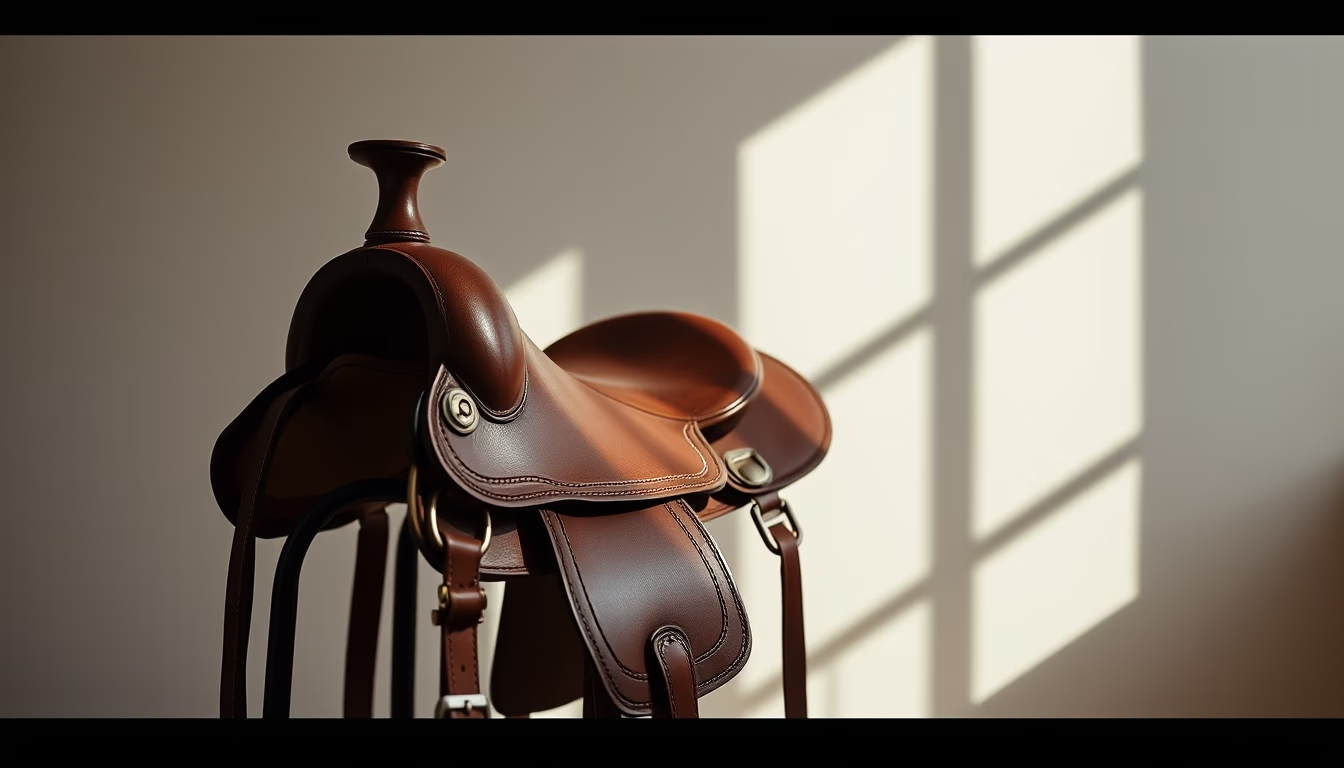
Horse bridle hanging
1344×768 · AVIF · CC BY 4.0

A horse bridle hanging, an essential piece of equestrian tack that combines functionality and tradition.
About this subject
The bridle, also known as a headstall, is one of the most important components of equestrian tack. It is a set of straps, usually made of leather or synthetic material, that fits onto the horse's head, allowing the rider to control the animal through the reins. There are several types of bridles, each suited to different disciplines and training levels. A basic bridle includes the crownpiece (which goes over the horse's poll), the browband, the noseband, the bit (or brado), and the reins. Material choices vary: traditional leather, synthetic leather, or nylon, depending on use and budget. Proper maintenance, such as cleaning and conditioning the leather, is crucial for durability and the animal's comfort.
Historically, bridles evolved from simple ropes to complex designs influenced by various equestrian cultures. In medieval Europe, bits were often adorned with precious metals as status symbols. In Brazil, the vaqueiro culture uses sturdy bridles, often with silver details, as part of traditional attire. In equestrian competitions, specific bridles are required, such as the three-ring gag for jumping or the pelham for dressage. Safety is paramount: a poorly adjusted bridle can cause discomfort or injury to the horse.
Fun fact: The word "bridle" comes from Old English "bridel," and the piece is as old as horse domestication itself. The earliest bits, made of bone or horn, date back to around 4000 BC. Today, innovations such as bitless bridles (hackamores) or those with neoprene padding aim to improve animal welfare. An image of a hanging bridle, perhaps in a barn or tack room, evokes the routine of preparing for riding, a moment of connection between rider and horse.
Frequently Asked Questions
What are the main types of horse bridles?
Main types include the snaffle bridle (single bit), double bridle (two bits, used in dressage), three-ring gag (for jumping), and hackamore (bitless, using nose pressure).
How do you know if a bridle is properly fitted?
Adjust the crownpiece so the bit sits at the correct height (one or two wrinkles at the corners of the mouth). The noseband should not be too tight; two fingers should fit between it and the horse's face. The bridle should be firm but not cause discomfort.
What is the difference between a bit and a curb?
A bit is the mouthpiece, while a curb is a type of bit with leverage action. In practice, a snaffle bit is milder, used for early training; a curb bit is stronger, for experienced horses.
Direct URL
https://pub-c7d6a6ea828543ac903a74a341ccb2e1.r2.dev/imagens/horse-bridle-hanging-lo-fi-disposable-camera-fresh4.avifHow to credit
Include a visible link back to UtilizAí. Copy one of the snippets below:
<a href="https://xn--utiliza-eza.com/en/midia/imagens/horse-bridle-hanging-lo-fi-disposable-camera-fresh4">Horse bridle hanging</a> by <a href="https://xn--utiliza-eza.com">UtilizAí</a>, licensed under <a href="https://creativecommons.org/licenses/by/4.0/">CC BY 4.0</a>.
[Horse bridle hanging](https://xn--utiliza-eza.com/en/midia/imagens/horse-bridle-hanging-lo-fi-disposable-camera-fresh4) by [UtilizAí](https://xn--utiliza-eza.com), CC BY 4.0
License: CC-BY-4.0