Home automation dashboard
1344×768 · AVIF · CC BY 4.0
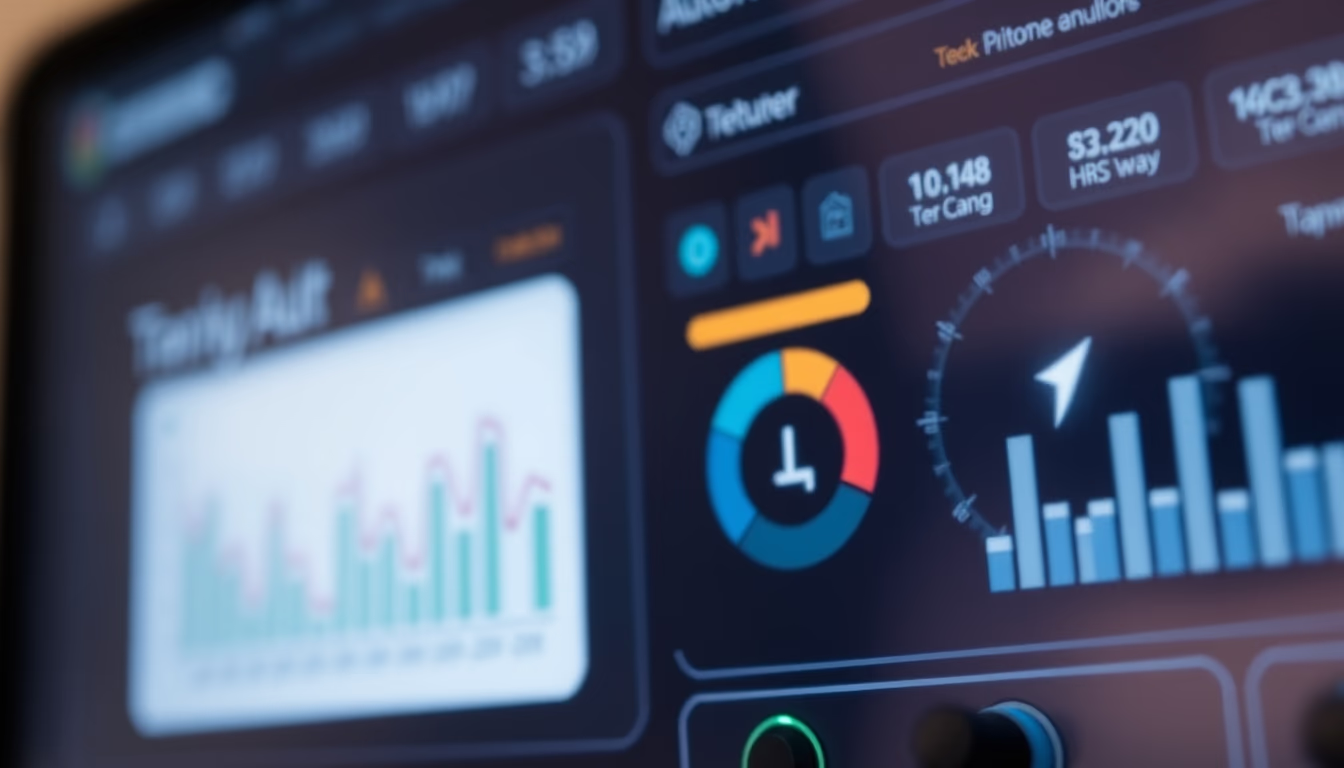
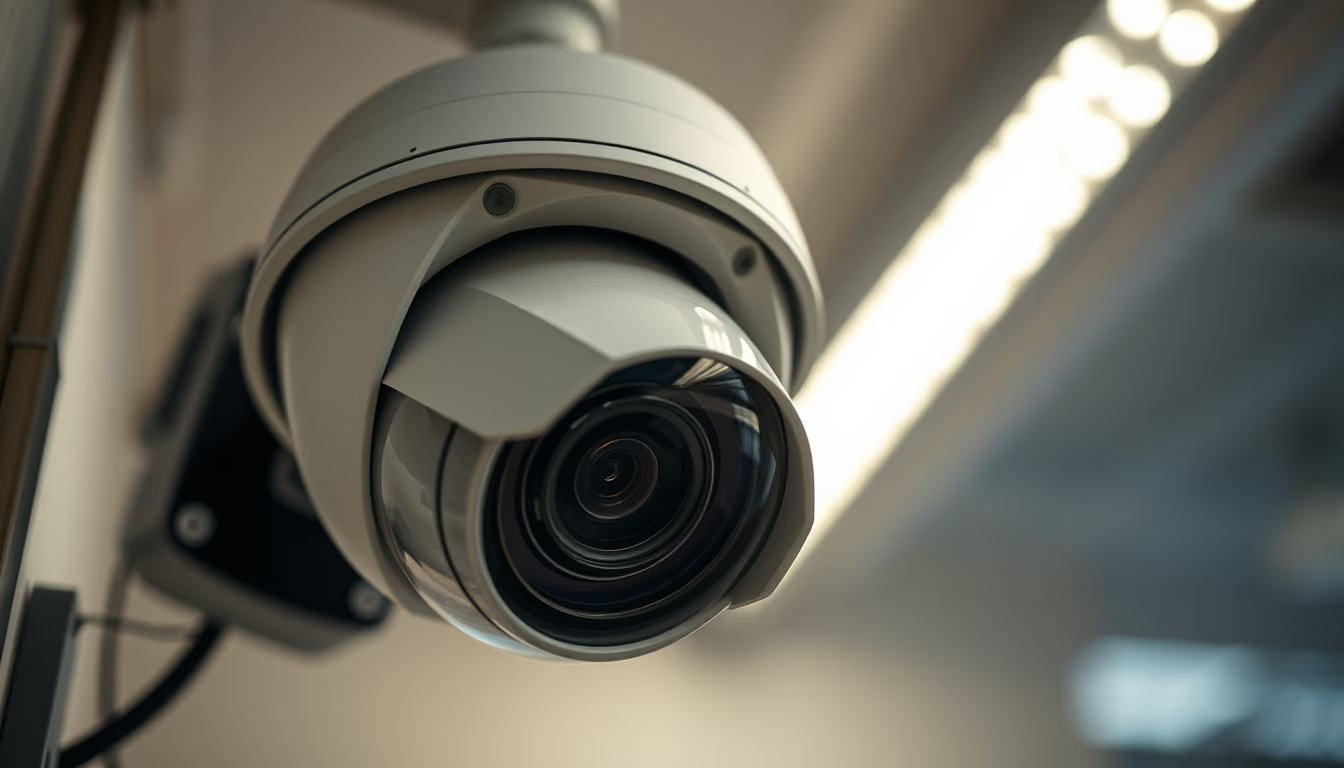
Smart home automation dashboard with an intelligent interface and integrated sensors for real-time control of lighting, climate, and security.
About this subject
The home automation dashboard serves as the central control hub of a smart home, consolidating management of devices like lights, thermostats, cameras, and sensors on a single screen. Globally, the smart home market is projected to reach over $200 billion by 2026, driven by IoT adoption and consumer demand for convenience. Common communication protocols include Zigbee, Z-Wave, and Wi-Fi, enabling cross-brand interoperability.
Key features include remote control of lighting and blinds, scheduling for smart climate systems, and integration with security components such as motion detectors and smart locks. Voice assistants like Amazon Alexa and Google Assistant provide hands-free operation. Dashboards typically display real-time energy consumption graphs and instant notifications for events like door openings or smoke detection.
By 2026, the Matter protocol is expected to become universal, ensuring seamless compatibility across manufacturers. Predictive automation using artificial intelligence will allow homes to learn user habits, automatically adjusting settings for optimal comfort and efficiency. Integration with solar panels and smart batteries will enhance renewable energy utilization.
Benefits include energy savings of up to 30%, improved security through instant alerts, and personalized comfort. For instance, occupancy sensors can turn off lights in empty rooms, while smart thermostats adjust based on the number of occupants. Data analytics help create routines that simplify daily life, from waking up to going to bed.
Frequently Asked Questions
How does a home automation dashboard work?
A home automation dashboard centralizes control of smart devices through a graphical interface. It communicates via protocols like Zigbee or Wi-Fi, allowing users to turn lights on/off, adjust temperature, view cameras, and receive security alerts in real time.
What are the main communication protocols used?
The most common are Zigbee, Z-Wave, and Wi-Fi. Zigbee and Z-Wave are low-power mesh networks ideal for sensors and lights. Wi-Fi is used for higher-bandwidth devices like cameras. The new Matter protocol aims to unify these standards.
Can different brands be integrated into a single system?
Yes, as long as devices support open protocols like Zigbee or Matter. Platforms such as Home Assistant, SmartThings, and Google Home allow integration of brands like Philips Hue, Samsung, and D-Link into one dashboard, eliminating separate hubs.
Direct URL
https://pub-c7d6a6ea828543ac903a74a341ccb2e1.r2.dev/imagens/home-automation-dashboard-macro-closeup-p0.avifHow to credit
Include a visible link back to UtilizAí. Copy one of the snippets below:
<a href="https://xn--utiliza-eza.com/en/midia/imagens/home-automation-dashboard-macro-closeup-p0">Home automation dashboard</a> by <a href="https://xn--utiliza-eza.com">UtilizAí</a>, licensed under <a href="https://creativecommons.org/licenses/by/4.0/">CC BY 4.0</a>.
[Home automation dashboard](https://xn--utiliza-eza.com/en/midia/imagens/home-automation-dashboard-macro-closeup-p0) by [UtilizAí](https://xn--utiliza-eza.com), CC BY 4.0
License: CC-BY-4.0