Holi powder colors
1344×768 · AVIF · CC BY 4.0
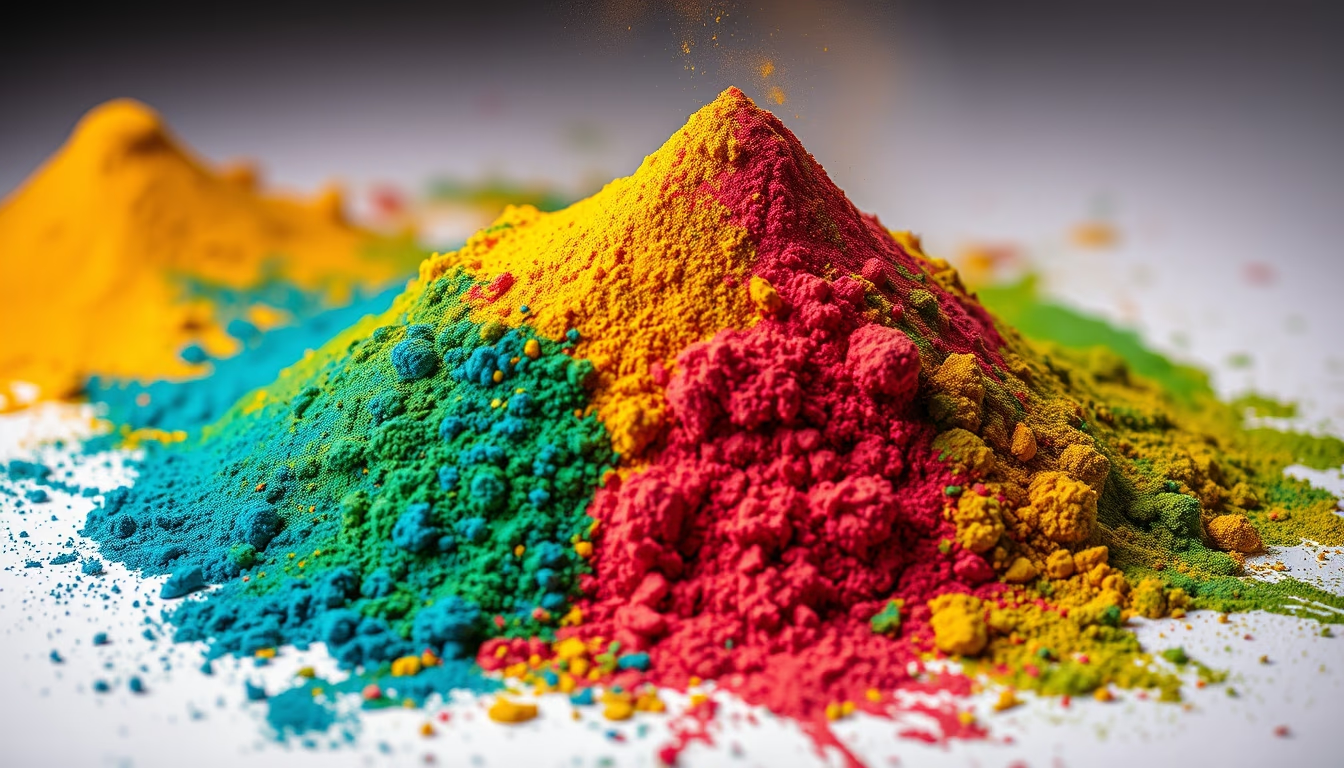
Colorful Holi powders, used in the Hindu spring festival, celebrated with vibrant hues and joy.
About this subject
Holi powders, also called gulal or abir, are the centerpiece of the Hindu festival of Holi, which celebrates the arrival of spring and the triumph of good over evil. These vibrant powders are thrown at each other during the festival, symbolizing joy, love, and renewal. The tradition dates back to Hindu legends, such as the story of Krishna and Radha, where Krishna playfully colored Radha's face. Originally, the colors were derived from plants and flowers: red from sandalwood and hibiscus, yellow from turmeric, blue from indigo, and green from neem leaves. Over time, synthetic versions became popular, but there is a growing movement back to natural pigments, which are safer for skin and the environment.
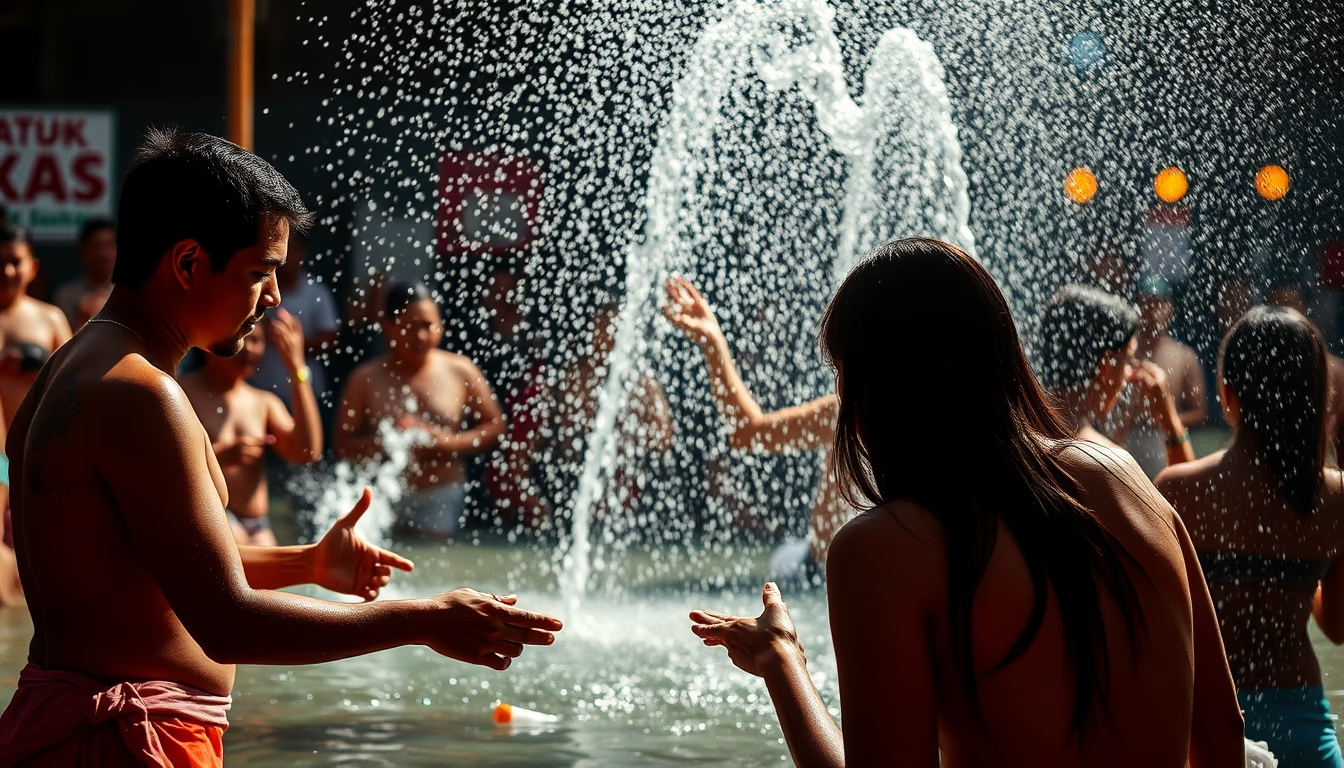
Holi is celebrated mainly in India, Nepal, and Hindu communities worldwide. The festival spans two days: the first is Holika Dahan, featuring bonfires that symbolize the destruction of evil; the second is Rangwali Holi, when people take to the streets to throw colored powders and water. Each color carries cultural significance: red represents love and fertility, blue is associated with Lord Krishna, green symbolizes nature, and yellow refers to turmeric, used in purification rituals.
Interestingly, the production and sale of Holi powders generate a global market worth millions of dollars annually. In India, cities like Mathura and Vrindavan are famous for the most intense celebrations. In recent years, concerns about chemical dyes harming health and the environment have spurred a revival of traditional methods, such as using ground dried flowers and cornstarch colored with natural extracts.
Frequently Asked Questions
What are traditional Holi powders made of?
Traditional gulal powders are made from cornstarch or rice flour mixed with natural dyes extracted from flowers, leaves, and spices, such as turmeric (yellow), hibiscus (red), and indigo (blue).
What is the origin of the Holi festival?
Holi has ancient roots in Hindu mythology, especially the legend of Holika and Prahlad, symbolizing the victory of good over evil. It is also linked to Lord Krishna's playful color-throwing activities with the gopis.
How can I celebrate Holi sustainably?
Choose natural powders and avoid chemical ones. Use dried ground flowers or make your own gulal with cornstarch and food coloring. Prefer outdoor celebrations and minimize water usage.
Direct URL
https://pub-c7d6a6ea828543ac903a74a341ccb2e1.r2.dev/imagens/holi-powder-colors-studio-still-life-fresh3.avifHow to credit
Include a visible link back to UtilizAí. Copy one of the snippets below:
<a href="https://xn--utiliza-eza.com/en/midia/imagens/holi-powder-colors-studio-still-life-fresh3">Holi powder colors</a> by <a href="https://xn--utiliza-eza.com">UtilizAí</a>, licensed under <a href="https://creativecommons.org/licenses/by/4.0/">CC BY 4.0</a>.
[Holi powder colors](https://xn--utiliza-eza.com/en/midia/imagens/holi-powder-colors-studio-still-life-fresh3) by [UtilizAí](https://xn--utiliza-eza.com), CC BY 4.0
License: CC-BY-4.0