Holi powder colors
1344×768 · AVIF · CC BY 4.0
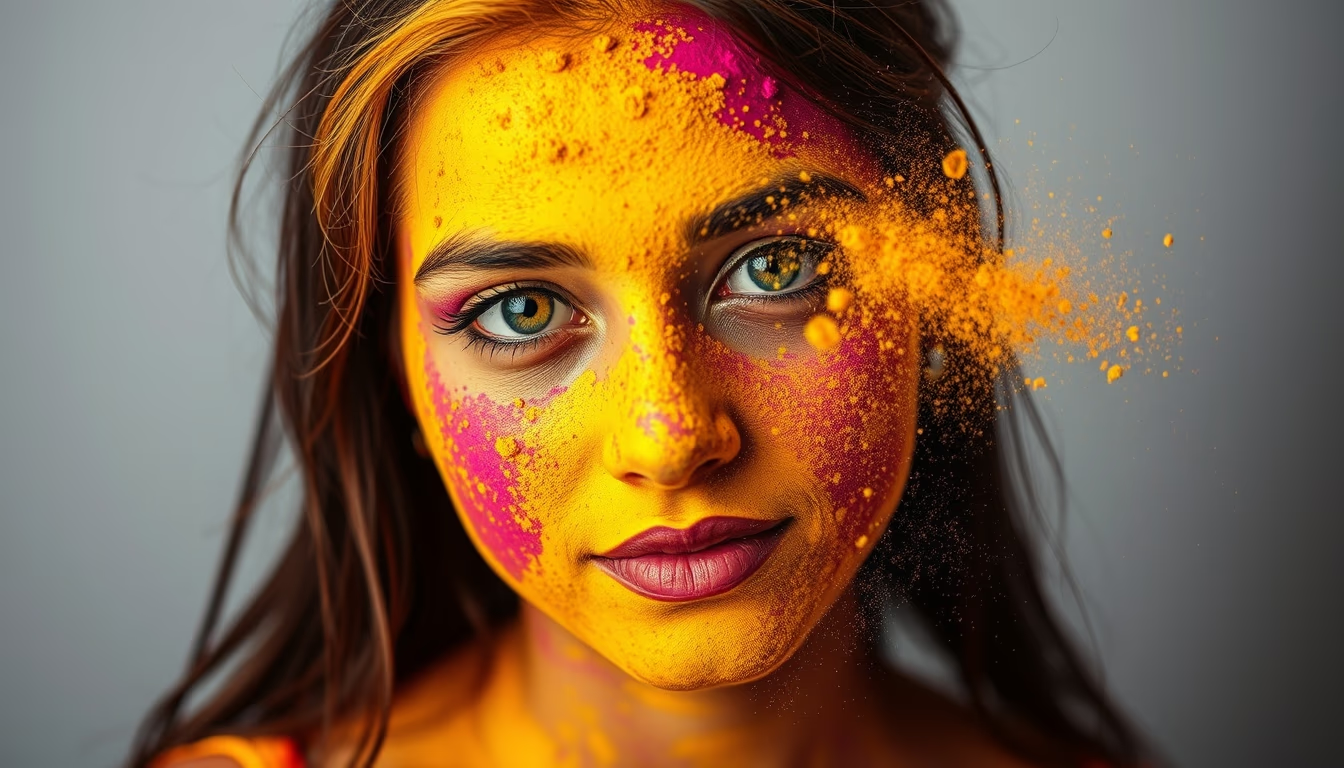
Discover the meaning of Holi powder colors, the Indian spring festival celebrating good over evil with bursts of natural pigments.
About this subject
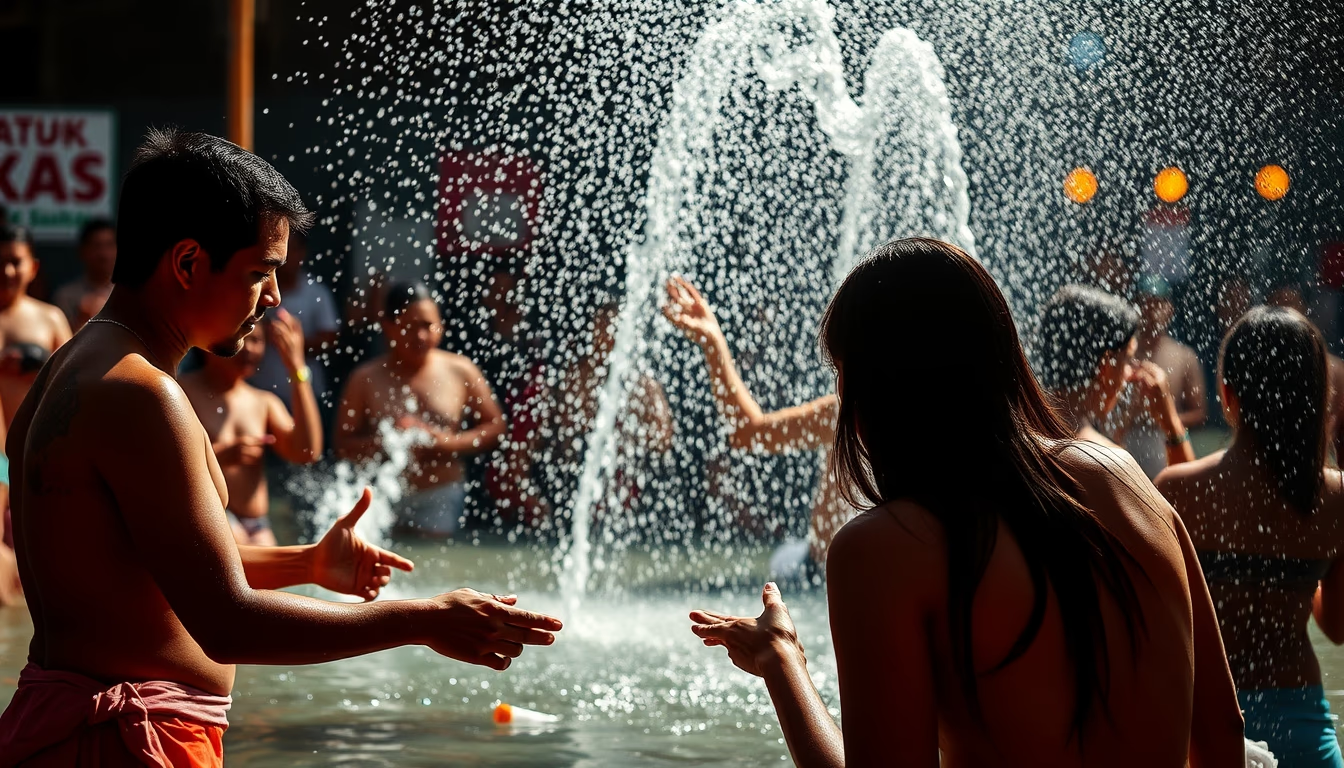
Holi, known as the festival of colors, is a Hindu celebration marking the arrival of spring and the victory of good over evil. It typically falls in March, determined by the lunar calendar. The most popular legend involves the demon king Hiranyakashipu and his son Prahlada, a devotee of Vishnu. When the king's sister Holika tried to burn Prahlada, she was consumed by the fire instead, symbolizing the triumph of righteousness. During Holi, people gather in streets to throw colored powders called gulal and tinted water, creating a vibrant spectacle.
Traditional Holi powders are made from natural ingredients like cornstarch, rice flour, and pigments from flowers, such as bougainvillea for pink and turmeric for yellow. Each color holds meaning: red symbolizes love and fertility, blue represents the god Krishna, green signifies new beginnings, and yellow is linked to saffron and prosperity. Unfortunately, modern synthetic versions may contain harsh chemicals that harm skin and the environment, prompting campaigns for eco-friendly Holi celebrations.
The festival begins the night before with Holika Dahan, a bonfire that burns wood and effigies, signifying the destruction of evil. The next day, Rangowali Holi, families and friends take to the streets to cover each other in color, dance to traditional music, and share sweets like gujiya and drinks like thandai. The celebration breaks social barriers: people of all ages and backgrounds mix in an atmosphere of joy and forgiveness.
Holi has spread globally, with events in the United States, United Kingdom, and Brazil. Public celebrations often use organic powders to prevent allergies. The immersive experience attracts tourists eager to engage with Indian culture firsthand. Understanding the symbolism behind the colors enriches the experience, turning the festival into a lesson in history, spirituality, and community bonding.
Frequently Asked Questions
What exactly are Holi powder colors?
They are colored powders called gulal, traditionally made from cornstarch or rice flour mixed with natural pigments from flowers like turmeric and bougainvillea. During the festival, people throw these powders at each other as a symbol of joy and unity.
Can Holi colors harm skin or health?
Traditional versions made from natural ingredients are safe, but synthetic powders may contain heavy metals and chemicals that irritate skin, eyes, and respiratory system. It is recommended to use only organic gulal and apply oil on skin before playing to ease removal.
How should I prepare to participate in a Holi festival?
Wear old, comfortable clothes, preferably white to make colors pop. Protect your eyes with sunglasses and apply moisturizer or oil on skin and hair. Bring water and avoid contact with powders if you have allergies. After the event, wash with cold water and mild soap.
Direct URL
https://pub-c7d6a6ea828543ac903a74a341ccb2e1.r2.dev/imagens/holi-powder-colors-studio-editorial-portrait-fresh11.avifHow to credit
Include a visible link back to UtilizAí. Copy one of the snippets below:
<a href="https://xn--utiliza-eza.com/en/midia/imagens/holi-powder-colors-studio-editorial-portrait-fresh11">Holi powder colors</a> by <a href="https://xn--utiliza-eza.com">UtilizAí</a>, licensed under <a href="https://creativecommons.org/licenses/by/4.0/">CC BY 4.0</a>.
[Holi powder colors](https://xn--utiliza-eza.com/en/midia/imagens/holi-powder-colors-studio-editorial-portrait-fresh11) by [UtilizAí](https://xn--utiliza-eza.com), CC BY 4.0
License: CC-BY-4.0