Holi powder colors
1344×768 · AVIF · CC BY 4.0
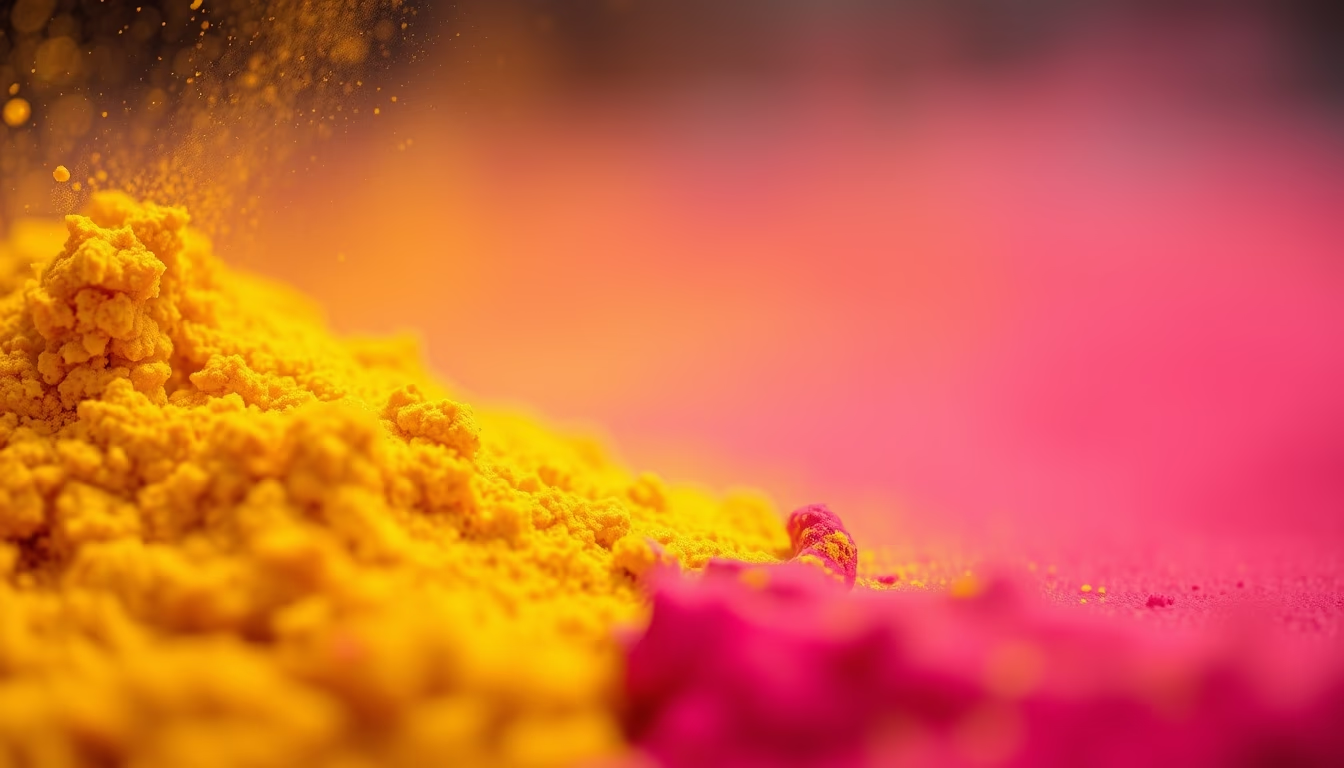
The colored powders of Holi are an essential part of the Hindu festival celebrating the arrival of spring and the victory of good over evil.
About this subject
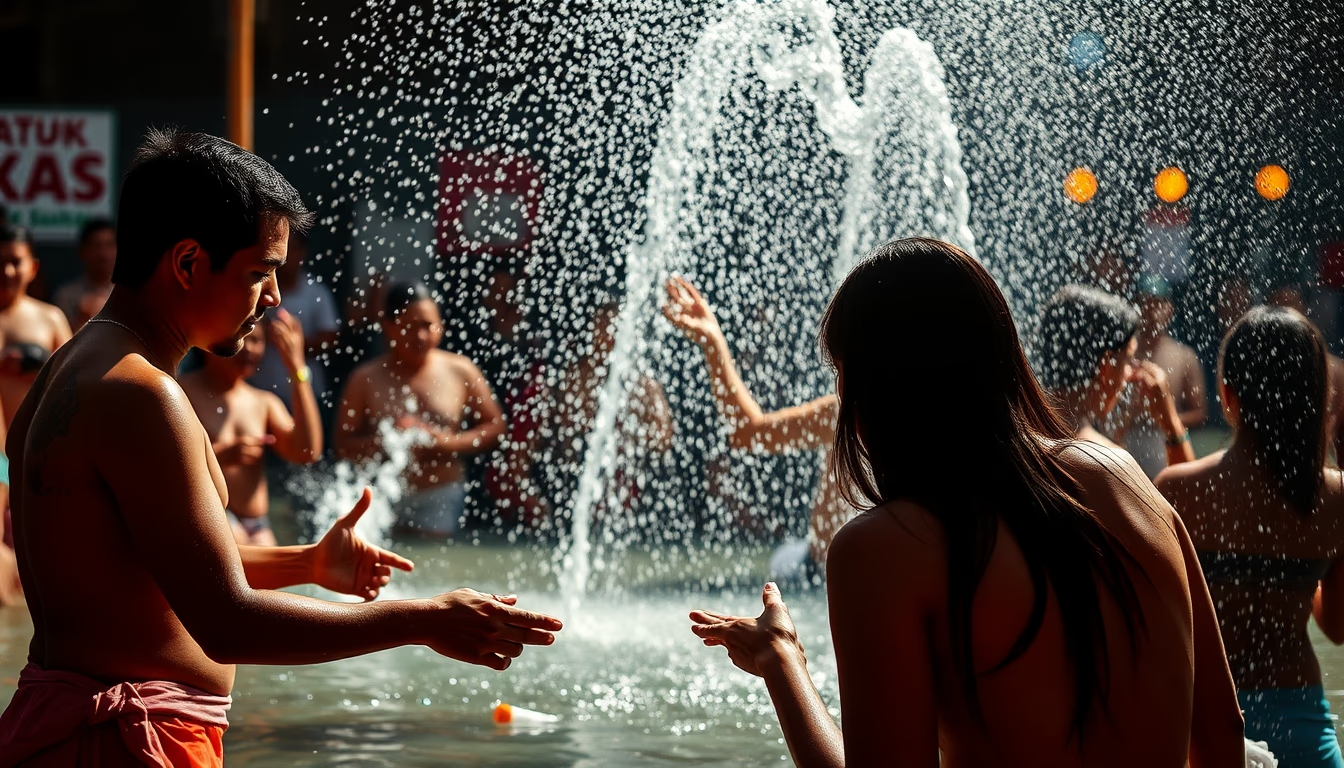
Holi, known as the festival of colors, is a Hindu celebration that takes place at the end of winter, usually in March, marking the spring equinox. The event commemorates the legend of Prahlada and Holika, symbolizing the victory of good over evil. During the festival, people gather in streets and squares to throw colored powders at each other, creating a vibrant visual spectacle. These powders are called gulal or abir. They have ancient origins and were originally made from natural ingredients such as dried flowers, turmeric, sandalwood, and plant extracts. Each color has a special meaning: red represents love and fertility, blue honors the god Krishna, green symbolizes nature and harvest, and yellow is associated with turmeric, a sacred spice.
Traditionally, dry powder is thrown into the air, while the wet version, mixed with water, is applied with water guns or buckets. The practice of coloring each other breaks social barriers and promotes unity across castes, ages, and genders. Besides the powders, the festival includes music, dance, and special foods like gujiya and drinks like bhang, a cannabis infusion used in ritual contexts. In recent years, Holi has spread globally, with celebrations in many countries, raising concerns about the use of synthetic powders containing harmful chemicals. As a result, many opt for eco-friendly versions made from cornstarch and natural dyes, which are safe for skin and the environment.
The explosion of colors during Holi is not only a cultural tradition but also an expression of joy and renewal. The festival reflects the Hindu belief that life should be lived with enthusiasm and that differences can be dissolved through love and celebration. For participants, the color bath symbolizes purification and the start of a new cycle. Although the festival is marked by playfulness, it carries deep spiritual meaning, reminding everyone that light always triumphs over darkness.
Frequently Asked Questions
What do the colors of Holi powder mean?
Each color has a specific symbolism: red represents love and fertility; blue honors the god Krishna; green symbolizes nature and harvest; yellow is associated with turmeric, a sacred spice used in ceremonies.
Are Holi powders safe for skin?
Natural powders made from flowers and spices are safe. However, many synthetic powders contain chemical dyes that can cause allergies or irritation. It is recommended to use eco-friendly versions and protect eyes and mouth during play.
How to remove Holi powder from skin and hair?
Wash skin with warm water and mild soap. For hair, apply vegetable oil (such as coconut or olive oil) before washing, as it helps loosen the pigment. Avoid scrubbing forcefully to prevent damage to skin or hair.
Direct URL
https://pub-c7d6a6ea828543ac903a74a341ccb2e1.r2.dev/imagens/holi-powder-colors-macro-closeup-fresh13.avifHow to credit
Include a visible link back to UtilizAí. Copy one of the snippets below:
<a href="https://xn--utiliza-eza.com/en/midia/imagens/holi-powder-colors-macro-closeup-fresh13">Holi powder colors</a> by <a href="https://xn--utiliza-eza.com">UtilizAí</a>, licensed under <a href="https://creativecommons.org/licenses/by/4.0/">CC BY 4.0</a>.
[Holi powder colors](https://xn--utiliza-eza.com/en/midia/imagens/holi-powder-colors-macro-closeup-fresh13) by [UtilizAí](https://xn--utiliza-eza.com), CC BY 4.0
License: CC-BY-4.0