High speed train station
1344×768 · AVIF · CC BY 4.0
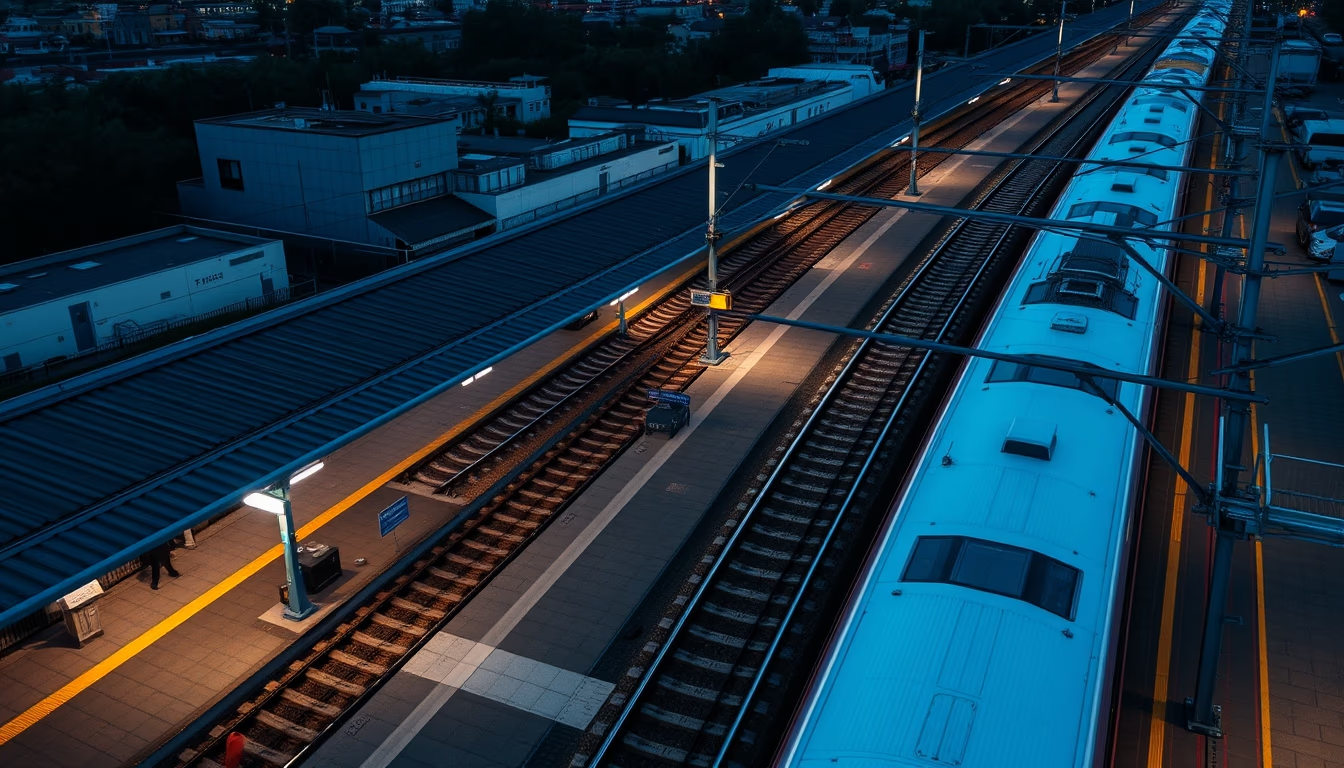
High-speed train stations are modern hubs connecting cities with efficiency and comfort, integrating technology and innovative design.
About this subject
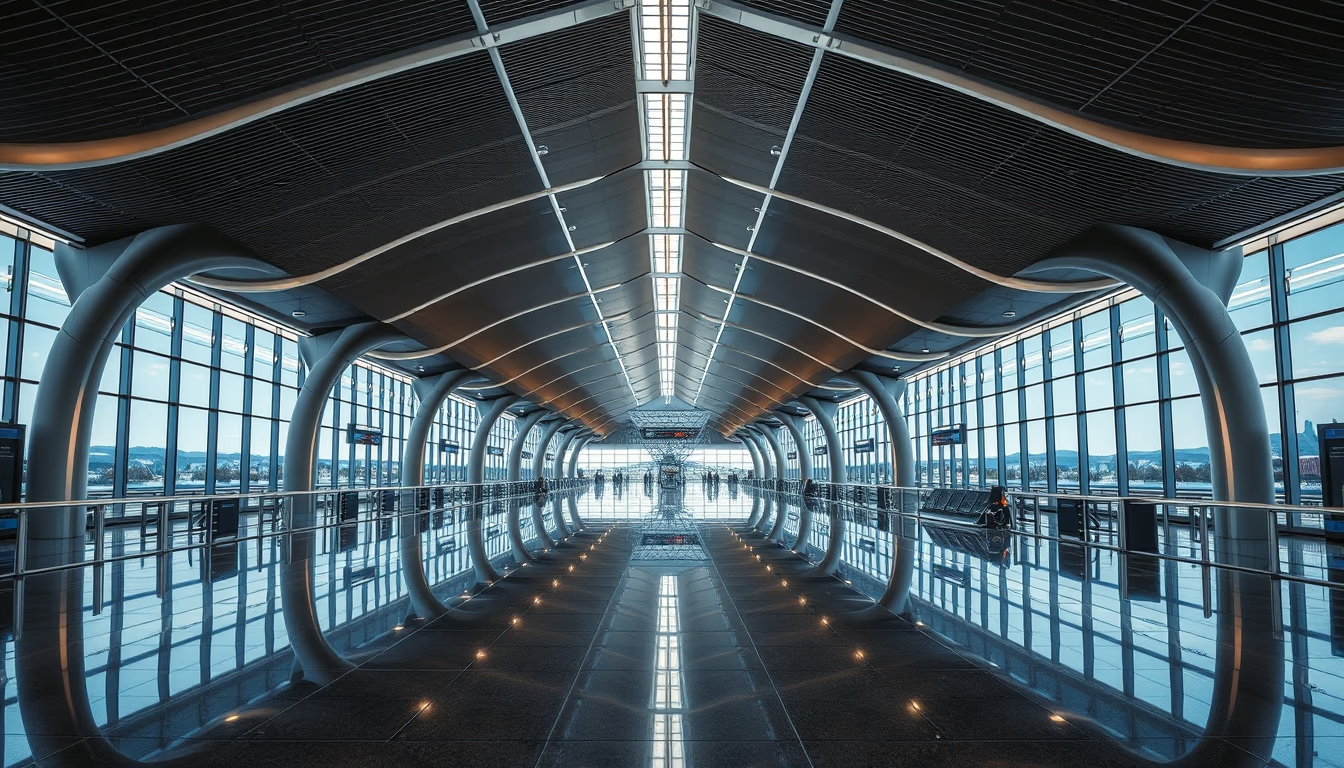
High-speed train stations are designed as multimodal hubs that articulate different means of transport, reducing travel time between metropolitan regions. Iconic examples include Tokyo Station, the heart of Japan's Shinkansen, and Gare de Lyon in Paris, departure point for the TGV. These structures combine functionality with striking architecture, often using large glass spans and metal roofs to facilitate passenger flow.
Globally, high-speed stations are becoming urban development poles, attracting commerce, services, and offices. Berlin Hauptbahnhof, inaugurated in 2006, exemplifies how a station can revitalize an entire neighborhood. With seven levels and platforms on two axes, it became one of Europe's largest transport centers, handling about 350,000 travelers per day.
Technology also plays a role in passenger flow management, with digital displays, smart baggage systems, and high-speed Wi-Fi. In recent years, countries like China and Spain have aggressively expanded their high-speed networks, and stations have incorporated sustainable features such as solar energy capture and water reuse systems. In Brazil, although a consolidated network does not yet exist, projects like the Rio-SP High-Speed Train (canceled in 2015) and the Intercity Train (ongoing) indicate that the model can be adapted to the future, leveraging global experience to create integrated and efficient stations.
Frequently Asked Questions
What is the busiest high-speed train station in the world?
Tokyo Station is one of the busiest, handling over 400,000 Shinkansen passengers daily plus conventional lines. Another candidate is Beijing South Station, serving the Beijing-Shanghai high-speed line.
How are high-speed stations designed for sustainability?
Many modern stations use solar panel roofs, LED lighting, rainwater harvesting, and natural ventilation. Antwerp-Central station in Belgium is an example of integrating historic heritage with energy efficiency.
Are there plans for high-speed train stations in Brazil?
Yes, the Intercity Train project between São Paulo and Campinas is under study and bidding. The planned station in São Paulo would be integrated with the subway system, following the international model of multimodal hubs.
Direct URL
https://pub-c7d6a6ea828543ac903a74a341ccb2e1.r2.dev/imagens/high-speed-train-station-aerial-drone-shot-p4.avifHow to credit
Include a visible link back to UtilizAí. Copy one of the snippets below:
<a href="https://xn--utiliza-eza.com/en/midia/imagens/high-speed-train-station-aerial-drone-shot-p4">High speed train station</a> by <a href="https://xn--utiliza-eza.com">UtilizAí</a>, licensed under <a href="https://creativecommons.org/licenses/by/4.0/">CC BY 4.0</a>.
[High speed train station](https://xn--utiliza-eza.com/en/midia/imagens/high-speed-train-station-aerial-drone-shot-p4) by [UtilizAí](https://xn--utiliza-eza.com), CC BY 4.0
License: CC-BY-4.0