Hand counting Brazilian Real on a wooden desk with calculator
1344×768 · AVIF · CC BY 4.0
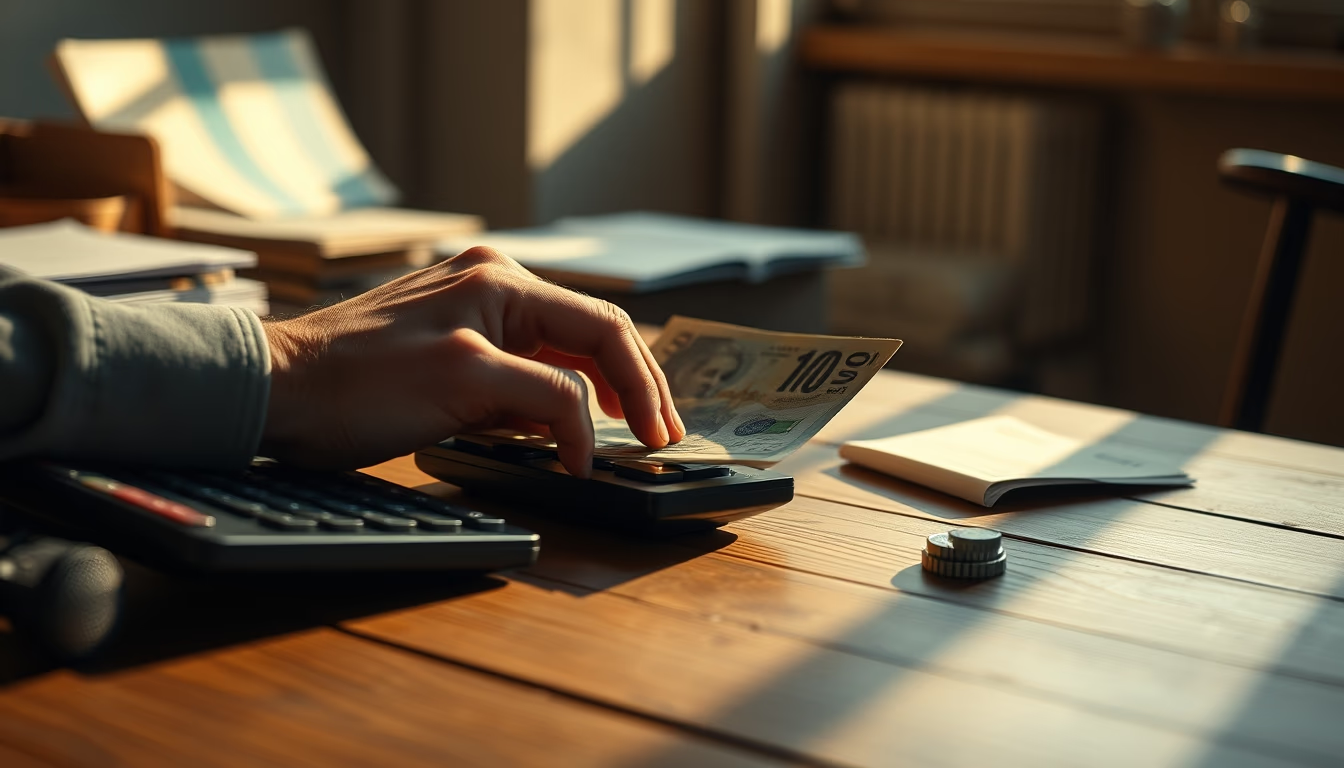
Hand counting Brazilian Real banknotes on a wooden desk with a calculator and coins, in a personal finance context.
About this subject
The Brazilian Real, introduced on July 1, 1994, during President Itamar Franco's administration, is Brazil's official currency. Its symbol is R$ and its ISO 4217 code is BRL. The R$ 100 banknote, shown in the image, features a grouper (a typical Brazilian fish) and was the last to be released in the first family of the Real Plan, in 1994. Currently, Brazil has a second family of banknotes, launched from 2010 onward, with modern security features such as watermarks, holographic strips, and color-shifting numbers.
Counting cash manually is still common in Brazil, especially at street markets, small businesses, and among informal workers. Despite the rise of digital payments (Pix, cards), physical cash accounts for about 20% of transactions in the country, according to the Central Bank. The calculator nearby suggests the user is checking amounts or budgeting, a routine for micro-entrepreneurs and freelancers.
The wooden desk and late afternoon lighting evoke a homey or simple office setting. This scene is familiar to many Brazilians who manage their finances manually, whether to save, pay bills, or plan expenses. The act of counting banknotes also carries cultural weight: in regions like the Northeast, it is common to see market vendors handling large amounts of cash during sales.
Trivia: the R$ 100 note is the highest denomination in circulation and is often targeted by counterfeiters. The Central Bank estimates that in 2023, the counterfeiting rate was about 8 fake notes per 1 million genuine ones. That is why many merchants use detector pens or magnifiers to verify authenticity, although in the image the person relies on manual counting.
Frequently Asked Questions
When was the Real introduced in Brazil?
The Real was introduced on July 1, 1994, as part of the Plano Real, which stabilized the Brazilian economy and curbed hyperinflation.
What is the highest denomination of the Real?
The highest denomination is the R$ 100 note. It features a grouper on the first family and a ray on the second family.
Why do people still count cash manually in Brazil?
Despite digital payments, physical cash is used in about 20% of transactions, especially in small shops, markets, and rural areas, where manual counting is common practice.
Direct URL
https://pub-c7d6a6ea828543ac903a74a341ccb2e1.r2.dev/imagens/hand-counting-brazilian-real-on-a-wooden-desk-with-calculator-wide-late-afternoon-5.avifHow to credit
Include a visible link back to UtilizAí. Copy one of the snippets below:
<a href="https://xn--utiliza-eza.com/en/midia/imagens/hand-counting-brazilian-real-on-a-wooden-desk-with-calculator-wide-late-afternoon-5">Hand counting Brazilian Real on a wooden desk with calculator</a> by <a href="https://xn--utiliza-eza.com">UtilizAí</a>, licensed under <a href="https://creativecommons.org/licenses/by/4.0/">CC BY 4.0</a>.
[Hand counting Brazilian Real on a wooden desk with calculator](https://xn--utiliza-eza.com/en/midia/imagens/hand-counting-brazilian-real-on-a-wooden-desk-with-calculator-wide-late-afternoon-5) by [UtilizAí](https://xn--utiliza-eza.com), CC BY 4.0
License: CC-BY-4.0
Tags
Related images
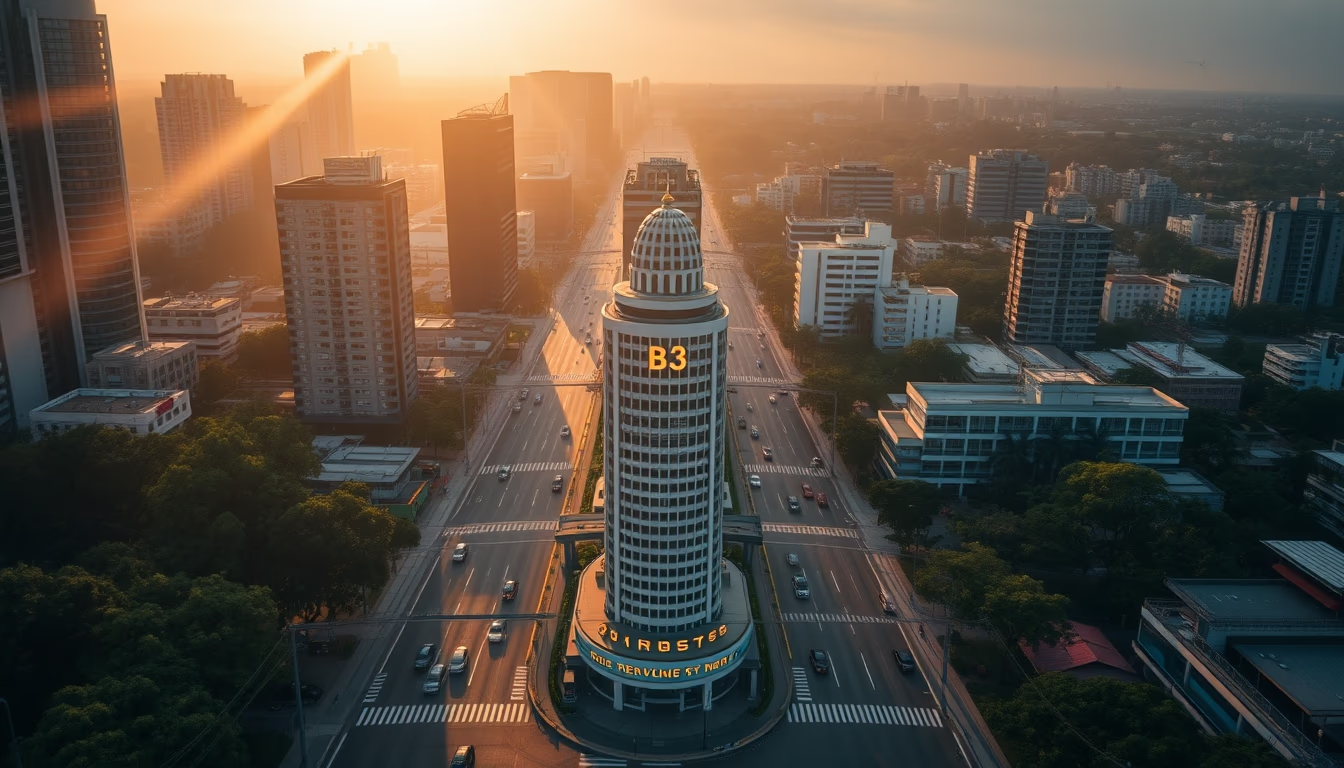 Aerial view of São Paulo financial district at golden hour with B3 building
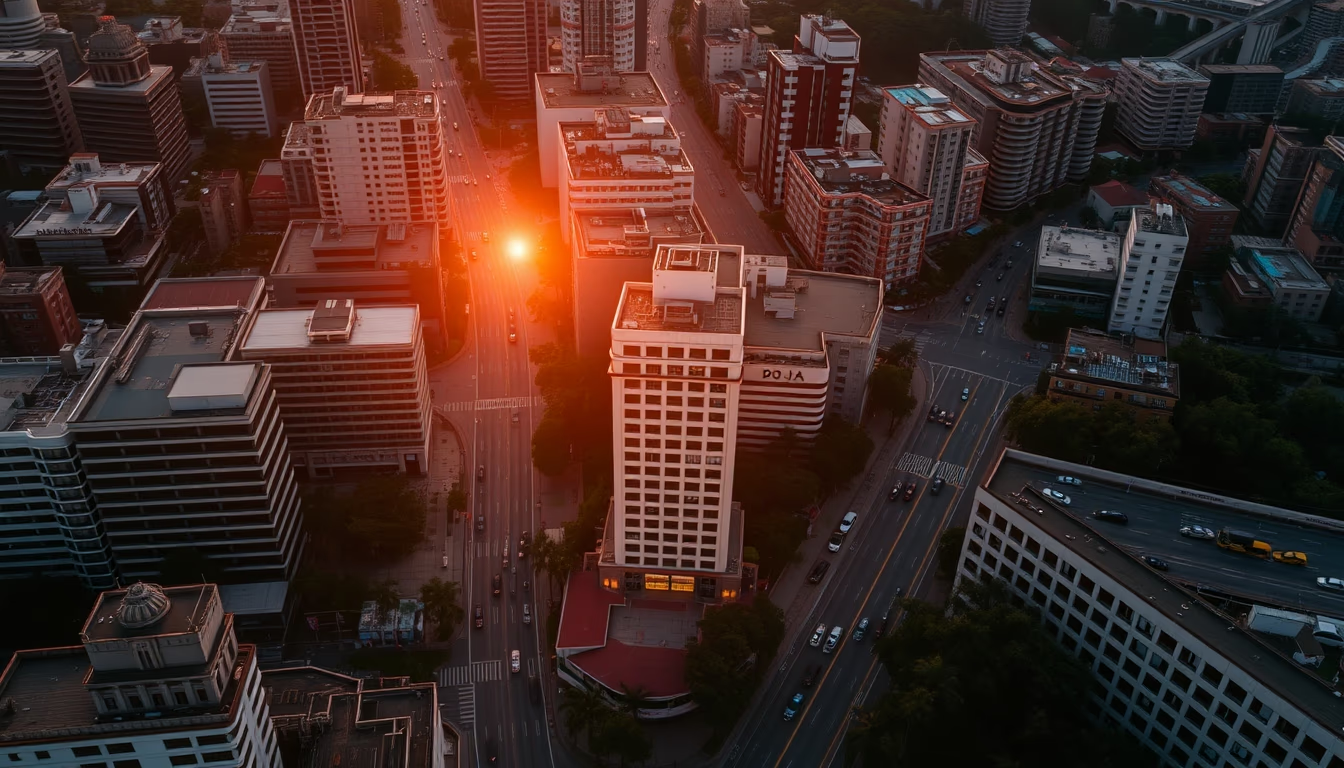 Aerial view of São Paulo financial district at golden hour with B3 building
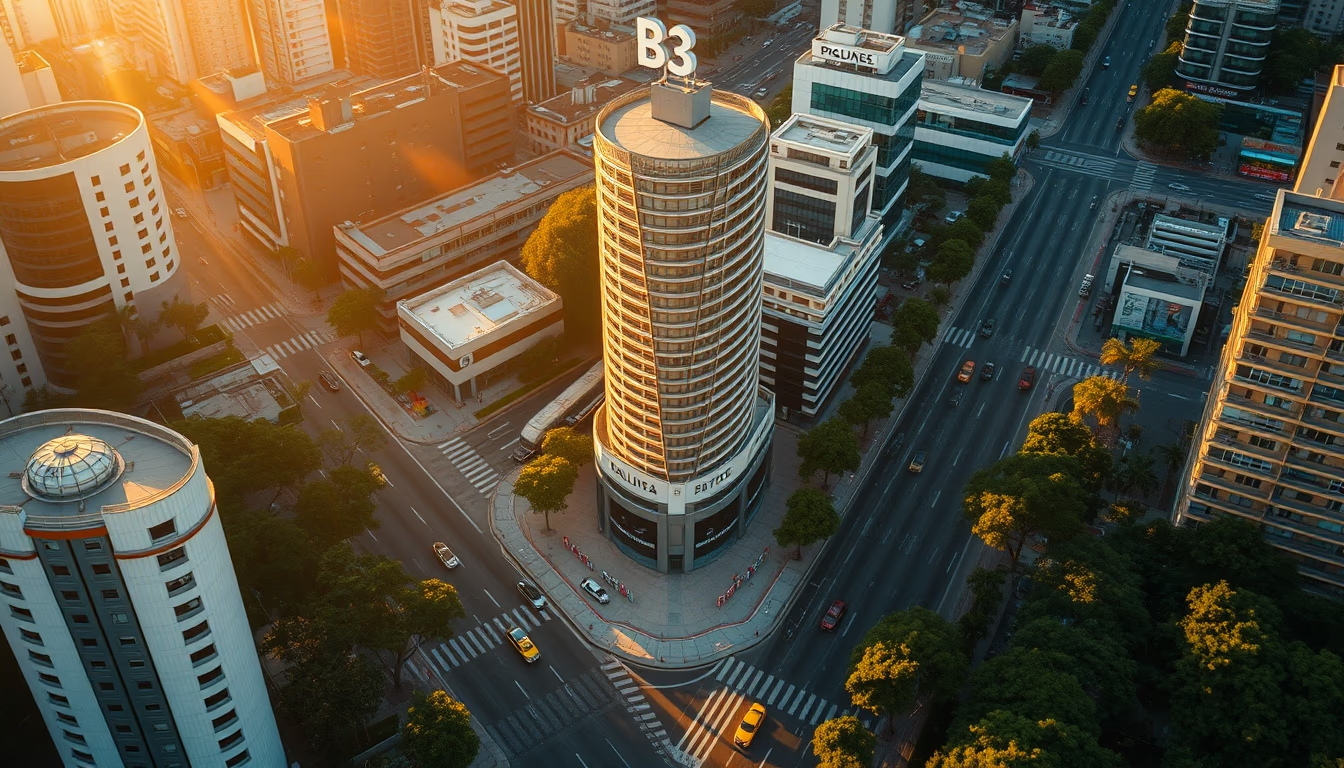 Aerial view of São Paulo financial district at golden hour with B3 building
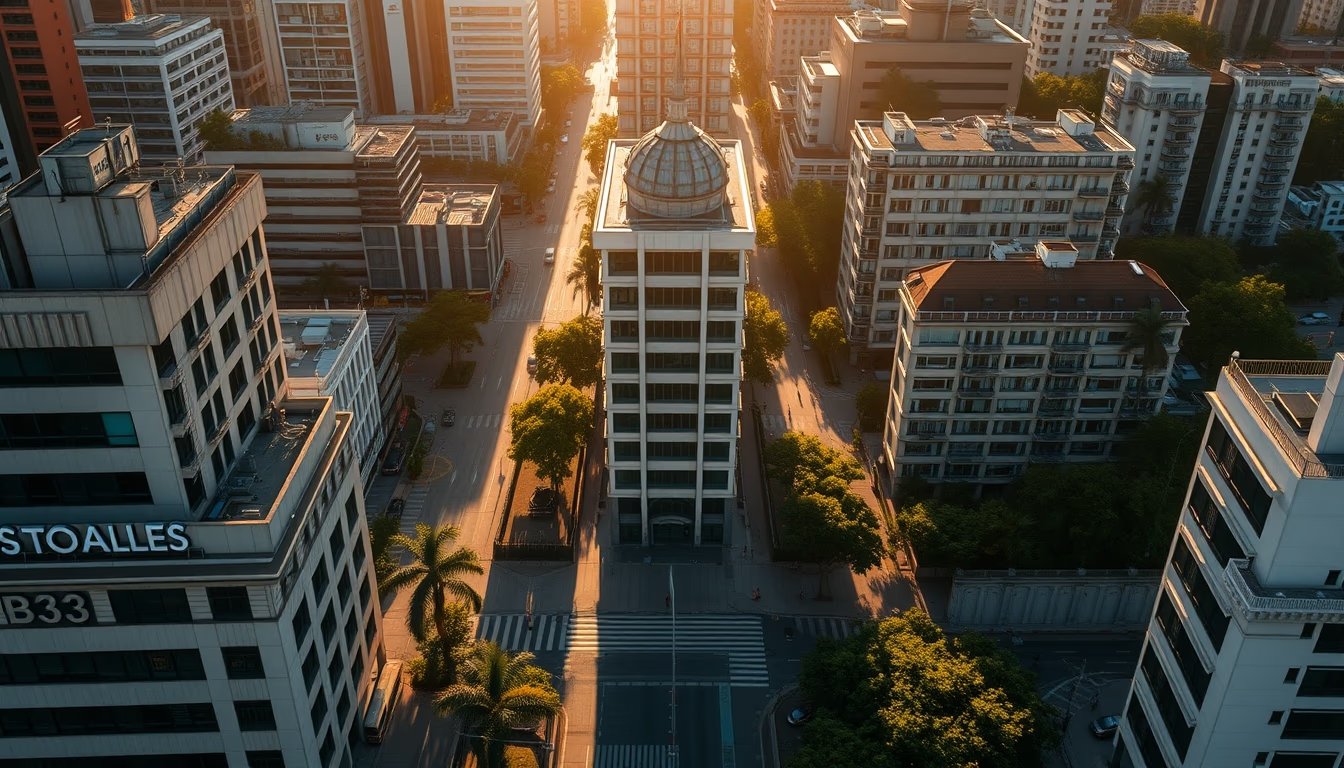 Aerial view of São Paulo financial district at golden hour with B3 building
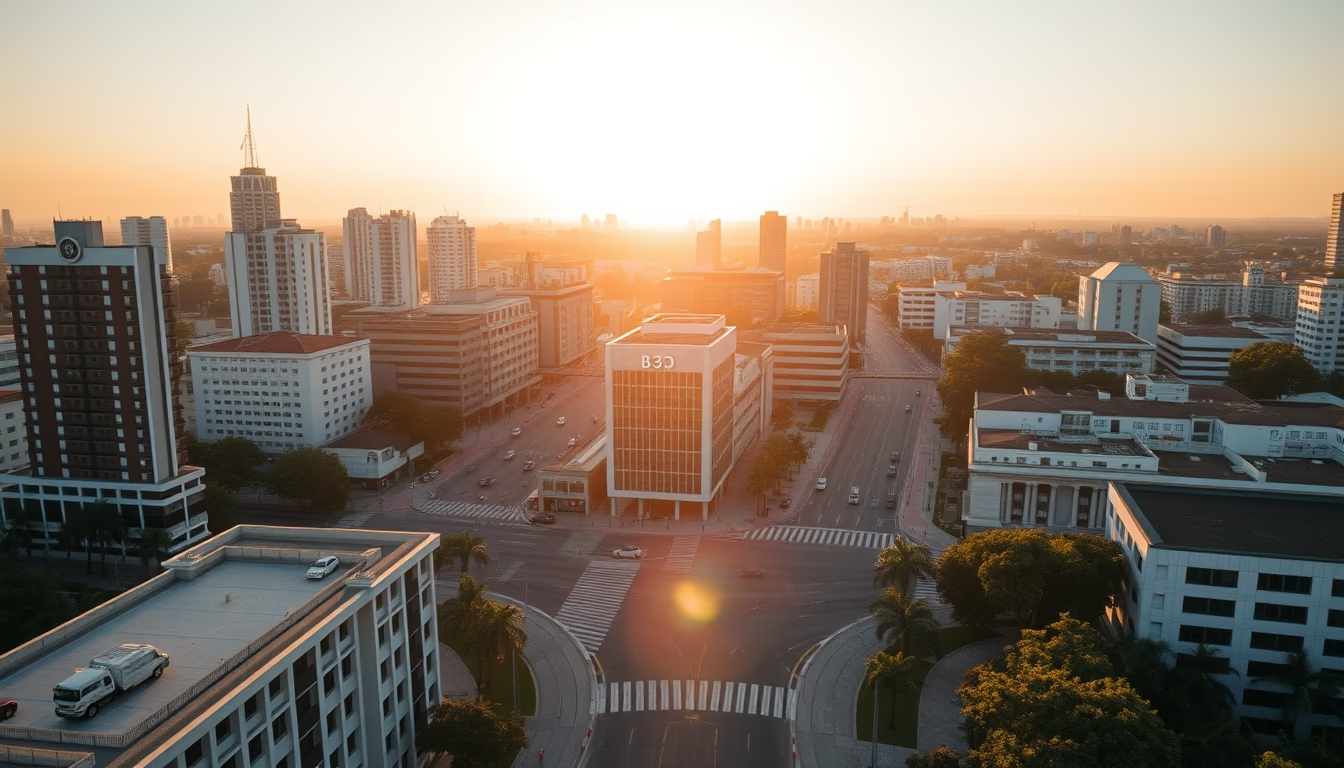 Aerial view of São Paulo financial district at golden hour with B3 building
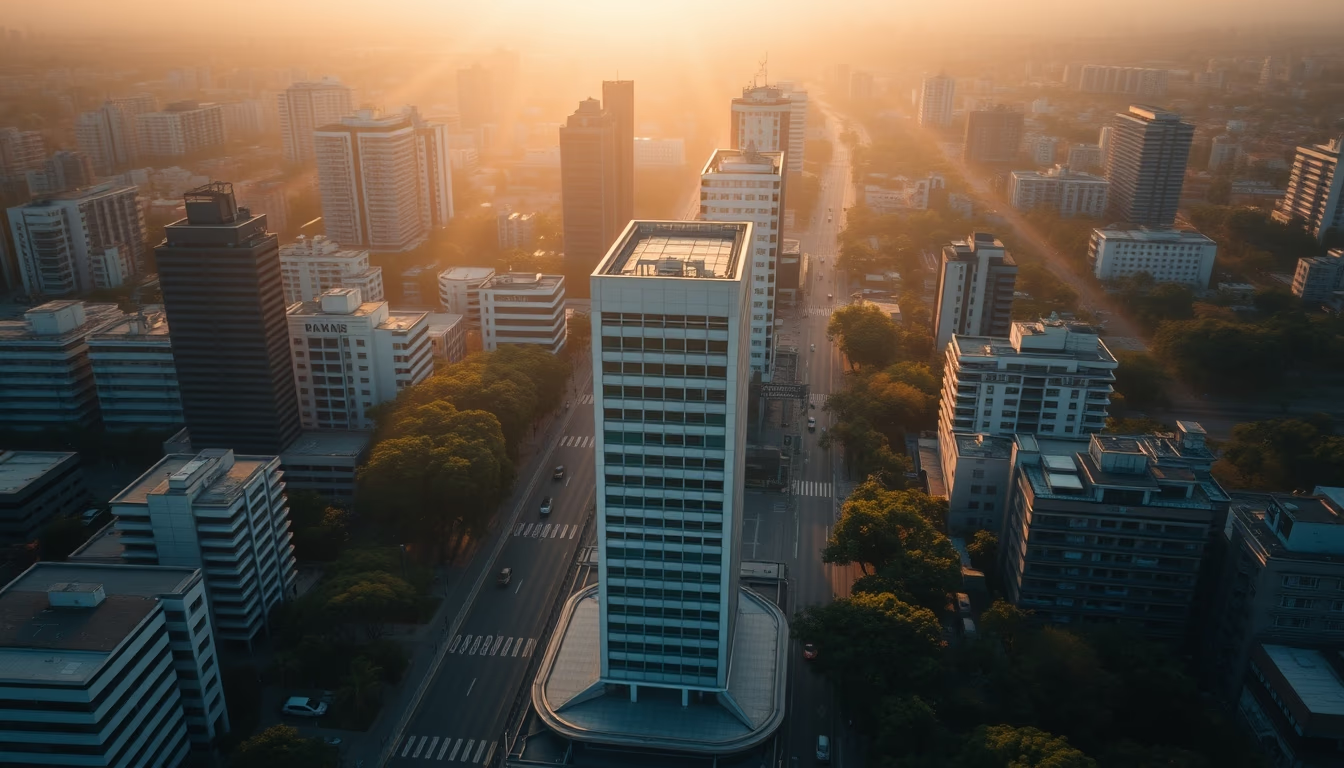 Aerial view of São Paulo financial district at golden hour with B3 building