Hand counting Brazilian Real on a wooden desk with calculator
1344×768 · AVIF · CC BY 4.0
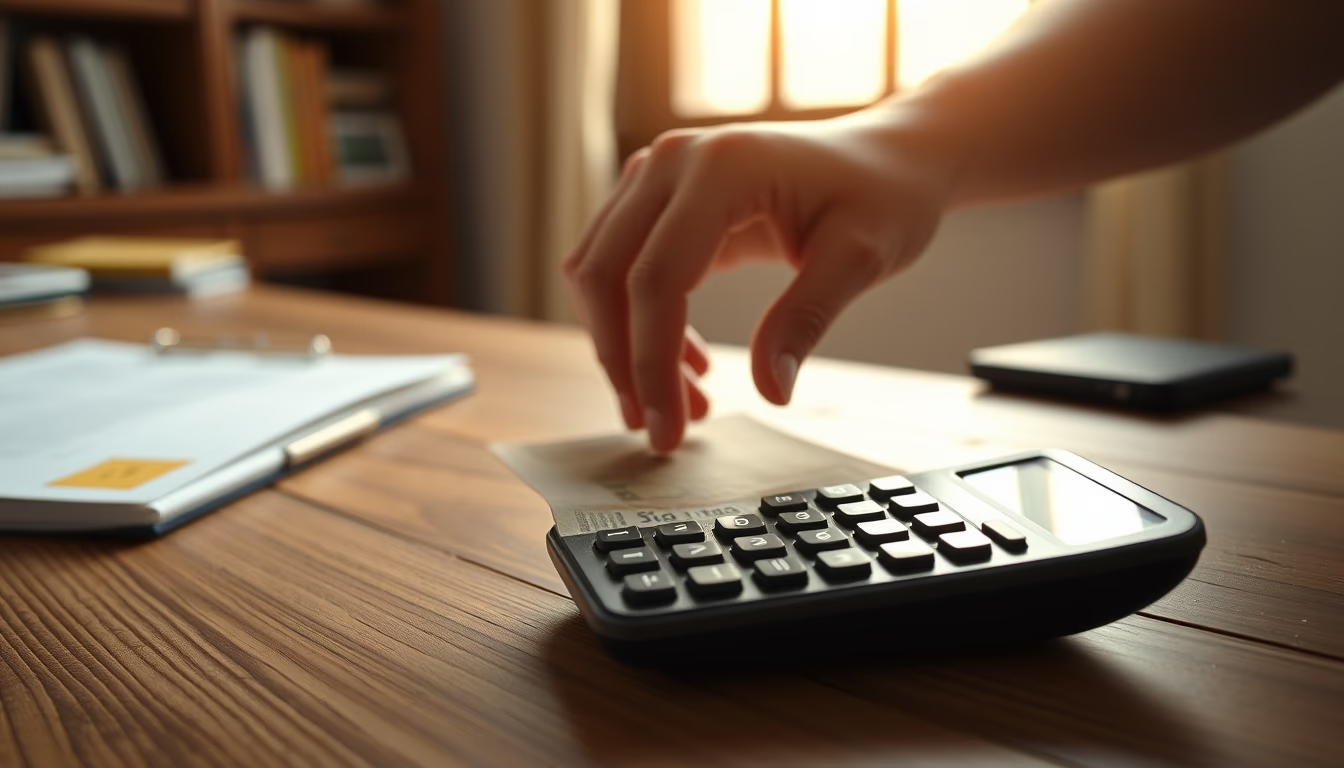
Hand counting Brazilian Real banknotes on a wooden desk with a calculator, under the diffuse natural light of an overcast day.
About this subject
The Brazilian Real (R$) has been the official currency of Brazil since July 1, 1994, introduced by the Plano Real, a set of economic measures that ended the hyperinflation plaguing the country. The current banknotes, from the second family of the Real, were launched between 2010 and 2012 and feature animals from Brazilian fauna: the R$ 2 note has the hawksbill turtle, R$ 5 the heron, R$ 10 the macaw, R$ 20 the golden lion tamarin, R$ 50 the jaguar, and R$ 100 the grouper. Each note has different sizes to aid visually impaired people, along with security features like watermarks, tactile relief, and security threads.
Manual cash counting is still common in small businesses, street markets, and newsstands in Brazil, especially where access to counting machines is limited. The calculator next to the notes indicates that the process involves not just summing values but also verifying change or separating amounts for payments. On overcast days, diffuse natural light reduces glare and makes it easier to check security details on the bills.
The act of manually counting money carries cultural significance: it is seen as a gesture of care and attention to business, often associated with small entrepreneurs managing their own cash flow. Despite the rise of digital payments in Brazil, about 30% of transactions are still made in cash, according to the Central Bank, keeping this daily practice alive.
The wooden desk, common in Brazilian offices and homes, provides a stable surface for organizing the banknotes. The image captures a moment of financial routine where precision is essential to avoid errors that could impact a business or family budget.
Frequently Asked Questions
What are the main security features of Brazilian Real banknotes?
The second family of Real banknotes features watermarks, tactile relief on specific elements, security threads, and color-shifting numbers. Each denomination also has a different size to aid the visually impaired.
Why is manual cash counting still common in Brazil?
Many small businesses and street markets lack access to bill counting machines due to cost or lack of electricity. Additionally, manual counting is seen as a careful, traditional method of verification.
What does the diffuse natural light of an overcast day mean in the image?
Diffuse light reduces shadows and glare, making it easier to see details on the banknotes, such as security features and serial numbers, without glare, thus improving counting accuracy.
Direct URL
https://pub-c7d6a6ea828543ac903a74a341ccb2e1.r2.dev/imagens/hand-counting-brazilian-real-on-a-wooden-desk-with-calculator-editorial-overcast-daytime-4.avifHow to credit
Include a visible link back to UtilizAí. Copy one of the snippets below:
<a href="https://xn--utiliza-eza.com/en/midia/imagens/hand-counting-brazilian-real-on-a-wooden-desk-with-calculator-editorial-overcast-daytime-4">Hand counting Brazilian Real on a wooden desk with calculator</a> by <a href="https://xn--utiliza-eza.com">UtilizAí</a>, licensed under <a href="https://creativecommons.org/licenses/by/4.0/">CC BY 4.0</a>.
[Hand counting Brazilian Real on a wooden desk with calculator](https://xn--utiliza-eza.com/en/midia/imagens/hand-counting-brazilian-real-on-a-wooden-desk-with-calculator-editorial-overcast-daytime-4) by [UtilizAí](https://xn--utiliza-eza.com), CC BY 4.0
License: CC-BY-4.0
Tags
Related images
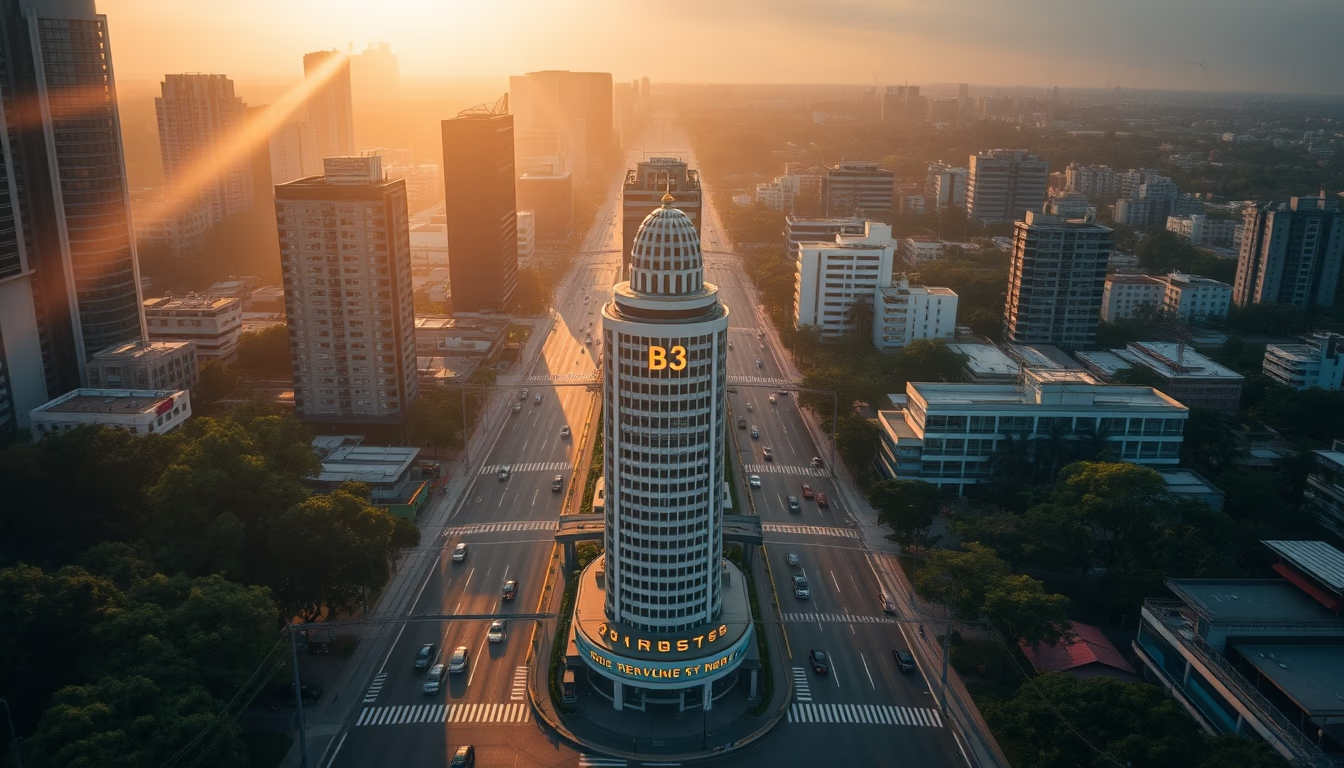 Aerial view of São Paulo financial district at golden hour with B3 building
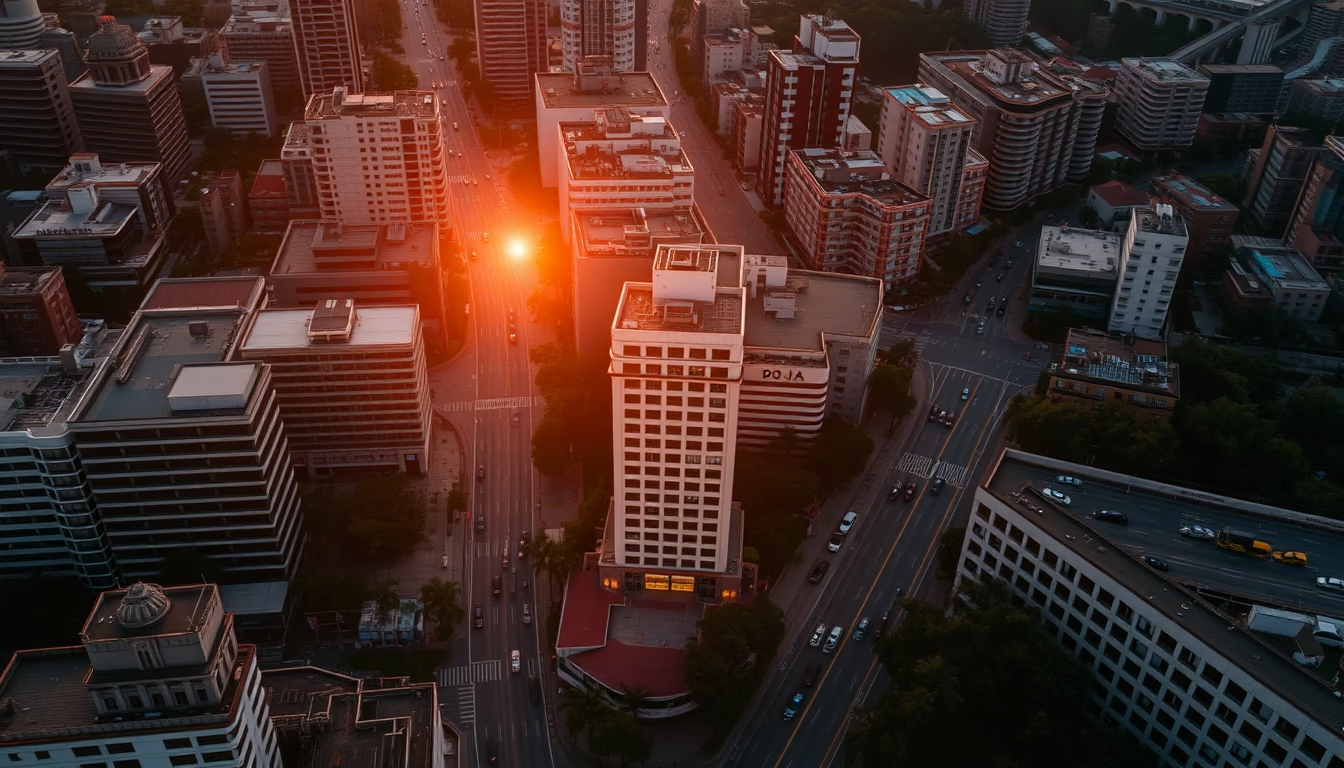 Aerial view of São Paulo financial district at golden hour with B3 building
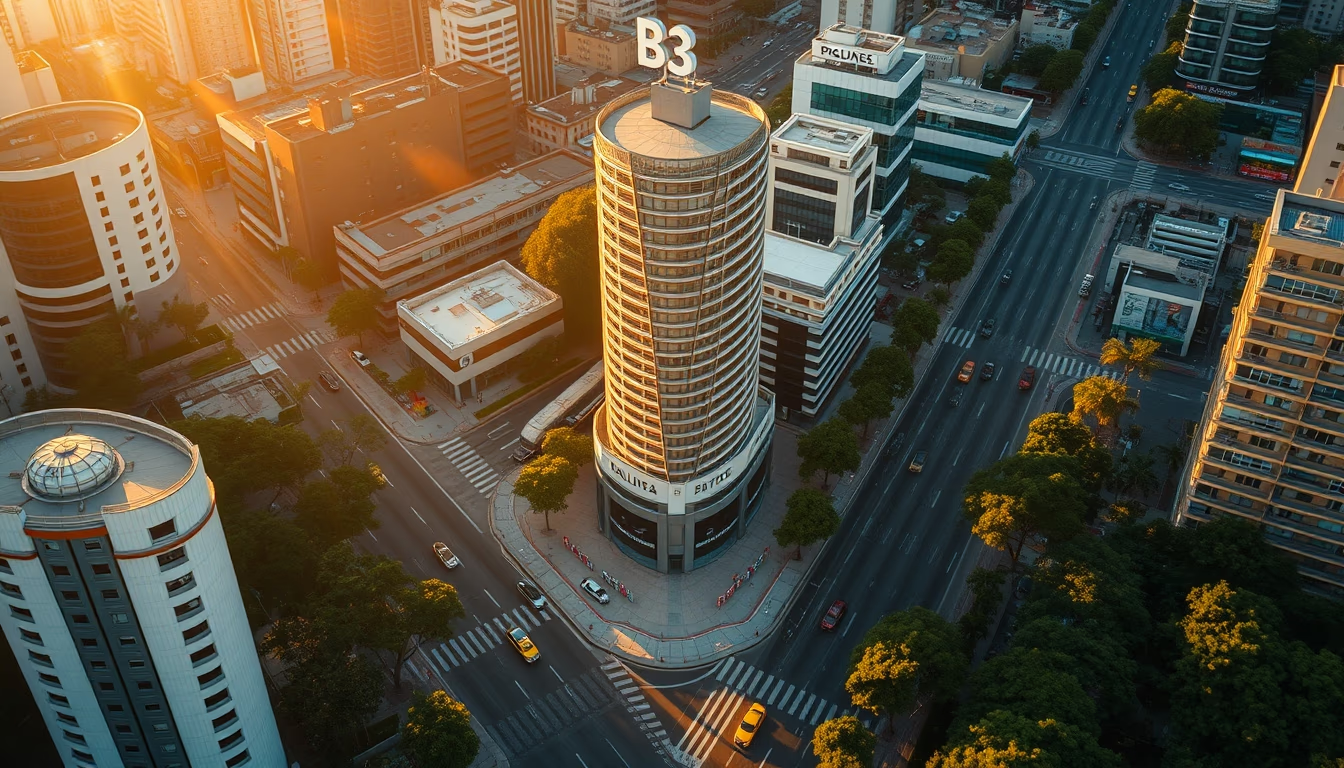 Aerial view of São Paulo financial district at golden hour with B3 building
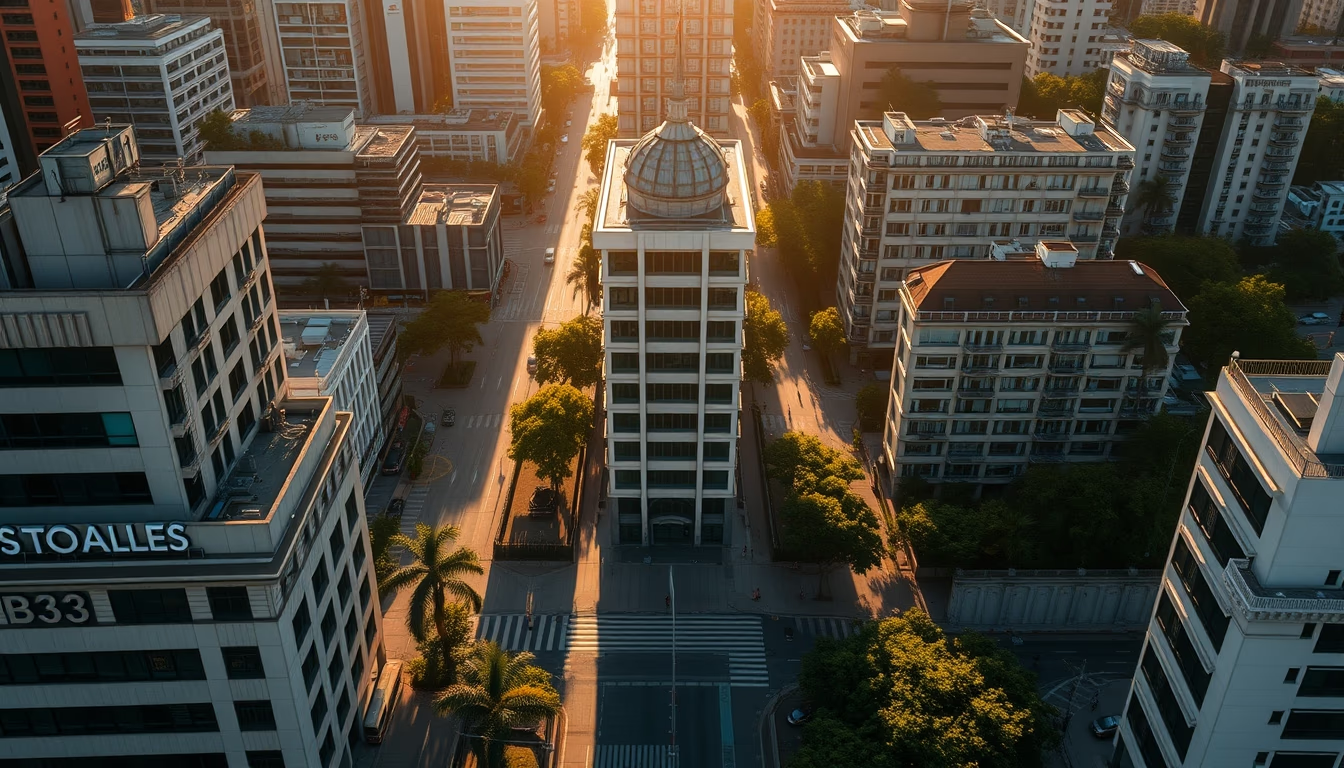 Aerial view of São Paulo financial district at golden hour with B3 building
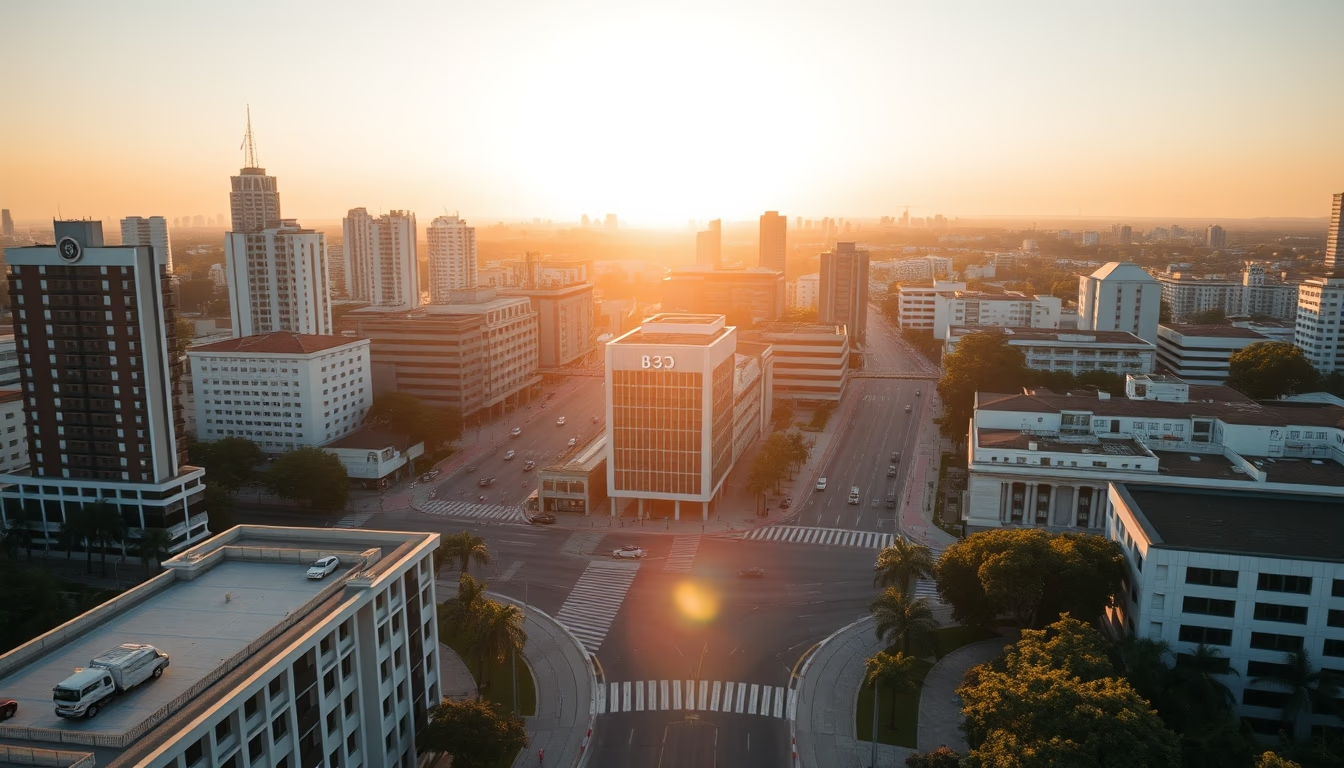 Aerial view of São Paulo financial district at golden hour with B3 building
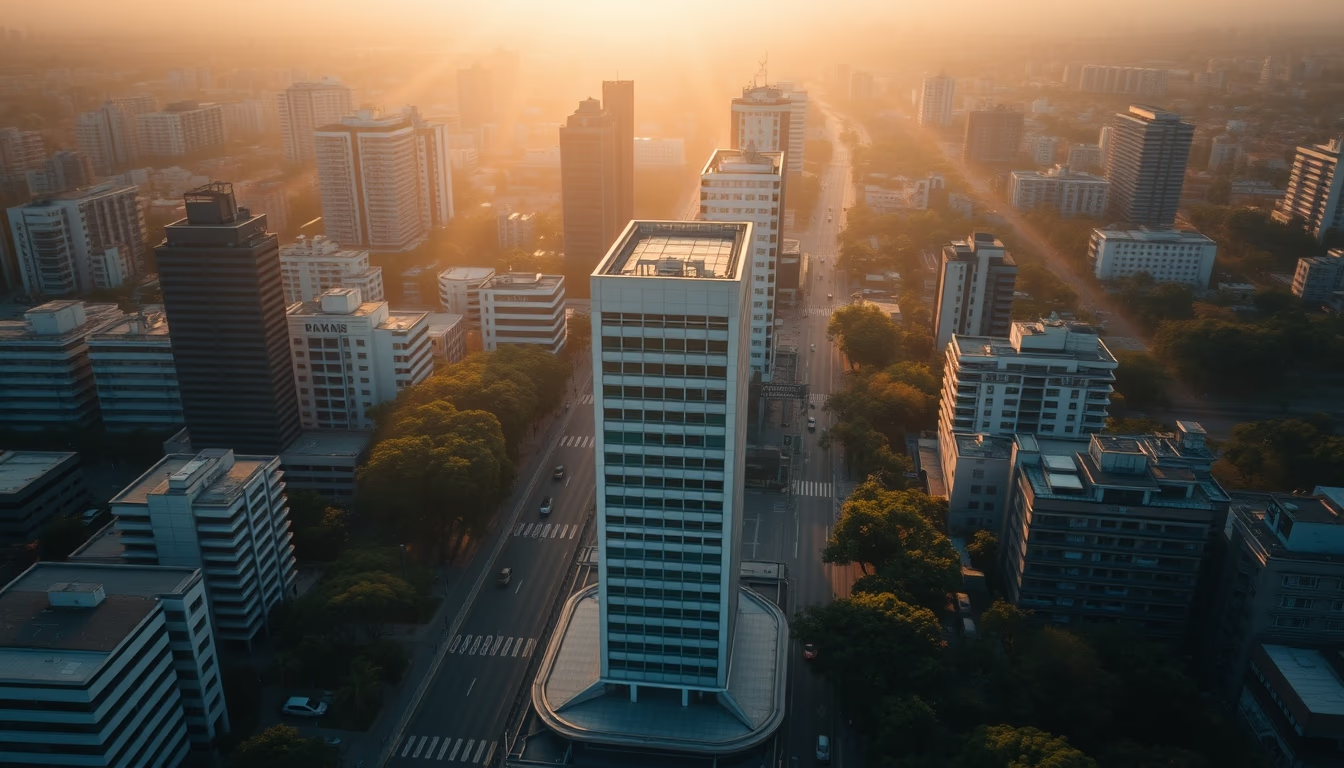 Aerial view of São Paulo financial district at golden hour with B3 building