Hand carved chest cedar
1344×768 · AVIF · CC BY 4.0
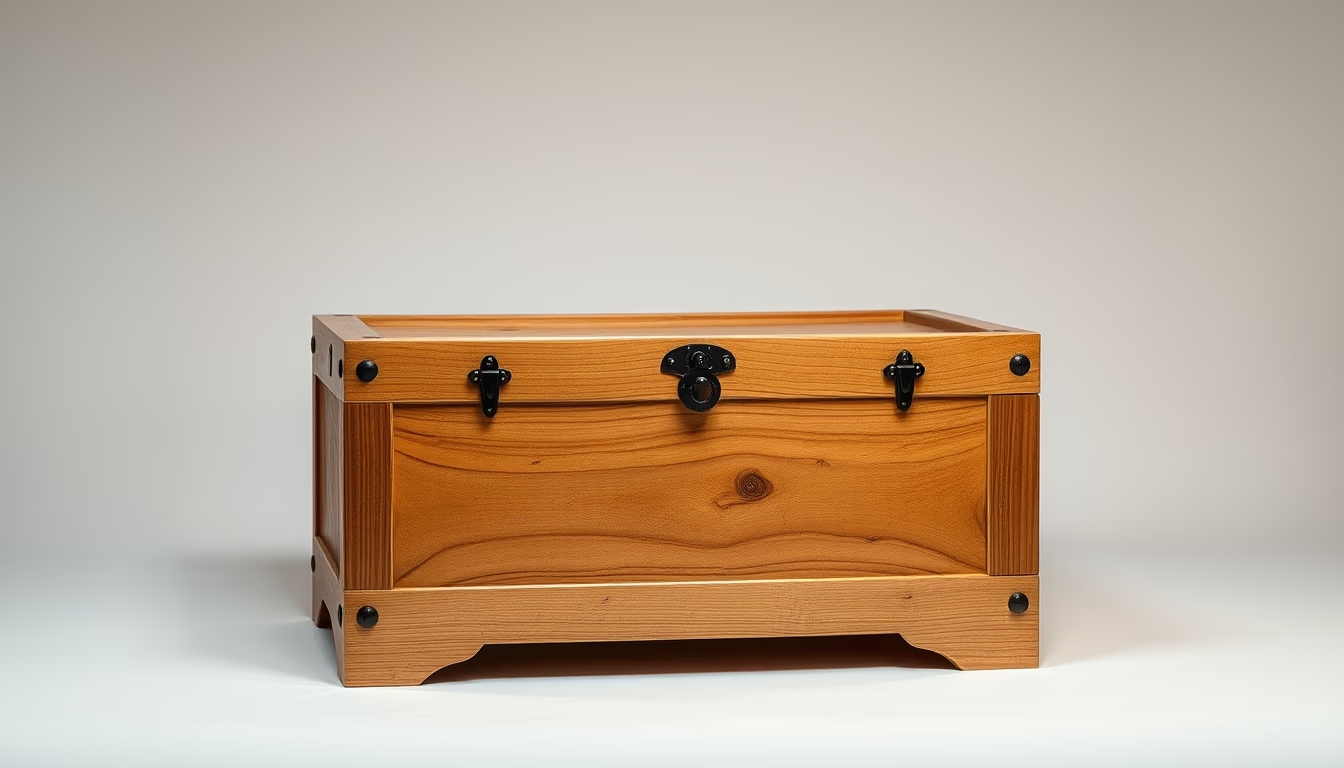
Hand-carved cedar chest, a traditional piece of furniture combining craftsmanship and functionality, known for its durability and distinctive aroma.
About this subject
The hand-carved cedar chest is one of the most emblematic items of artisanal woodworking, especially in regions where cedar wood is abundant, such as South and Central America. Cedar (Cedrela fissilis or Cedrela odorata) is a lightweight wood, resistant to termites, and has a natural aroma that repels insects, making it ideal for storing clothes and valuables. Its fine, uniform grain allows for detailed carvings, ranging from floral motifs to narrative scenes, often inherited from European or Indigenous traditions.
Historically, cedar chests were wedding gifts or dowry items, symbolizing prosperity and protection. In Brazil, the production of these chests was boosted by European immigration in the southern region, especially by German and Italian artisans who brought woodworking techniques. The curved lid (chest lid) and wrought iron hardware are hallmarks. Each piece is unique, as the carving is done manually with chisels and gouges, requiring hours of work.
The preservation of this craft faces challenges: cedar is a protected species in some biomes, and industrial-scale production has reduced demand for handmade chests. However, the vintage furniture market and the appreciation of handmade goods have renewed interest. A well-preserved cedar chest can last centuries, and its gentle aroma is often associated with fond memories. Additionally, cedar is used in making musical instruments and interior paneling, demonstrating its versatility.
Fun fact: true cedar (Cedrela) does not belong to the same family as the cedars of Lebanon (Cedrus), despite the similar name. In Brazil, many different species from various botanical families are commonly called “cedro,” but Cedrela odorata is the woodworker’s choice for its workability and natural resistance to fungi.
Frequently Asked Questions
What is the difference between cedar and mahogany?
Cedar (Cedrela) and mahogany (Swietenia) are both hardwoods, but cedar is lighter, has a distinctive scent, and is less impact-resistant. Mahogany is denser and darker, ideal for fine furniture. Both are regulated due to overharvesting.
How to care for an antique cedar chest?
Avoid direct sunlight and humidity. Clean with a dry or slightly damp cloth. To restore shine, use beeswax or linseed oil. Do not use harsh chemicals.
Does the cedar aroma last forever?
The aroma fades over time but can be revived by lightly sanding the interior surface. The wood still repels insects even without a strong scent, thanks to natural oils.
Direct URL
https://pub-c7d6a6ea828543ac903a74a341ccb2e1.r2.dev/imagens/hand-carved-chest-cedar-studio-still-life-fresh11.avifHow to credit
Include a visible link back to UtilizAí. Copy one of the snippets below:
<a href="https://xn--utiliza-eza.com/en/midia/imagens/hand-carved-chest-cedar-studio-still-life-fresh11">Hand carved chest cedar</a> by <a href="https://xn--utiliza-eza.com">UtilizAí</a>, licensed under <a href="https://creativecommons.org/licenses/by/4.0/">CC BY 4.0</a>.
[Hand carved chest cedar](https://xn--utiliza-eza.com/en/midia/imagens/hand-carved-chest-cedar-studio-still-life-fresh11) by [UtilizAí](https://xn--utiliza-eza.com), CC BY 4.0
License: CC-BY-4.0