Hand carved chest cedar
1344×768 · AVIF · CC BY 4.0
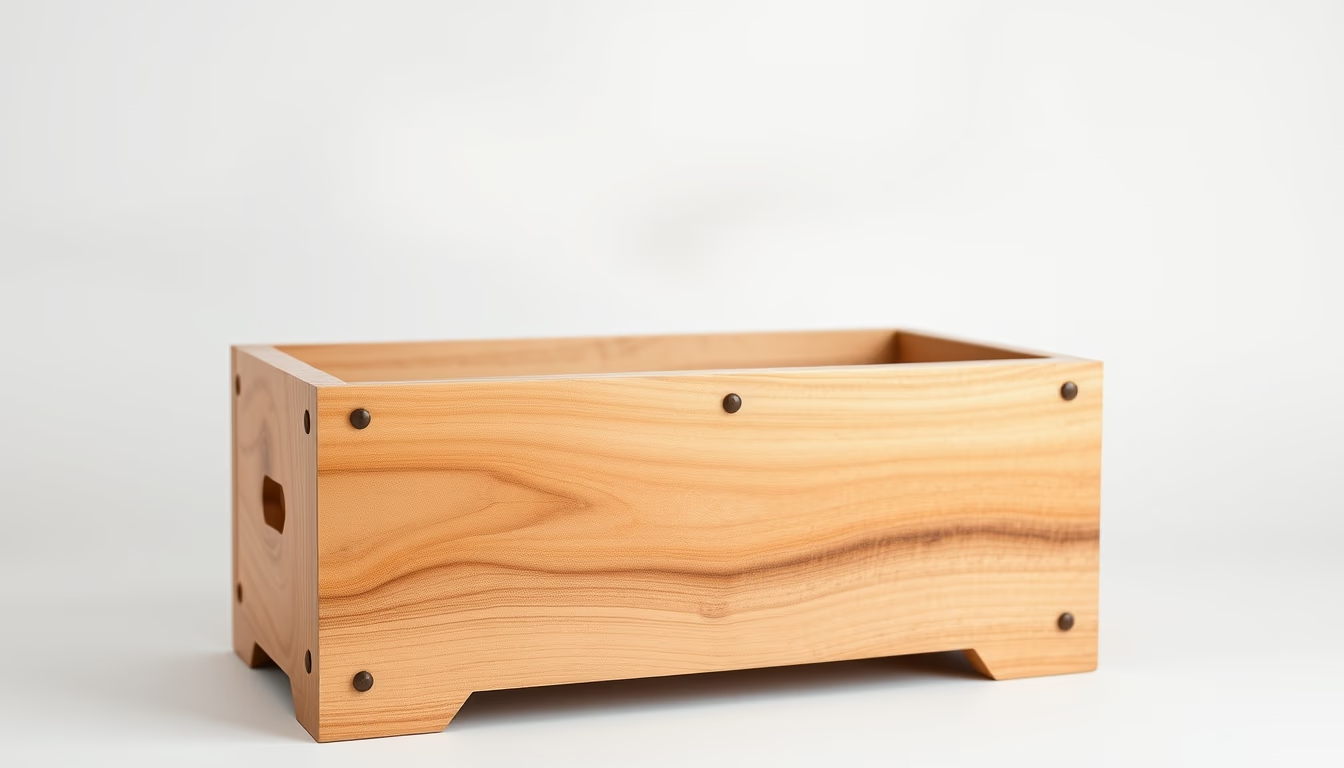
Hand-carved cedar chest: a piece of artisanal furniture combining noble wood, traditional woodworking techniques, and functional design.
About this subject
The hand-carved cedar chest is a classic piece of woodworking, prized for both the wood's durability and the artisan carving. Cedar, especially Spanish cedar (Cedrela odorata) or Western red cedar (Thuja plicata), is a lightweight wood resistant to termites and with a distinctive aroma. For centuries, it has been used to make chests, cabinets, and paneling. Its natural insect-repelling and moisture-absorbing properties make it ideal for storing clothes, linens, and valuables.
The manufacturing process begins with selecting air-dried cedar planks, which are cut and joined using mortise-and-tenon joints or hide glue. Lids are often curved using steam and molds, a technique that requires precision to prevent cracking. The carving, executed with chisels and gouges, may feature floral, geometric, or animal motifs influenced by local traditions. In Brazil, wood carving reflects colonial Baroque and indigenous art, resulting in unique pieces.
Beyond aesthetics, the carved cedar chest serves practical purposes: the hinged lid with brass hinges provides easy access, and side handles aid in transportation. Many antique chests still exist in historic mansions and serve as family heirlooms. To maintain the piece, avoid direct sunlight and apply beeswax annually to preserve the wood's color and luster.
Interestingly, cedar is also used in musical instruments like guitars and violins for its resonance. In the 19th century, cedar trunks were used as steamer trunks on ships, storing immigrants' belongings. Today, the artisan chest is valued as decorative and functional furniture, blending history, art, and utility.
Frequently Asked Questions
Why is cedar preferred for chests over other woods?
Cedar is naturally resistant to termites and moths, absorbs moisture, and releases a pleasant aroma that repels insects. It is also lightweight and easy to carve, making it ideal for detailed carving.
How can I identify a quality hand-carved cedar chest?
Check that joints are made with mortise-and-tenon or hide glue, not staples. Carving should have varied depth and smooth finish. The hinged lid should open easily and hinges should be solid brass.
What is the best way to preserve an antique cedar chest?
Keep the chest away from direct sunlight and heat sources. Clean with a dry cloth and apply pure beeswax once a year. Avoid chemical products that dry out the wood.
Direct URL
https://pub-c7d6a6ea828543ac903a74a341ccb2e1.r2.dev/imagens/hand-carved-chest-cedar-commercial-product-photography-fresh5.avifHow to credit
Include a visible link back to UtilizAí. Copy one of the snippets below:
<a href="https://xn--utiliza-eza.com/en/midia/imagens/hand-carved-chest-cedar-commercial-product-photography-fresh5">Hand carved chest cedar</a> by <a href="https://xn--utiliza-eza.com">UtilizAí</a>, licensed under <a href="https://creativecommons.org/licenses/by/4.0/">CC BY 4.0</a>.
[Hand carved chest cedar](https://xn--utiliza-eza.com/en/midia/imagens/hand-carved-chest-cedar-commercial-product-photography-fresh5) by [UtilizAí](https://xn--utiliza-eza.com), CC BY 4.0
License: CC-BY-4.0