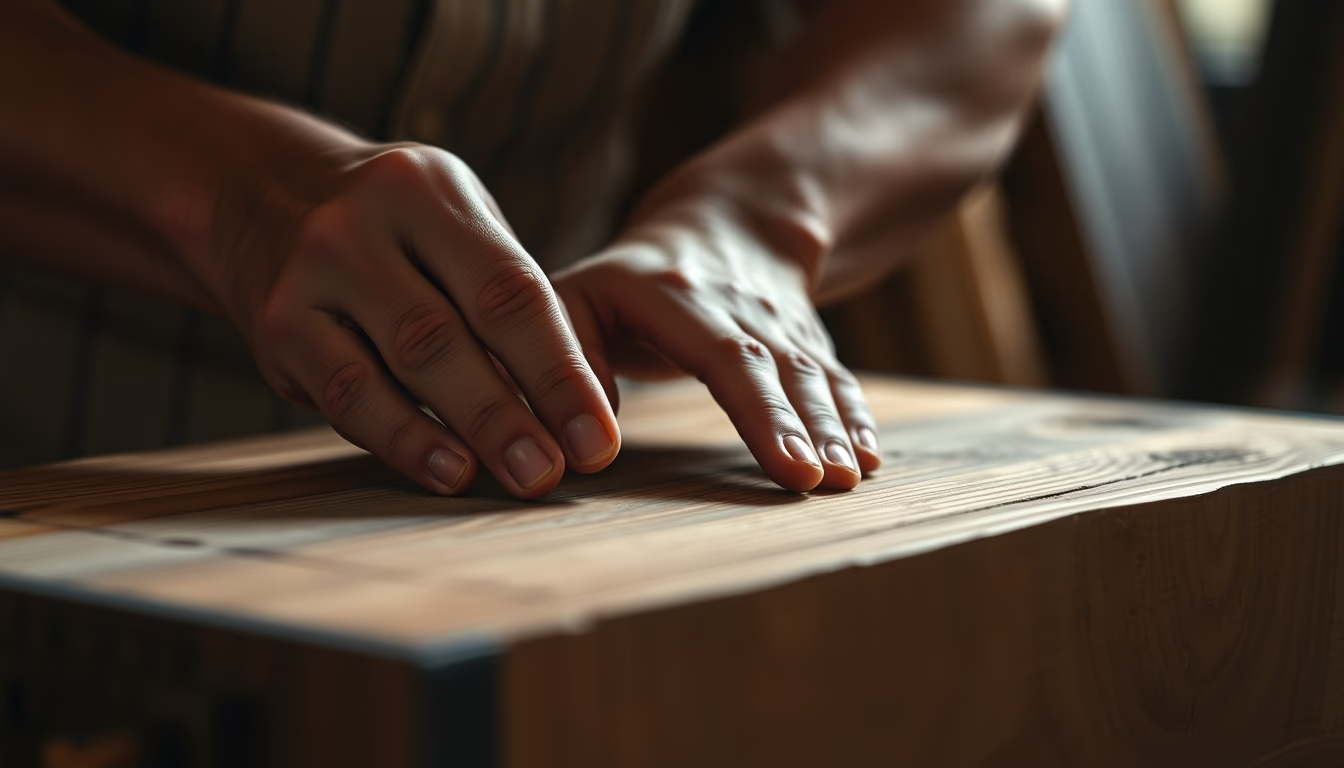
Hand carved chest cedar
1344×768 · AVIF · CC BY 4.0
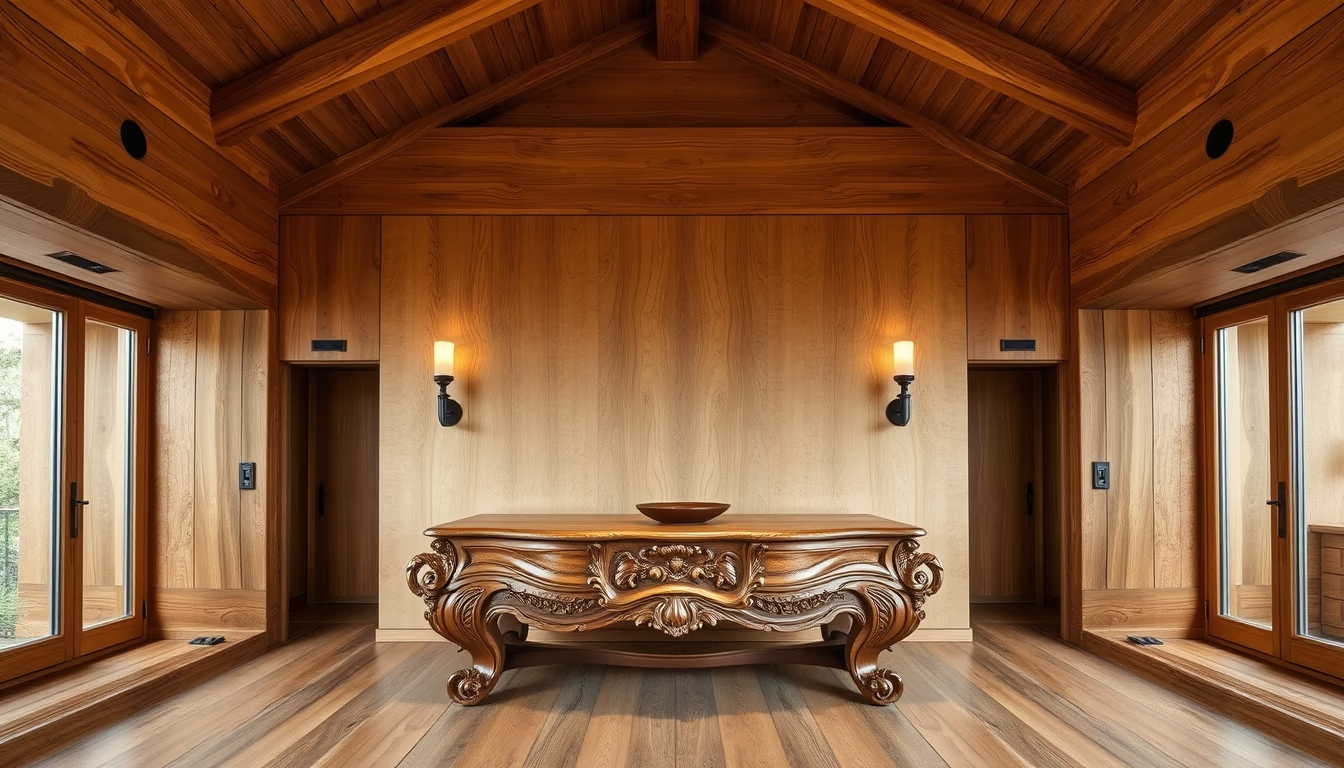
Hand-carved cedar chest merges art and utility, preserving woodworking traditions dating back to 19th-century Brazil.
About this subject
The hand-carved cedar chest is a piece of furniture that exemplifies Brazilian artisanal woodworking. Cedar, a noble and aromatic wood, is known for its durability, lightness, and natural resistance to termites and fungi, making it ideal for storage chests. Hand-carved pieces require hours of meticulous work from specialized craftsmen, who use gouges and chisels to create geometric, floral, or rural scene designs. In Brazil, this tradition arrived with Portuguese colonizers and developed especially in the south, where European immigrants refined carving techniques. Cedar chests were common in wedding dowries and stored clothes, linens, and documents, being passed down through generations as family heirlooms.
Hand-carving technique demands not only skill but also deep knowledge of the wood. Artisans first sketch the design in pencil, then carve progressive layers to create relief and shadows. Cedar, soft enough to carve yet sturdy, allows for fine details that enhance the piece. Each chest is unique, as hand carving never produces identical copies. The appreciation of this craft has grown in recent years, with collectors and decorators seeking original pieces for rustic or eclectic interiors. However, artisanal production faces challenges such as a shortage of skilled labor and competition from low-cost industrial furniture.
To preserve a carved cedar chest, avoid direct sunlight and excessive humidity, which can crack the wood. Periodic application of beeswax or linseed oil helps maintain shine and protection. Interestingly, cedar's characteristic aroma not only pleases the sense of smell but also acts as a natural moth repellent, protecting stored fabrics. Antique pieces may have brass or wrought iron hardware that complements the design. Today, some contemporary woodworkers reinterpret the traditional chest with minimalist forms while keeping hand carving as a distinctive mark.
Frequently Asked Questions
What is the difference between cedar and other woods used in furniture?
Cedar is lighter than mahogany and oak, has a characteristic aroma, and naturally repels insects like moths and termites. Its texture is soft, facilitating carving, yet still durable. Unlike pine, it does not ooze resin and is more dimensionally stable, reducing warping.
How to identify a hand-carved chest?
Look for tool marks: hand carvings have subtle irregularities and varying depth, while machines produce perfectly uniform cuts. Additionally, handmade pieces often feature the artisan's signature or unique details, such as slight variations in the design.
What is the origin of cedar chests in Brazil?
The tradition arrived with Portuguese colonizers in the 16th century, but became popular in the 19th century, especially in the South, where German and Italian immigrants refined carving techniques. Chests were essential items in trousseaus and travels, symbolizing status and protection of belongings.
Direct URL
https://pub-c7d6a6ea828543ac903a74a341ccb2e1.r2.dev/imagens/hand-carved-chest-cedar-architectural-photography-fresh8.avifHow to credit
Include a visible link back to UtilizAí. Copy one of the snippets below:
<a href="https://xn--utiliza-eza.com/en/midia/imagens/hand-carved-chest-cedar-architectural-photography-fresh8">Hand carved chest cedar</a> by <a href="https://xn--utiliza-eza.com">UtilizAí</a>, licensed under <a href="https://creativecommons.org/licenses/by/4.0/">CC BY 4.0</a>.
[Hand carved chest cedar](https://xn--utiliza-eza.com/en/midia/imagens/hand-carved-chest-cedar-architectural-photography-fresh8) by [UtilizAí](https://xn--utiliza-eza.com), CC BY 4.0
License: CC-BY-4.0