Greenhouse interior plants
1344×768 · AVIF · CC BY 4.0
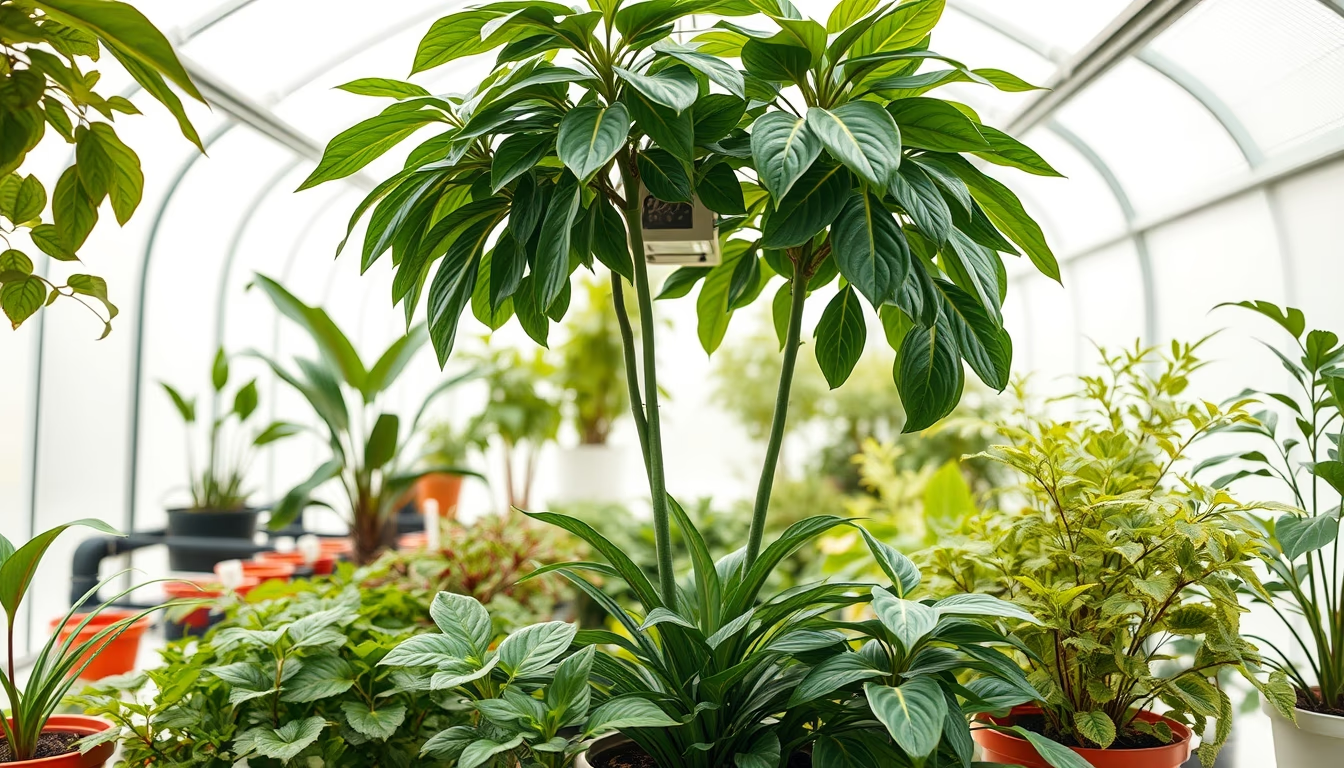
Agricultural greenhouses control climate and extend growing seasons, essential for cultivating vegetables and flowers in Brazil and worldwide.
About this subject
Greenhouses, also known as glasshouses or polyhouses, are structures covered with translucent materials like glass or plastic that allow control over temperature, humidity, and light. Their use in Brazil has grown significantly, especially in the South and Southeast regions, where the production of tomatoes, bell peppers, strawberries, and flowers benefits from the protected environment. This technology reduces losses from pests and weather, and enables off-season harvests, ensuring constant supply.
Globally, the Netherlands leads in greenhouse efficiency, employing hydroponics and geothermal heating. In Brazil, the most common model is the high tunnel greenhouse, with galvanized steel arches and polyethylene covering. Drip irrigation and fertigation are integrated practices that optimize water and nutrient use. Modern greenhouses include climate sensors and automation, reducing operating costs.
Culturally, greenhouses enable the cultivation of exotic species in harsh climates. In the Brazilian Cerrado, they allow year-round production of lettuce and broccoli. Moreover, controlled-environment agriculture is a growing trend in cities, with vertical farms and urban greenhouses shortening the supply chain.
Technically, the choice of covering material affects light transmittance and thermal insulation. UV-stabilized polyethylene films are common, while tempered glass is used in high-end greenhouses. Natural or forced ventilation is crucial to prevent overheating. In cold regions, gas or biomass heating systems maintain production during winter.
Frequently Asked Questions
What are the main types of agricultural greenhouses?
Main types include: high tunnel (single or double arch), gothic arch (A-frame), and arched with straight sides. Each is suited for different crops and climates.
How does a greenhouse help with pest control?
The greenhouse acts as a physical barrier, blocking insects and other pests. The controlled environment also enables biological control using natural enemies, reducing pesticide use.
What is the difference between a greenhouse and a nursery?
Nurseries focus on seedling production with simpler structures. Greenhouses are for growing crops to harvest, with stricter climate control and integrated irrigation and nutrition systems.
Direct URL
https://pub-c7d6a6ea828543ac903a74a341ccb2e1.r2.dev/imagens/greenhouse-interior-plants-commercial-product-photography-p0.avifHow to credit
Include a visible link back to UtilizAí. Copy one of the snippets below:
<a href="https://xn--utiliza-eza.com/en/midia/imagens/greenhouse-interior-plants-commercial-product-photography-p0">Greenhouse interior plants</a> by <a href="https://xn--utiliza-eza.com">UtilizAí</a>, licensed under <a href="https://creativecommons.org/licenses/by/4.0/">CC BY 4.0</a>.
[Greenhouse interior plants](https://xn--utiliza-eza.com/en/midia/imagens/greenhouse-interior-plants-commercial-product-photography-p0) by [UtilizAí](https://xn--utiliza-eza.com), CC BY 4.0
License: CC-BY-4.0