Gothic cathedral stained glass
1344×768 · AVIF · CC BY 4.0
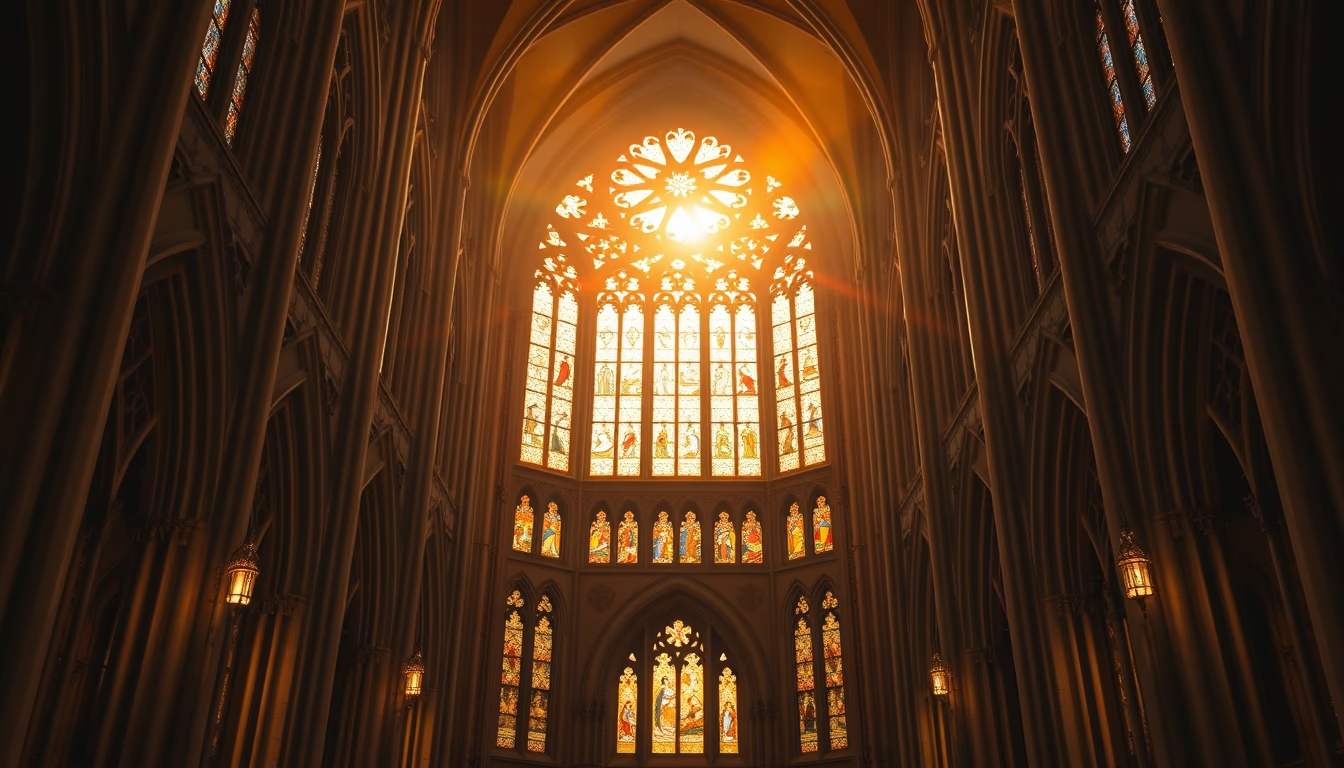
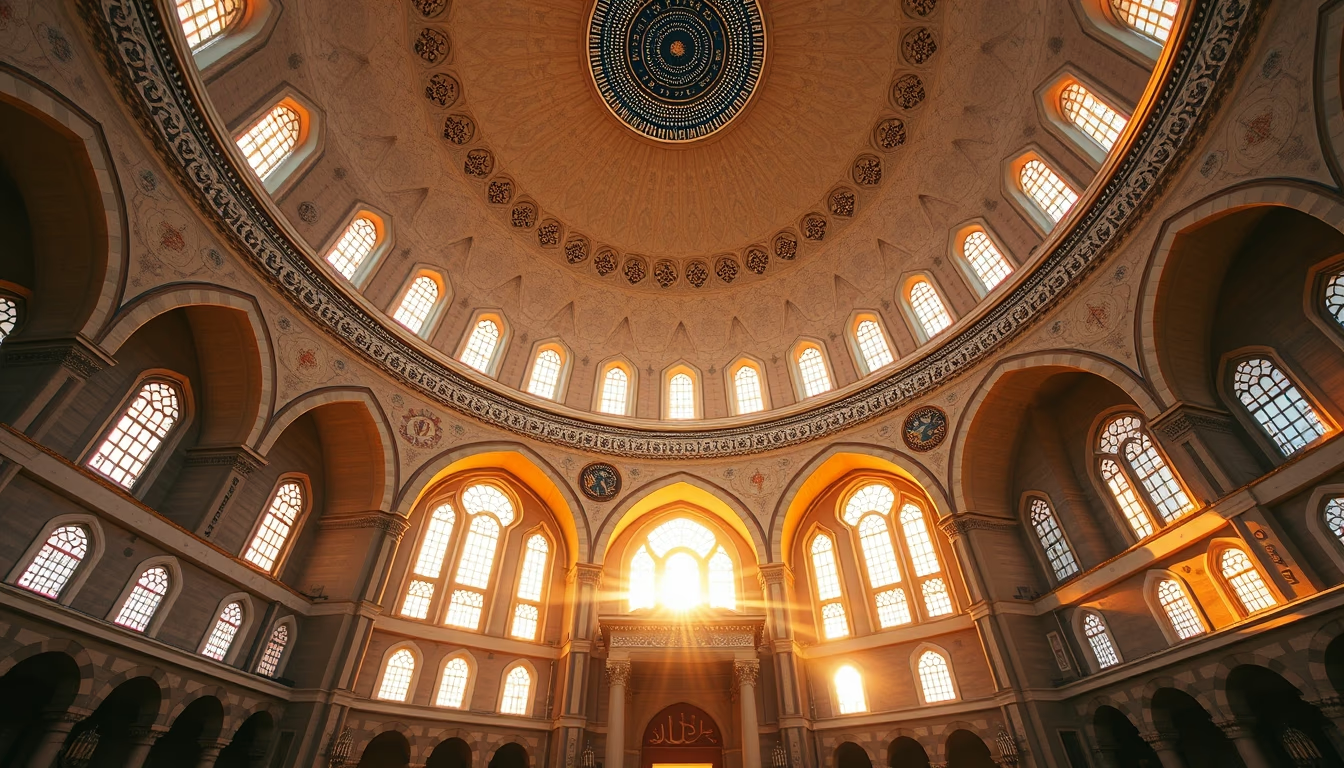
Gothic cathedral stained glass, such as that in Chartres and Notre-Dame, revolutionized architecture by turning light into biblical narrative and mysticism.
About this subject
Gothic stained glass windows represent one of the most iconic achievements of medieval European art, flourishing between the 12th and 15th centuries. Unlike Romanesque mosaics, stained glass allowed light to penetrate sacred spaces, creating a transcendental atmosphere. The cathedrals of Chartres (France), with their 176 windows from the 13th century, are considered the pinnacle of this technique, depicting scenes from the Old and New Testaments, along with portraits of artisans and donors. The vibrant color palette, dominated by intense blues and reds, was achieved using metal oxides: Chartres blue came from cobalt, while red was derived from colloidal gold.
The production technique involved fusing sand, potash, and metal oxides in high-temperature furnaces. Glass pieces were cut, painted with enamel (grisaille), and assembled with lead cames. Large rose windows, such as those at Notre-Dame de Paris, used complex geometries to symbolize divine order. These works also served a didactic purpose: in an era of widespread illiteracy, the images taught biblical stories and saints' lives to the faithful.
Unfortunately, many original windows were destroyed during wars, iconoclasm, or improper restorations. World War II damaged the cathedrals of Reims and Cologne, but Chartres windows were fortunately dismantled and hidden in caves. Today, modern conservation techniques, such as external protective glazing, help preserve these masterpieces. Sites like Sainte-Chapelle in Paris, with its 1,113 panels of 13th-century stained glass, continue to amaze visitors with their vivid hues and narratives told in light.
Frequently Asked Questions
How were Gothic stained glass windows made?
They were produced by fusing sand, potash, and metal oxides to color the glass. Pieces were cut, painted with grisaille (enamel), and assembled with lead cames. Colors came from minerals like cobalt (blue) and colloidal gold (red).
What is the difference between Romanesque and Gothic stained glass?
Romanesque windows were smaller and thicker, letting in little light. Gothic windows used pointed arches and thin walls to create large expanses, allowing abundant light and complex narrative scenes in a single panel.
Which cathedrals have the best Gothic stained glass?
Chartres (France) is the benchmark, with 13th-century windows in intense blue. Sainte-Chapelle (Paris) has 13th-century panels. Other notable examples include Notre-Dame de Paris, Cologne Cathedral (Germany), and León Cathedral (Spain).
Direct URL
https://pub-c7d6a6ea828543ac903a74a341ccb2e1.r2.dev/imagens/gothic-cathedral-stained-glass-cinematic-wide-shot-p0.avifHow to credit
Include a visible link back to UtilizAí. Copy one of the snippets below:
<a href="https://xn--utiliza-eza.com/en/midia/imagens/gothic-cathedral-stained-glass-cinematic-wide-shot-p0">Gothic cathedral stained glass</a> by <a href="https://xn--utiliza-eza.com">UtilizAí</a>, licensed under <a href="https://creativecommons.org/licenses/by/4.0/">CC BY 4.0</a>.
[Gothic cathedral stained glass](https://xn--utiliza-eza.com/en/midia/imagens/gothic-cathedral-stained-glass-cinematic-wide-shot-p0) by [UtilizAí](https://xn--utiliza-eza.com), CC BY 4.0
License: CC-BY-4.0