Going to sun montana
1344×768 · AVIF · CC BY 4.0

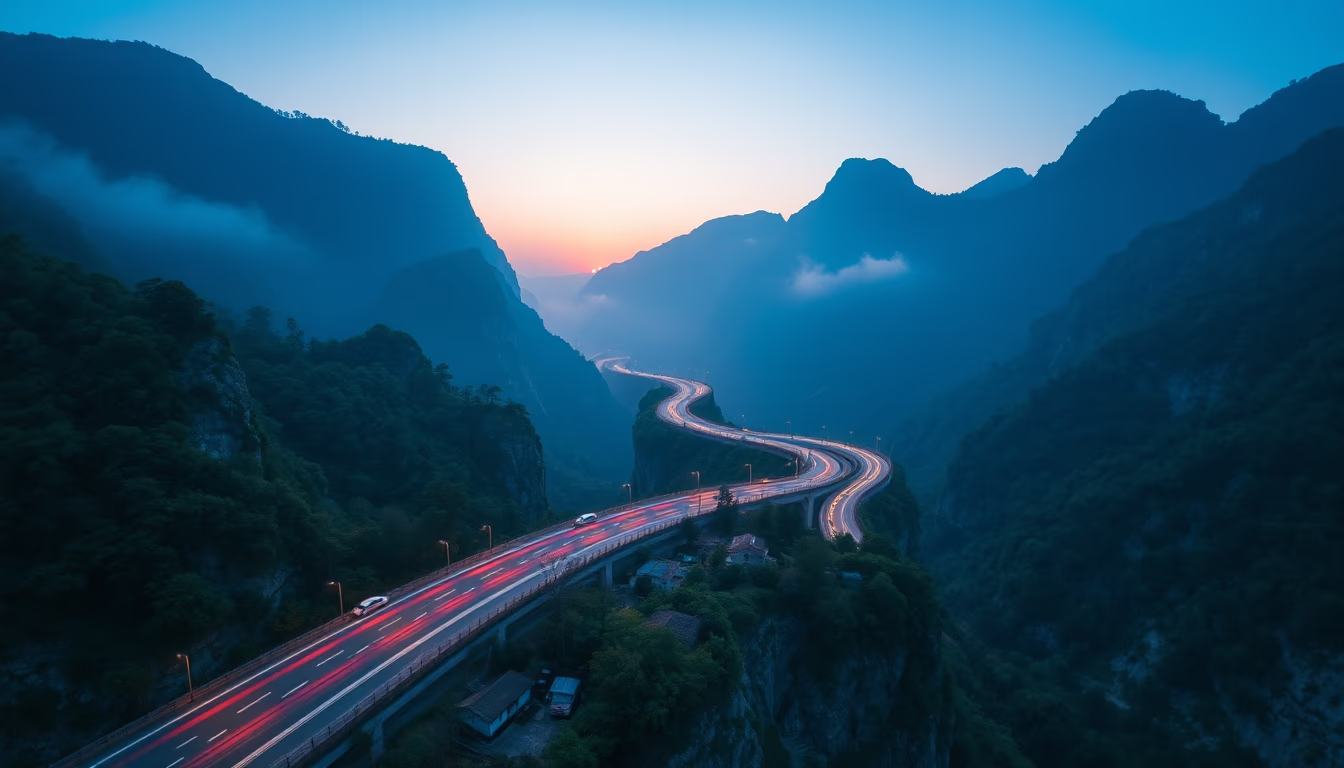
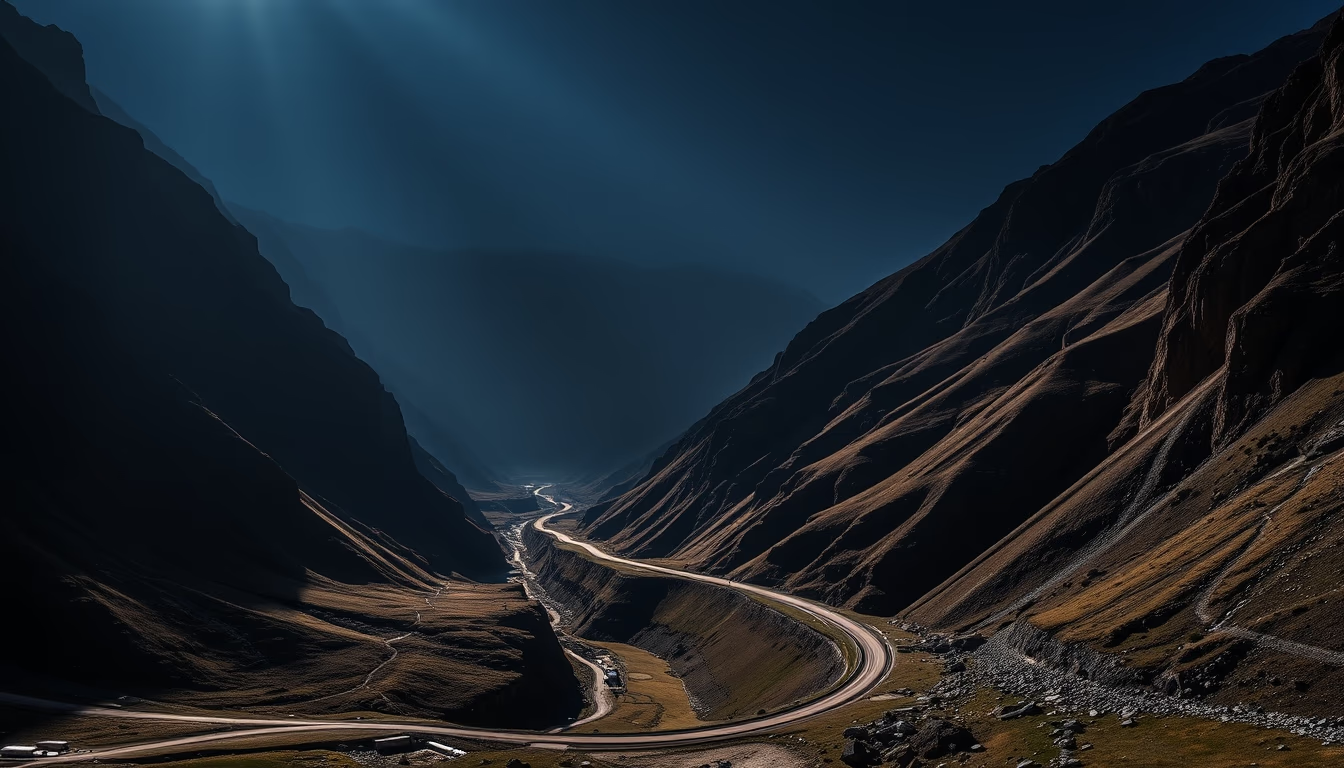
The Going-to-the-Sun Road in Montana is one of the most iconic scenic highways in the United States, traversing Glacier National Park.
About this subject
The Going-to-the-Sun Road is a 50-mile scenic highway that crosses Glacier National Park in Montana, USA. Completed in 1932 after 11 years of construction, it was a remarkable engineering feat, traversing rugged mountainous terrain and rising to over 6,600 feet at Logan Pass. The road is renowned for its breathtaking views of glacial peaks, deep valleys, and crystal-clear lakes, as well as being one of the few places to spot wildlife such as mountain goats, bears, and elk.
Originally designed to promote tourism within the park, the road was designated a National Historic Landmark in 1985 and is also recognized as a Civil Engineering Landmark by the American Society of Civil Engineers. Construction required innovative techniques for its time, including the use of dynamite to blast rock and the creation of retaining walls. The road is only open during the summer months, typically from mid-June to mid-October, due to heavy snowfall at higher elevations.
An interesting fact is that the road gets its name because, as you drive, the sun appears to move from one side of the horizon to the other, creating a unique visual effect. Moreover, it is one of the most photographed roads in the world, especially the section known as 'The Loop,' where the road makes a tight switchback. Despite its beauty, driving requires caution due to sharp curves, narrow bridges, and a lack of guardrails in some sections.
Frequently Asked Questions
What is the best time to drive the Going-to-the-Sun Road?
The road typically opens from mid-June to mid-October depending on snow conditions. Summer (July and August) offers the mildest weather and full access, but also more crowds.
How long does it take to drive the entire road?
The round trip takes about 2 to 3 hours without stops, but most visitors spend half a day or more, stopping at viewpoints and short trails.
Why is it considered an engineering landmark?
Construction faced extreme challenges like steep slopes, unstable rock, and harsh weather. Innovative techniques such as dynamite blasting and cantilevered retaining walls made it one of the first roads to cross a mountain range in the US.
Direct URL
https://pub-c7d6a6ea828543ac903a74a341ccb2e1.r2.dev/imagens/going-to-sun-montana-minimalist-composition-fresh1.avifHow to credit
Include a visible link back to UtilizAí. Copy one of the snippets below:
<a href="https://xn--utiliza-eza.com/en/midia/imagens/going-to-sun-montana-minimalist-composition-fresh1">Going to sun montana</a> by <a href="https://xn--utiliza-eza.com">UtilizAí</a>, licensed under <a href="https://creativecommons.org/licenses/by/4.0/">CC BY 4.0</a>.
[Going to sun montana](https://xn--utiliza-eza.com/en/midia/imagens/going-to-sun-montana-minimalist-composition-fresh1) by [UtilizAí](https://xn--utiliza-eza.com), CC BY 4.0
License: CC-BY-4.0