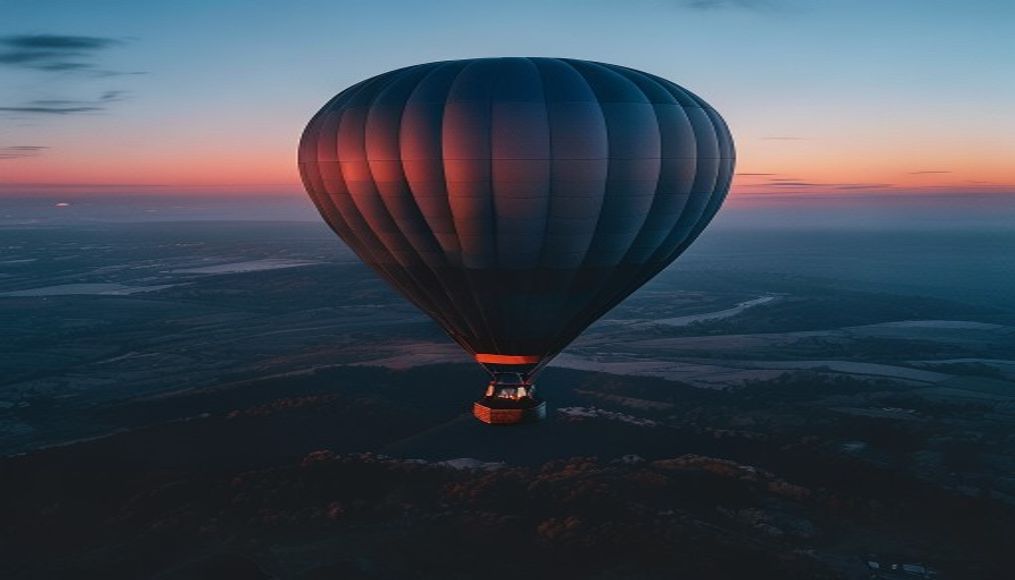
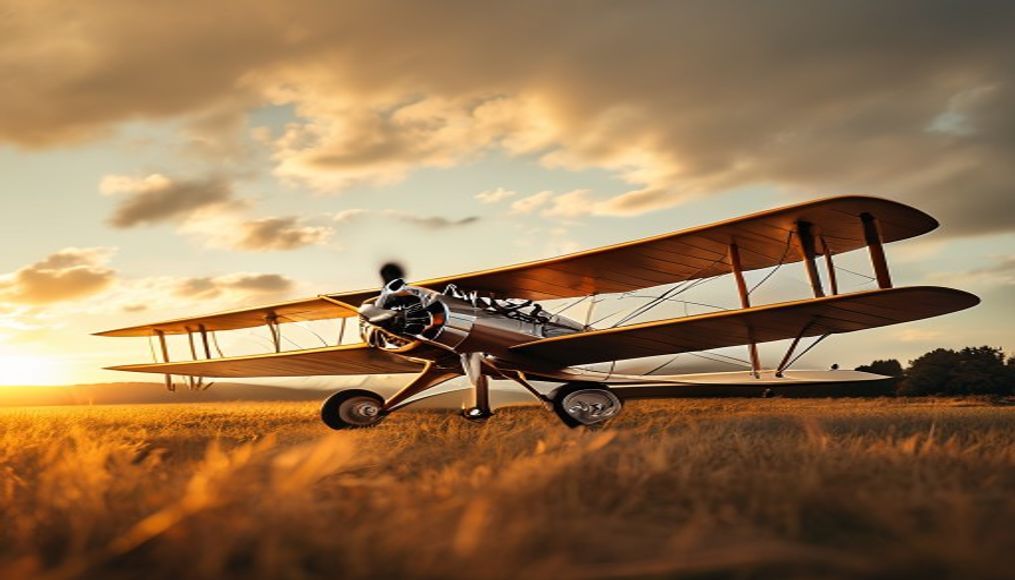
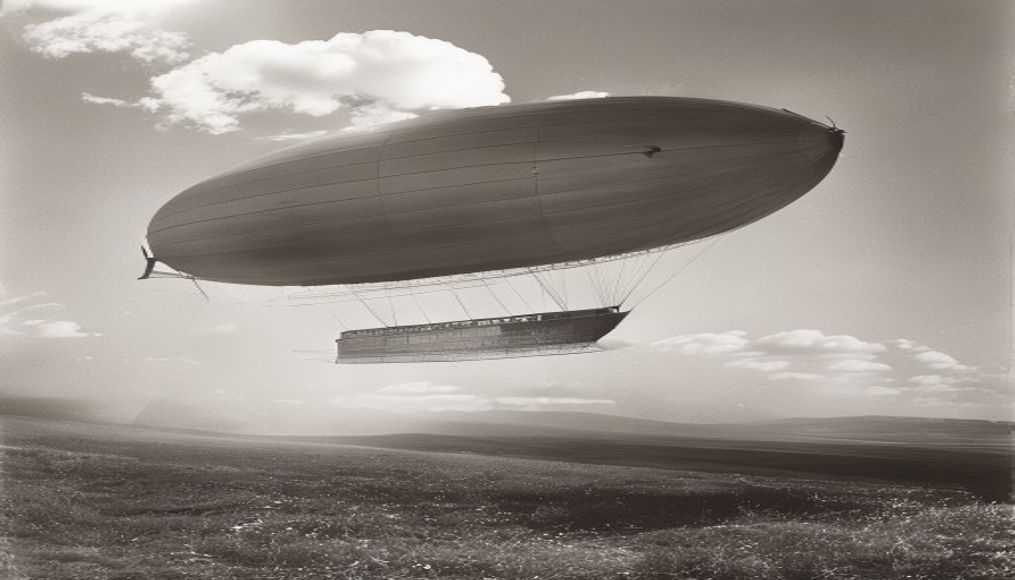
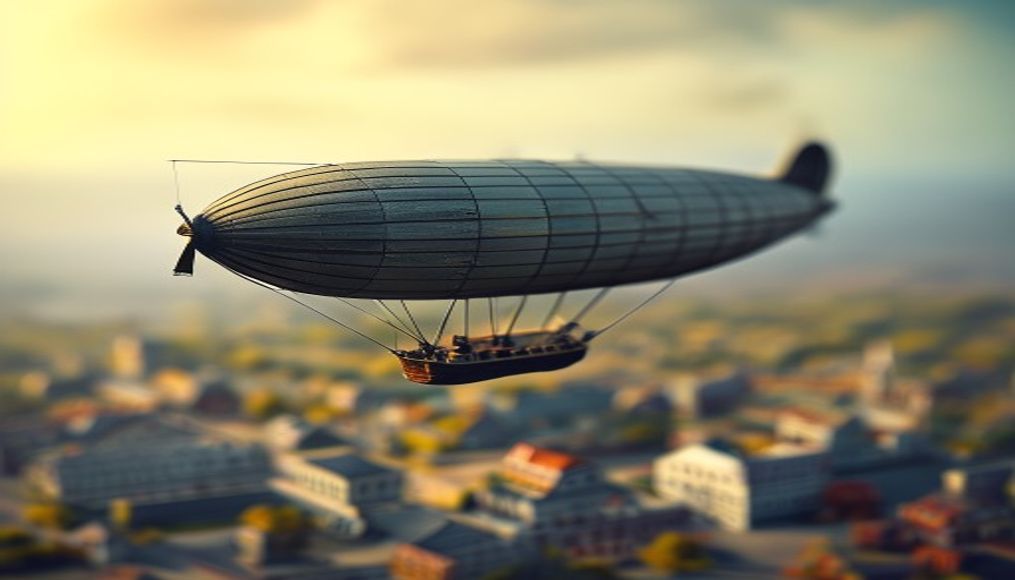
Glider sailplane sky
1344×768 · AVIF · CC BY 4.0
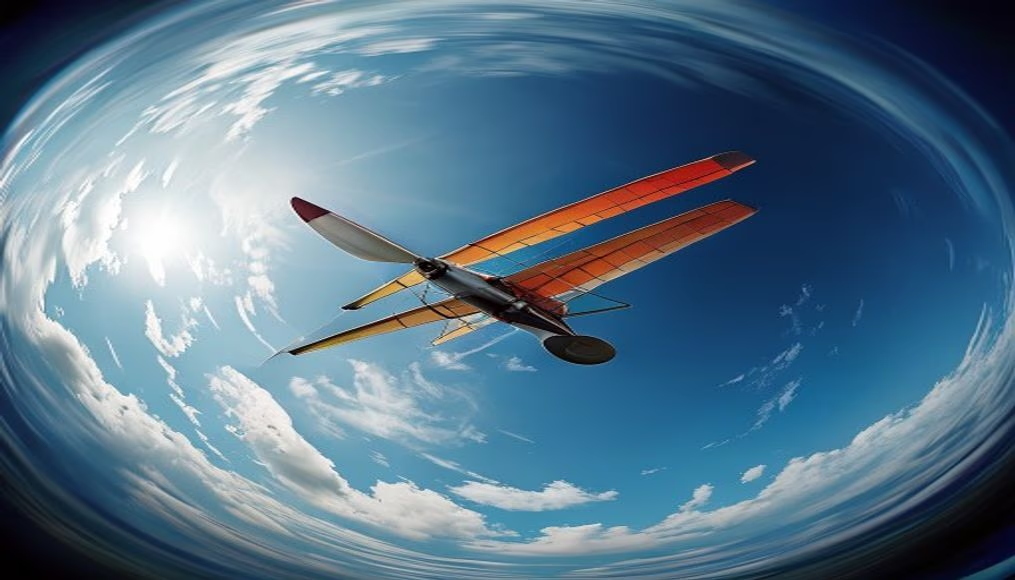
Gliders, engineless aircraft that defy gravity, combine aerodynamics and thermal currents for silent, sustainable flight.
About this subject
Gliders, also known as sailplanes, are heavier-than-air aircraft that fly without an engine, sustained solely by the aerodynamic forces generated by their long, slender wings. The history of free flight began with Otto Lilienthal in the 1890s, who conducted over 2,000 flights in his gliders, laying the groundwork for modern aviation. In Brazil, Alberto Santos Dumont also experimented with gliders before building the 14-Bis. Today, gliders are primarily used for sport and recreation, in cross-country competitions that can last hours and cover hundreds of kilometers.
Glider technology has evolved significantly. Modern wings are made of composite materials such as carbon fiber and Kevlar, reducing weight and increasing aerodynamic efficiency. The glide ratio (distance traveled per unit of altitude lost) can reach 60:1 in advanced models like the Schempp-Hirth Quintus. To gain altitude, pilots exploit rising thermal currents (cumulus clouds), mountain waves, or coastal breezes. Instruments like variometers and GPS aid in navigation and finding lift.
Glider flying is considered one of the purest forms of aviation, requiring skill, patience, and meteorological knowledge. The gliding movement has a strong presence in Brazil, especially in cities like Rio de Janeiro, São Paulo, and the interior of São Paulo, where clubs and schools offer training. The most famous competition is the World Gliding Cup, held annually in different countries. Besides sport, gliders are used in atmospheric research and even in military silent reconnaissance applications.
Trivia: The world record for straight-line distance in a glider is over 2,000 km, set by Klaus Ohlmann in Argentina. The maximum altitude achieved by a glider is above 15,000 meters. Mountain wave lift can carry gliders to stratospheric altitudes, as in the Perlan project, which aims to fly to the edge of space using pressurized gliders.
Frequently Asked Questions
How can a glider fly without an engine?
Gliders fly by using energy from rising air currents, such as thermals (bubbles of hot air), mountain waves, or sea breezes. Their long, slender wings generate lift with low drag, enabling them to glide over long distances.
What is the difference between a glider and a sailplane?
The terms are often used interchangeably. 'Sailplane' typically refers to high-performance gliders designed for cross-country soaring, while 'glider' can include simpler training aircraft.
Can I fly a glider in Brazil?
Yes, there are gliding clubs and schools in several cities like Rio de Janeiro, São Paulo, and Bauru. You need to obtain a glider pilot license from ANAC (Brazilian Civil Aviation Agency).
Direct URL
https://pub-c7d6a6ea828543ac903a74a341ccb2e1.r2.dev/imagens/glider-sailplane-sky-fish-eye-wide-angle-p0.avifHow to credit
Include a visible link back to UtilizAí. Copy one of the snippets below:
<a href="https://xn--utiliza-eza.com/en/midia/imagens/glider-sailplane-sky-fish-eye-wide-angle-p0">Glider sailplane sky</a> by <a href="https://xn--utiliza-eza.com">UtilizAí</a>, licensed under <a href="https://creativecommons.org/licenses/by/4.0/">CC BY 4.0</a>.
[Glider sailplane sky](https://xn--utiliza-eza.com/en/midia/imagens/glider-sailplane-sky-fish-eye-wide-angle-p0) by [UtilizAí](https://xn--utiliza-eza.com), CC BY 4.0
License: CC-BY-4.0