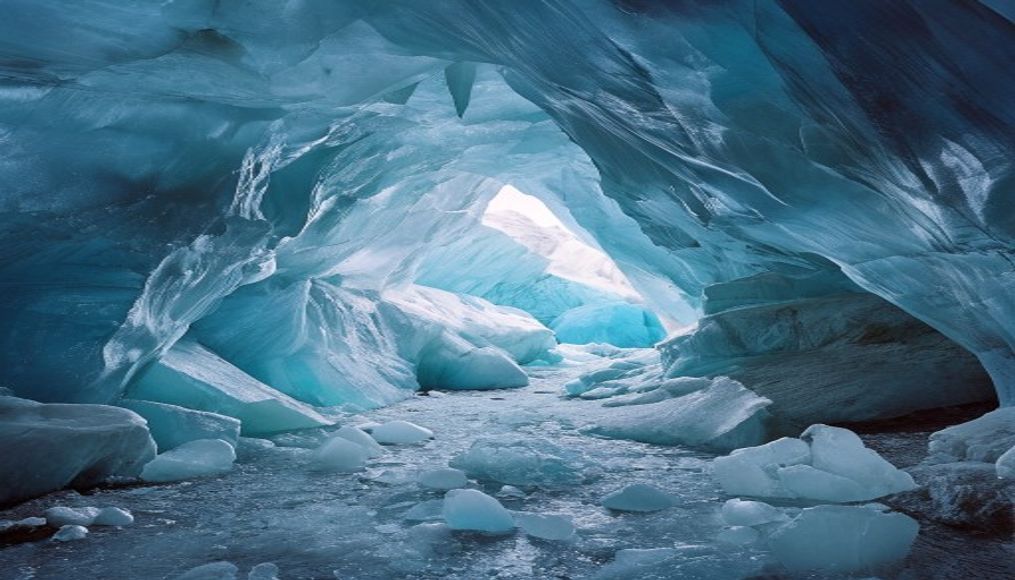
Frozen waterfall iceland
1344×768 · JPG · CC BY 4.0
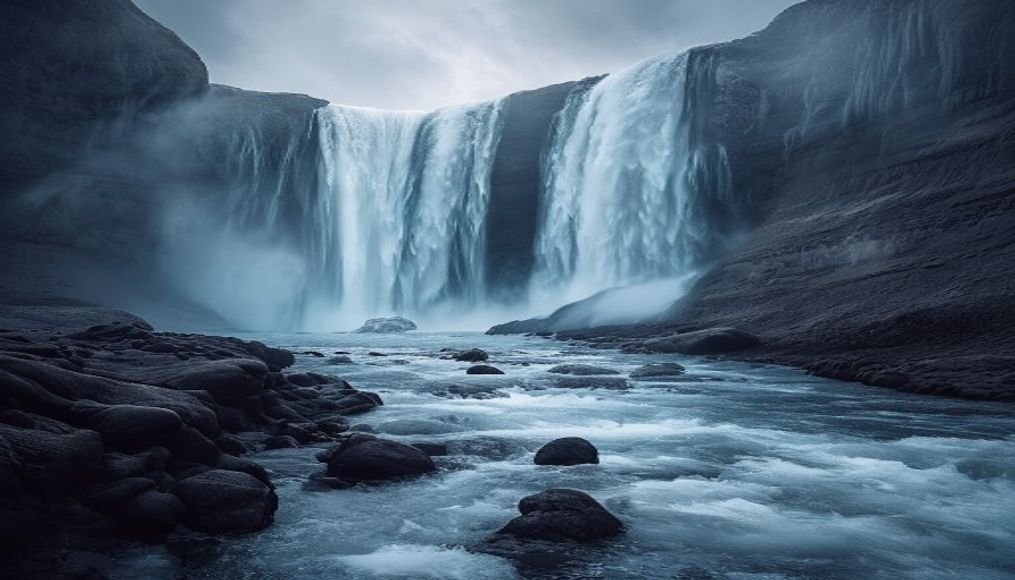
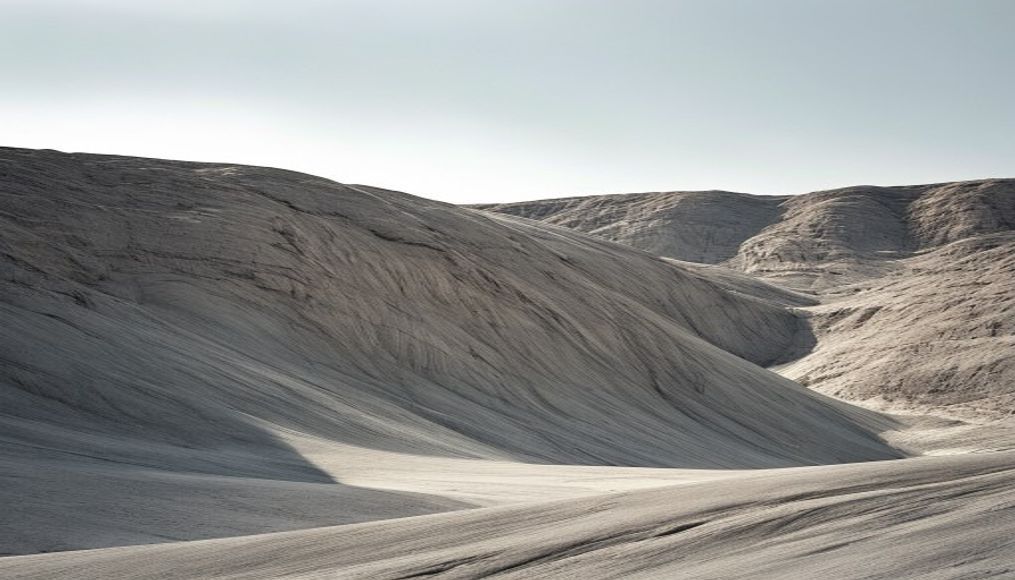
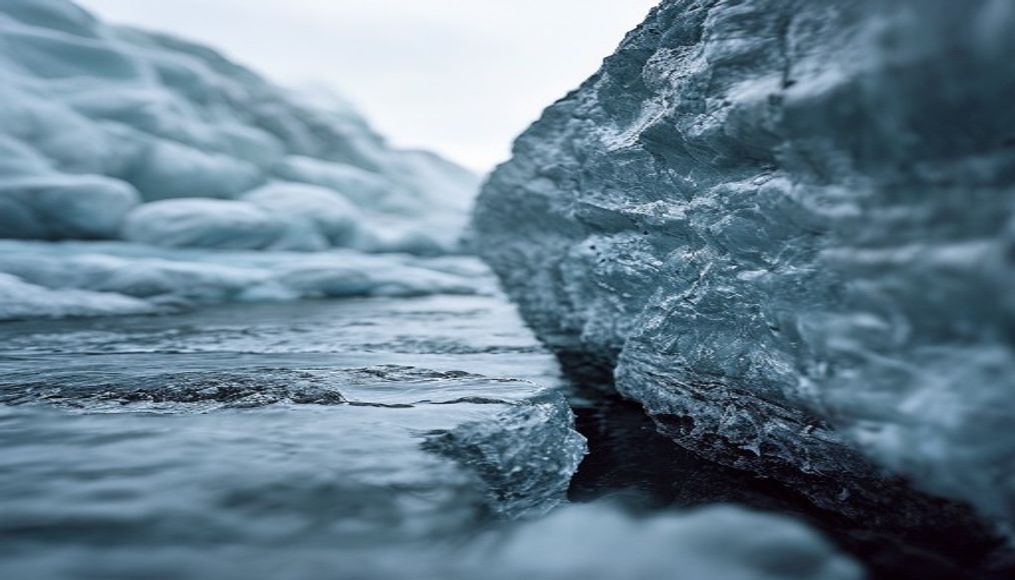
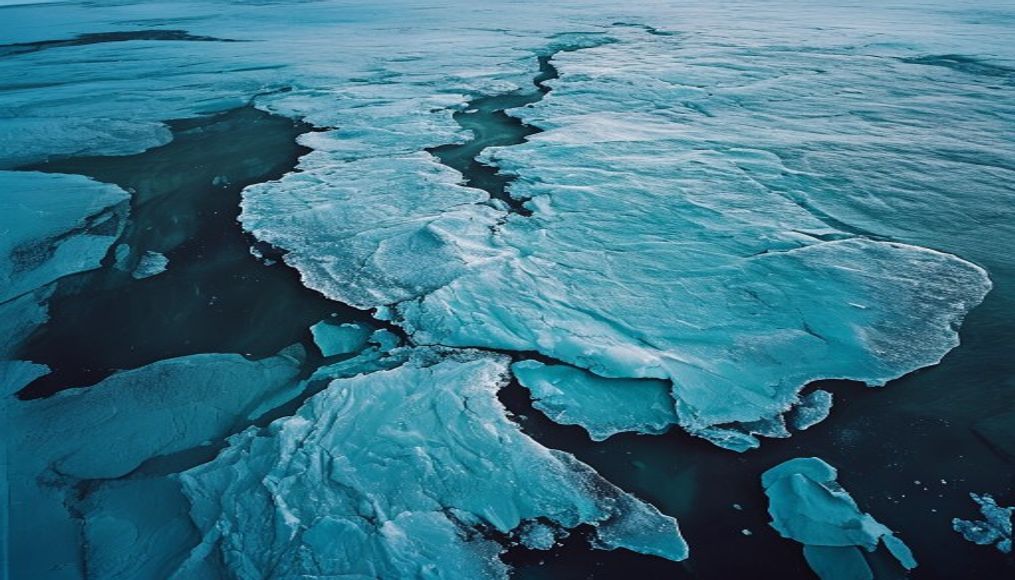
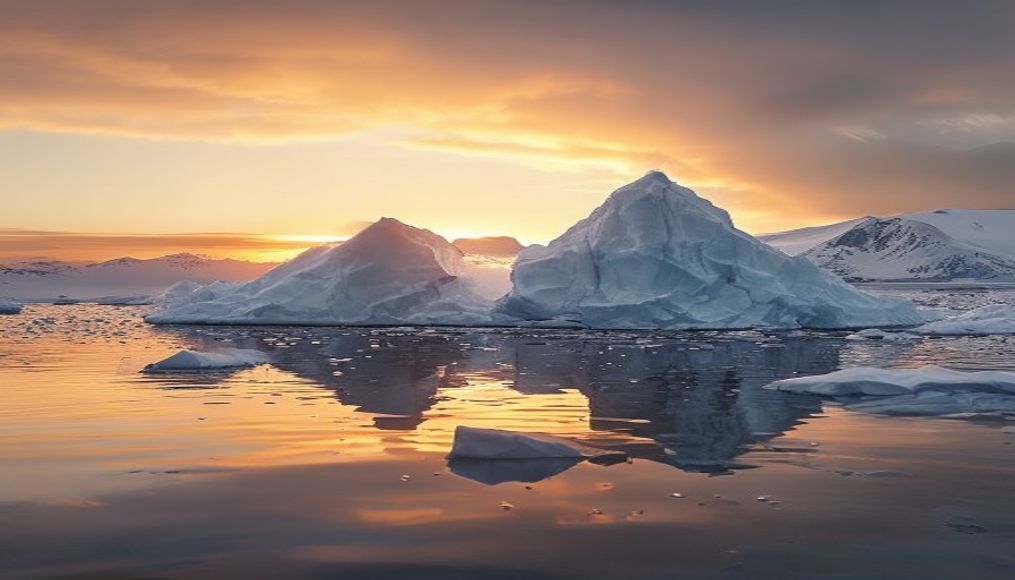
Frozen waterfalls in Iceland create unique natural spectacles, with blue ice and ephemeral formations, attracting photographers and adventurers from around the world.
About this subject
Iceland, known as the land of ice and fire, hosts hundreds of waterfalls that during the harsh winter transform into true ice sculptures. This phenomenon occurs when temperatures drop below freezing and the water flow partially freezes, maintaining movement beneath the crust. It results in translucent formations, often in deep blue tones due to ice density and selective absorption of red light.
Among the most famous, Seljalandsfoss, on the south coast, can be viewed from behind, but in winter its water curtain partially solidifies. Another iconic one is Gullfoss, which despite not fully freezing, displays immense ice blocks at its edges. The Vik region also has falls like Skógafoss, whose mist forms ice layers on adjacent rocks. These locations become scenes of extreme beauty but also danger, as ice can be unstable and trails slippery.
Culturally, waterfalls hold deep significance in Norse mythology and Icelandic folklore, being associated with elves and trolls. Today, winter tourism has grown exponentially, especially for long-exposure photography capturing water movement under the ice. The best time to observe them is between November and March, when days are short and light is low, providing dramatic contrast. However, visiting requires preparation, as weather can change rapidly, with strong winds and temperatures below -10°C.
Frequently Asked Questions
What is the best time to see frozen waterfalls in Iceland?
Between November and March, during the Icelandic winter, when temperatures are consistently below freezing. The period of lower sunlight also favors thicker ice formation.
Is it safe to walk near a frozen waterfall?
Not entirely. The ice can be thin or unstable, and the spray freezes on rocks, making them slippery. It is recommended to wear footwear with crampons and hire local guides for remote locations.
Why does the ice on Icelandic waterfalls look blue?
The blue color occurs because dense ice absorbs red light and scatters blue, a phenomenon similar to glaciers. The purer and more compact the ice, the more intense the blue hue.
Direct URL
https://pub-c7d6a6ea828543ac903a74a341ccb2e1.r2.dev/imagens/frozen-waterfall-iceland-fine-art-photography-p4.jpgHow to credit
Include a visible link back to UtilizAí. Copy one of the snippets below:
<a href="https://xn--utiliza-eza.com/en/midia/imagens/frozen-waterfall-iceland-fine-art-photography-p4">Frozen waterfall iceland</a> by <a href="https://xn--utiliza-eza.com">UtilizAí</a>, licensed under <a href="https://creativecommons.org/licenses/by/4.0/">CC BY 4.0</a>.
[Frozen waterfall iceland](https://xn--utiliza-eza.com/en/midia/imagens/frozen-waterfall-iceland-fine-art-photography-p4) by [UtilizAí](https://xn--utiliza-eza.com), CC BY 4.0
License: CC-BY-4.0