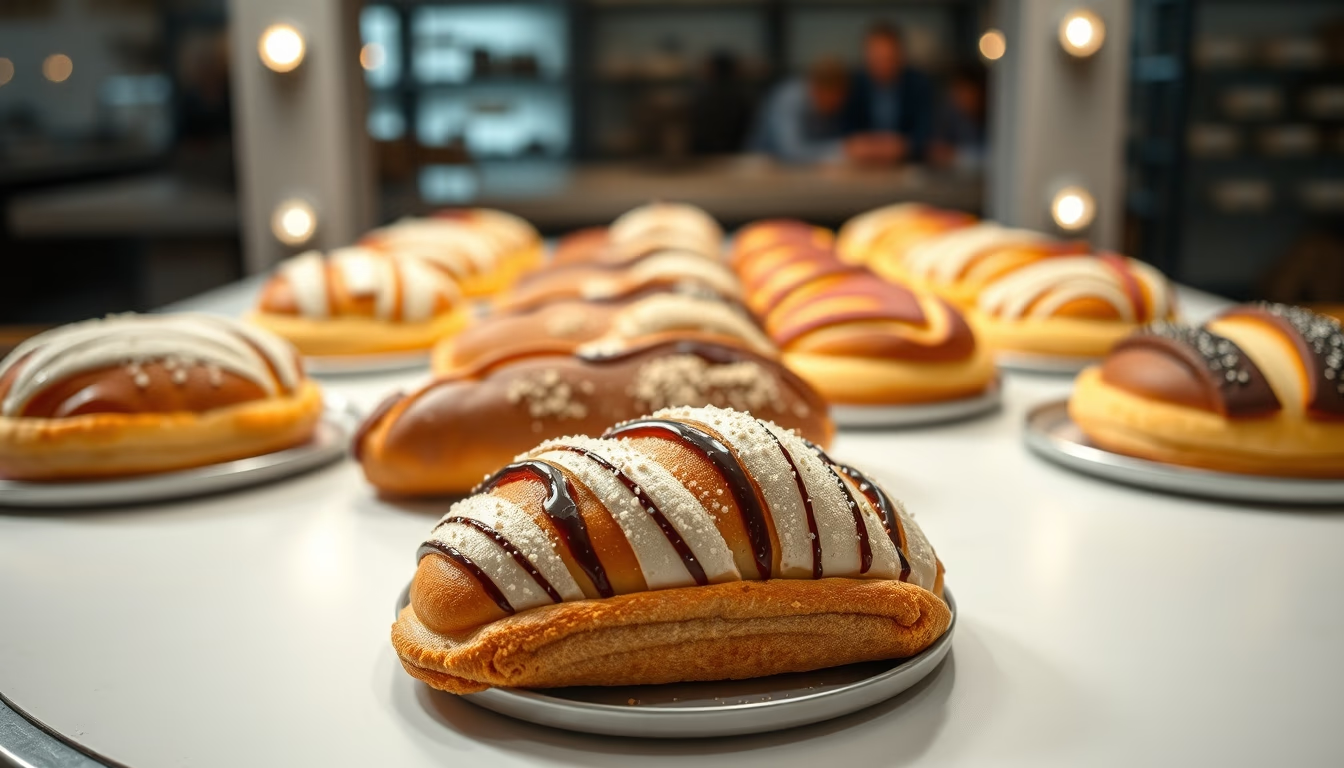
French pastries display
1344×768 · AVIF · CC BY 4.0
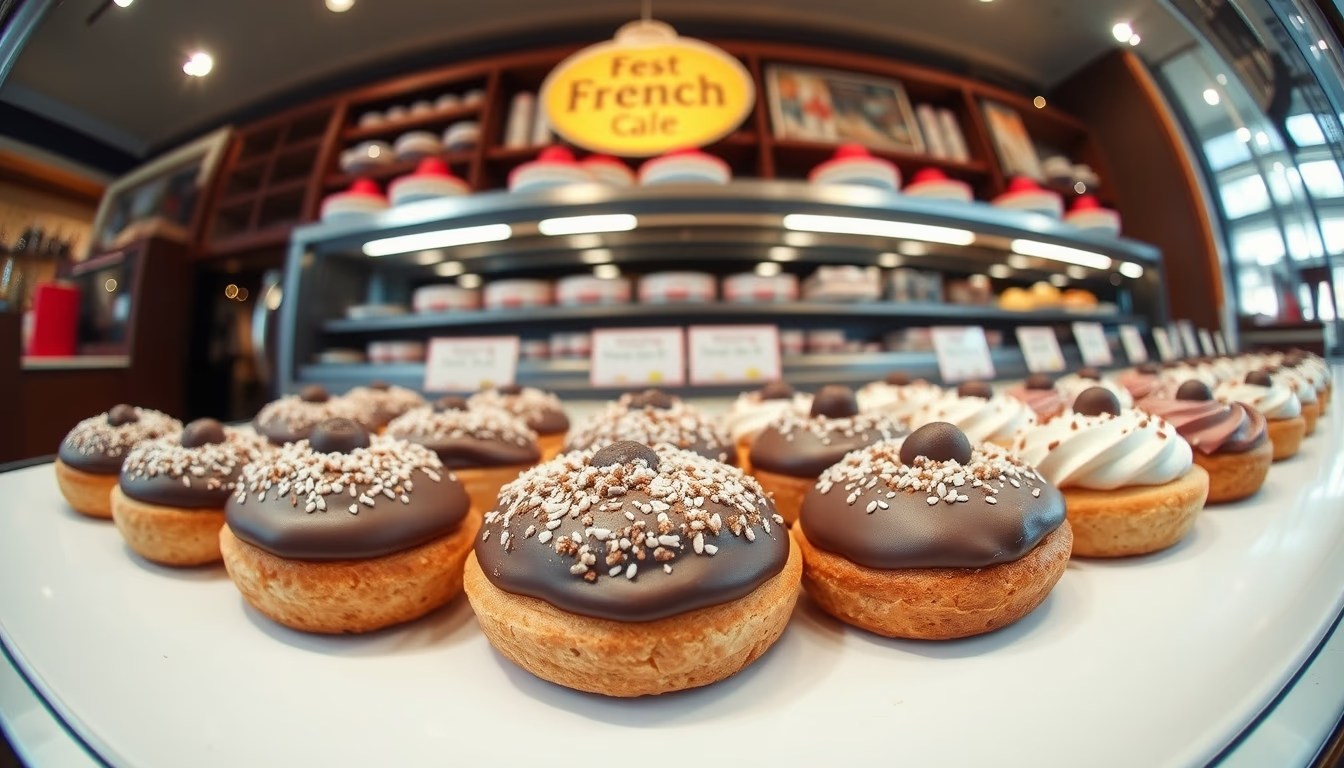
Display of classic French pastries including croissants, éclairs, and macarons, highlighting France's tradition of artisan patisserie.
About this subject
French pastry making is globally acclaimed for its technical precision and use of high-quality ingredients like butter, flour, eggs, and sugar. The display windows of Parisian pâtisseries showcase creations ranging from simple buttery croissants to elaborate colorful macarons. The tradition began in the 17th century with the introduction of beet sugar and was consolidated by chefs like Marie-Antoine Carême, who codified pastry techniques. Today, desserts such as chocolate éclairs, caramelized apple tarte Tatin, and crispy mille-feuille are icons of French gastronomy, sold in thousands of bakeries and confectioneries. Presentation is as important as taste: displays are carefully arranged by color and shape, attracting customers before the first bite. Production of these delicacies requires years of training, and the title of Meilleur Ouvrier de France is the highest honor for a pâtissier. Annually, over 30 million croissants are consumed in France, according to the French Federation of Bakery. The global popularity of these pastries drives competitions like the Coupe du Monde de la Pâtisserie. Additionally, many items were not invented in France, such as the croissant which originated in Austria, but were perfected and became associated with the country. This blend of technique, aesthetics, and history led to French pastry being recognized as intangible cultural heritage by UNESCO in 2016.
Frequently Asked Questions
What is the difference between a croissant and a pain au chocolat?
A croissant is made from laminated dough and usually has no filling, while pain au chocolat uses the same dough but is rolled with chocolate bars inside.
Why are macarons so expensive?
Macarons require high-quality ingredients like almond flour and egg whites, plus precise technique to achieve a crispy exterior and soft interior. The artisanal process and skilled labor drive up the price.
Is it true that French pastry is part of UNESCO's Intangible Cultural Heritage?
Yes, in 2016 UNESCO recognized French gastronomy, including pastry, as intangible cultural heritage, highlighting its techniques, rituals, and traditions.
Direct URL
https://pub-c7d6a6ea828543ac903a74a341ccb2e1.r2.dev/imagens/french-pastries-display-fish-eye-wide-angle-fresh0.avifHow to credit
Include a visible link back to UtilizAí. Copy one of the snippets below:
<a href="https://xn--utiliza-eza.com/en/midia/imagens/french-pastries-display-fish-eye-wide-angle-fresh0">French pastries display</a> by <a href="https://xn--utiliza-eza.com">UtilizAí</a>, licensed under <a href="https://creativecommons.org/licenses/by/4.0/">CC BY 4.0</a>.
[French pastries display](https://xn--utiliza-eza.com/en/midia/imagens/french-pastries-display-fish-eye-wide-angle-fresh0) by [UtilizAí](https://xn--utiliza-eza.com), CC BY 4.0
License: CC-BY-4.0