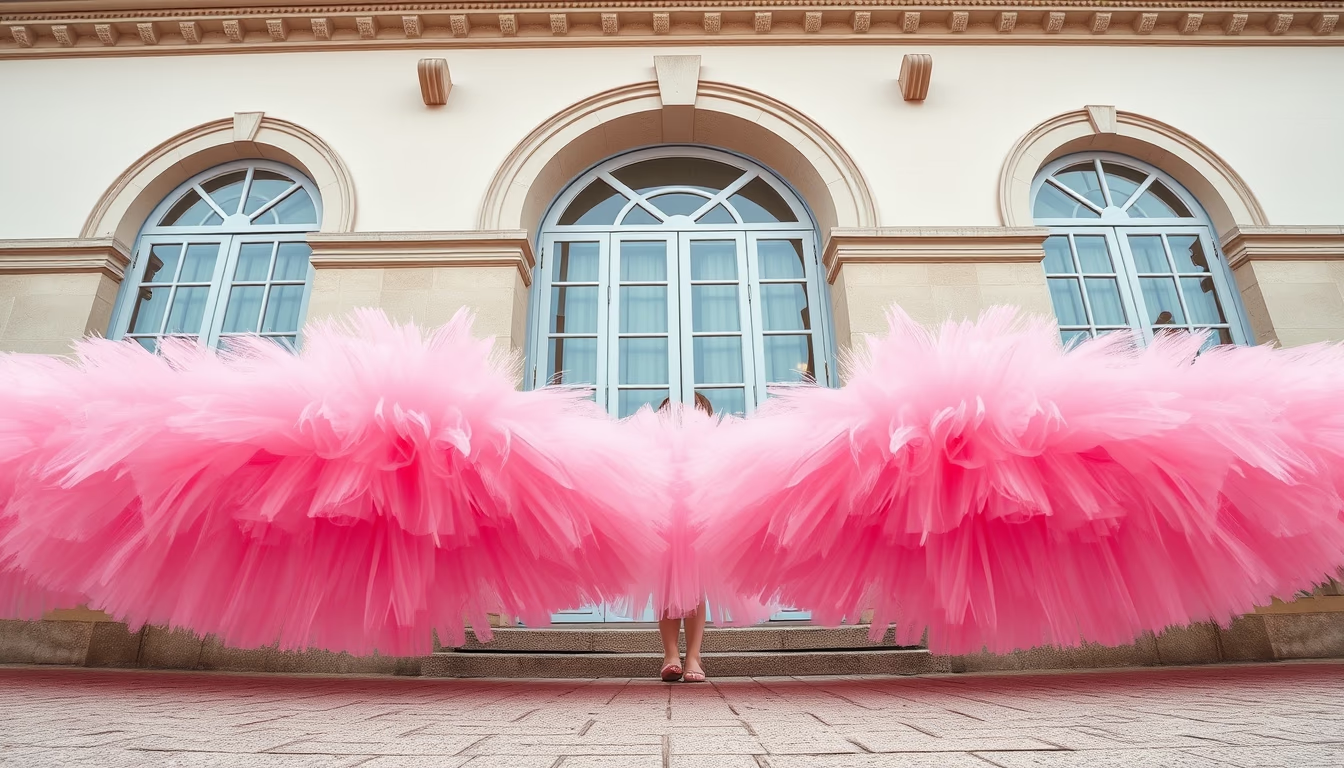
Flamenco fan red detail
1344×768 · AVIF · CC BY 4.0

The red flamenco fan is an iconic accessory that combines artisanal tradition and artistic expression in the world of flamenco.
About this subject
The fan, or abanico, is a central element in flamenco dance, used both to mark rhythm and to amplify the gestures and emotions of the dancers. Its origins date back to the 16th century when Spanish traders brought fans from Asia, especially the Philippines, adapting them to local tastes. In flamenco, the fan gained prominence in the 19th century during the Romantic period, and since then it has become a symbol of elegance and passion. Traditional flamenco fans are made of wood, sandalwood, or ivory, with fabrics such as silk and lace, often hand-painted with floral motifs or Spanish scenes. The red color, very common, evokes the intensity and fire of the dance.
The use of the fan in flamenco choreography requires precise technique: it can be opened and closed in rapid movements, following the rhythm of the guitar and palmas. Renowned dancers like Carmen Amaya and Sara Baras incorporated the fan into their performances, creating sequences that highlight the contrast between the rigidity of the body and the fluidity of the accessory. Besides being a stage prop, the fan had practical functions in past times, such as cooling the dancer during performances in open-air tablados.
Today, flamenco fans are produced by artisans in regions such as Valencia and Seville, maintaining centuries-old techniques. There are regional variations: the abanico de Manila, originally from the Philippines, is embroidered with gold and silver threads, while simpler models use painted paper. The red fan, in particular, carries strong cultural meanings: it represents the passion of flamenco, the blood spilled in historical struggles, or simply the color of Andalusia. Its presence in dance photographs and videos is constant, reinforcing the visual identity of flamenco art.
Frequently Asked Questions
What is the origin of the flamenco fan?
The fan was introduced to Spain by traders returning from the Philippines in the 16th century and quickly integrated into local culture. It became a stage prop in flamenco during the 19th century.
How is the fan used in flamenco dance?
The fan follows the rhythm of the music, opening and closing in sync with footwork and palmas. Dancers use sweeping movements to emphasize emotions and mark transitions in choreography.
What does the red color of flamenco fans symbolize?
Red symbolizes passion, energy, and the essence of flamenco. It also references Andalusia and traditions like bullfighting, making it one of the most traditional colors for this accessory.
Direct URL
https://pub-c7d6a6ea828543ac903a74a341ccb2e1.r2.dev/imagens/flamenco-fan-red-detail-macro-closeup-fresh15.avifHow to credit
Include a visible link back to UtilizAí. Copy one of the snippets below:
<a href="https://xn--utiliza-eza.com/en/midia/imagens/flamenco-fan-red-detail-macro-closeup-fresh15">Flamenco fan red detail</a> by <a href="https://xn--utiliza-eza.com">UtilizAí</a>, licensed under <a href="https://creativecommons.org/licenses/by/4.0/">CC BY 4.0</a>.
[Flamenco fan red detail](https://xn--utiliza-eza.com/en/midia/imagens/flamenco-fan-red-detail-macro-closeup-fresh15) by [UtilizAí](https://xn--utiliza-eza.com), CC BY 4.0
License: CC-BY-4.0