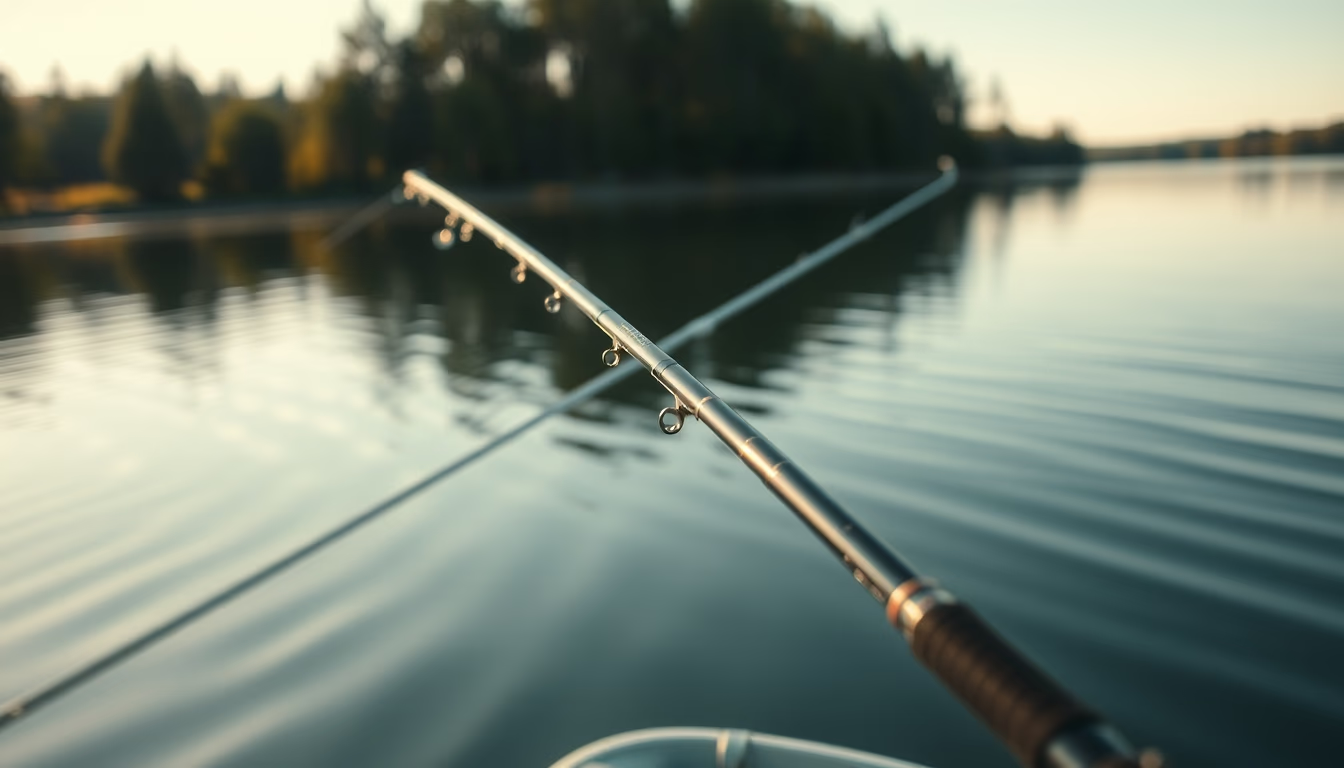
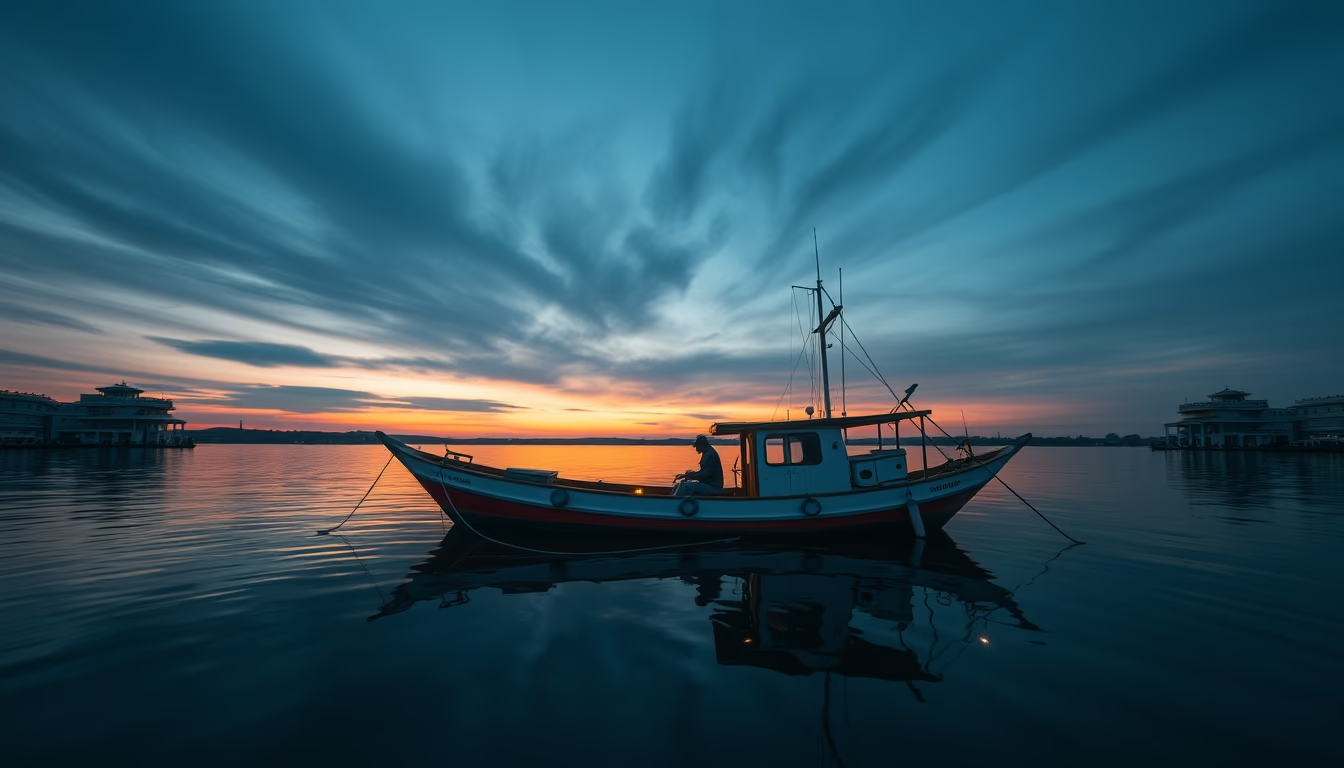
Fishing boat at dawn
1344×768 · AVIF · CC BY 4.0
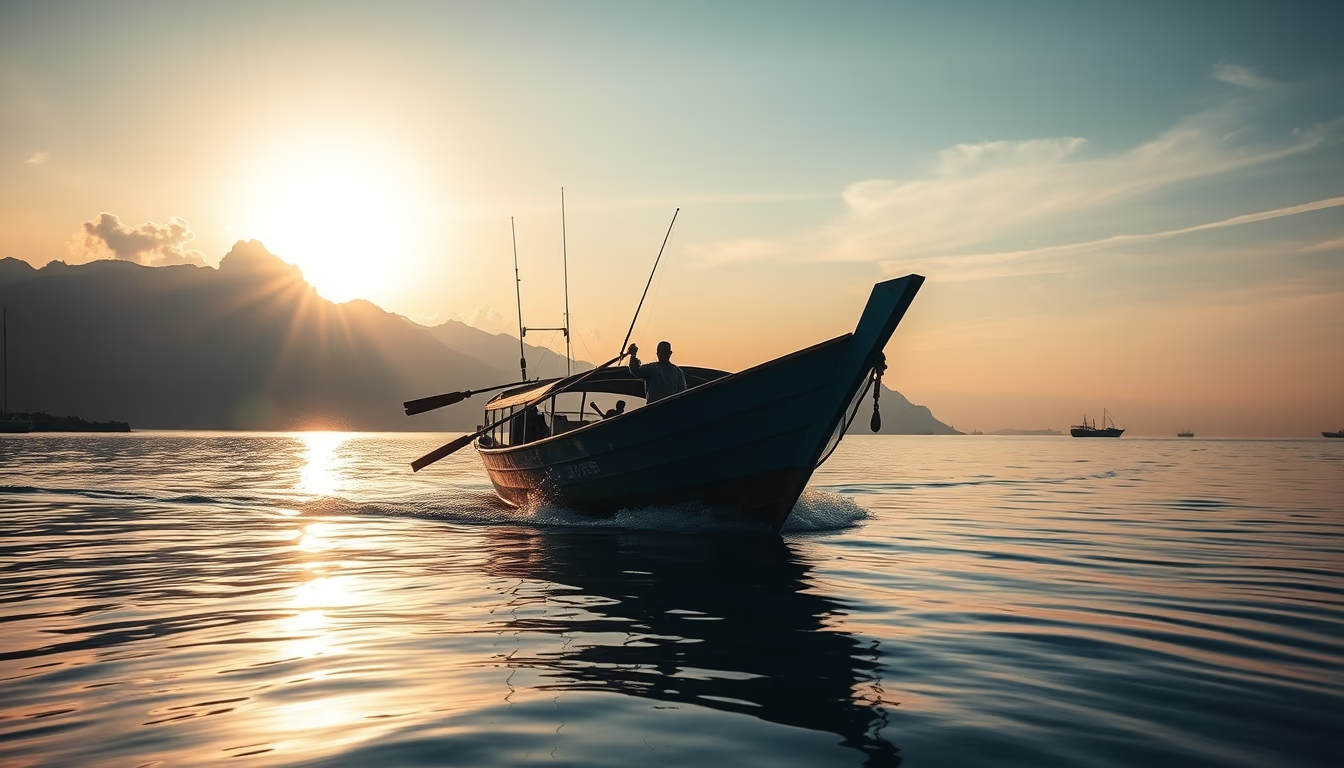
Fishing boats at dawn represent the traditional routine of coastal communities, blending work and nature.
About this subject
Fishing at dawn is an age-old practice combining tradition and efficiency. Artisanal fishermen often choose sunrise to set sail because fish are more active near the surface at that time, making catches easier. This activity is essential for the livelihood of millions of families in coastal areas worldwide, especially in regions like northeastern Brazil, where artisanal fishing is a primary source of income.
The boats used range from small wooden canoes to motorized vessels, depending on the region and type of fishing. In Brazil, for example, traditional jangadas are common off the coast of Ceará, while aluminum skiffs prevail in the Southeast. Departing at dawn is not just logistical: the soft morning light provides better visibility to locate schools of fish and avoid predators.
Culturally, dawn at sea carries symbolism of renewal and connection to the environment. In fishing communities, the ritual of preparing nets and setting off at first light is passed down through generations. The Food and Agriculture Organization (FAO) estimates that small-scale fisheries employ over 90% of the world's fishermen, underscoring their socioeconomic and environmental importance.
Despite modern challenges like overfishing and climate change, dawn fishing remains a symbol of resilience. The silence of the sea at daybreak contrasts with the methodical movement of fishermen, creating a scene that inspires both travelers and photographers. This practice is not just a means of sustenance but an intangible heritage connecting humans to the ocean.
Frequently Asked Questions
Why do fishermen prefer to go out at dawn?
Dawn is when many fish are more active and near the surface, making catches easier. The low light also helps locate schools and avoids the intense midday heat.
What are the main types of artisanal fishing boats in Brazil?
Types vary by region: in the Northeast, traditional jangadas and saveiros; in the Southeast, aluminum skiffs; in the North, wooden canoes. Each is adapted to local sea conditions and fish species.
How important is artisanal fishing globally?
According to the FAO, small-scale fisheries employ over 90% of the world's fishermen and account for about half of the fish catches intended for direct human consumption.
Direct URL
https://pub-c7d6a6ea828543ac903a74a341ccb2e1.r2.dev/imagens/fishing-boat-at-dawn-travel-photography-p3.avifHow to credit
Include a visible link back to UtilizAí. Copy one of the snippets below:
<a href="https://xn--utiliza-eza.com/en/midia/imagens/fishing-boat-at-dawn-travel-photography-p3">Fishing boat at dawn</a> by <a href="https://xn--utiliza-eza.com">UtilizAí</a>, licensed under <a href="https://creativecommons.org/licenses/by/4.0/">CC BY 4.0</a>.
[Fishing boat at dawn](https://xn--utiliza-eza.com/en/midia/imagens/fishing-boat-at-dawn-travel-photography-p3) by [UtilizAí](https://xn--utiliza-eza.com), CC BY 4.0
License: CC-BY-4.0