Fireplace warm glow
1344×768 · AVIF · CC BY 4.0
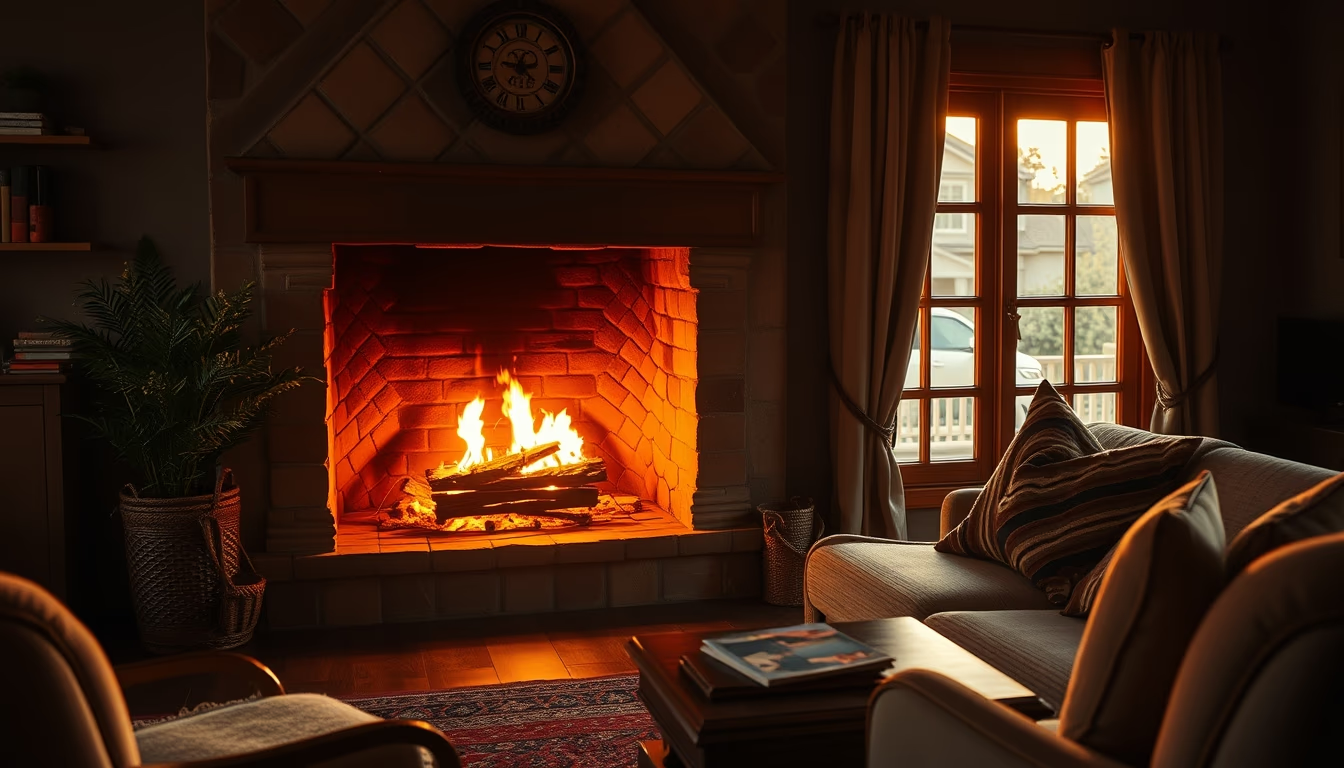
A lit fireplace evokes coziness and tradition, serving as a central element in cold climates and the culture of hygge.
About this subject
The fireplace is one of the oldest domestic heating systems, used for millennia to warm homes and cook food. In the Northern Hemisphere, especially Scandinavia, it symbolizes hygge, a Danish concept of well-being that values cozy moments. In travel, hotels and inns in mountainous regions like the Swiss Alps or Brazil's Serra da Mantiqueira highlight fireplaces as a key attraction for guests seeking relaxation and connection with nature.
Fireplace types range from traditional masonry to prefabricated and eco-friendly models. Masonry fireplaces, made of brick or stone, store heat and release it slowly, while metal or glass models radiate heat quickly. Wood-burning fireplaces require proper chimneys to avoid creosote buildup, a flammable substance. Modern alternatives include gas or ethanol fireplaces, which require no wood and produce fewer pollutants, making them popular in apartments.
Beyond heating, the fire's flame has a proven psychological effect: reducing stress and blood pressure, according to a University of Alabama study. The crackling and dancing flames promote relaxation, explaining their presence in spas and meditation rooms. In travel photography, capturing a lit fireplace records not just the golden light but the feeling of refuge.
Culturally, the fireplace represents the home's heart, as in ancient Rome (hearth dedicated to Vesta) or 19th-century American cabins. In Brazil, though less common due to tropical climate, fireplaces are valued in the South, especially Rio Grande do Sul, where they are part of gaúcho tradition and barbecue. Safety is essential: keep flammable objects away and use protective screens.
Frequently Asked Questions
What are the main types of fireplaces?
The main types are masonry (brick or stone), prefabricated (metal or glass), and eco-friendly (gas or ethanol). Each has advantages in efficiency, installation, and environmental impact.
Is a wood-burning fireplace harmful to health?
Yes, wood combustion releases fine particles and carbon monoxide, which can aggravate respiratory issues. Well-ventilated fireplaces with dry wood minimize risks. Gas or electric alternatives are safer.
Why are fireplaces associated with wellness in travel?
Fire provides visual and thermal warmth, stress reduction, and a sense of coziness. Many mountain destinations and rustic inns use fireplaces to create relaxing environments, enhancing the guest experience.
Direct URL
https://pub-c7d6a6ea828543ac903a74a341ccb2e1.r2.dev/imagens/fireplace-warm-glow-travel-photography-p5.avifHow to credit
Include a visible link back to UtilizAí. Copy one of the snippets below:
<a href="https://xn--utiliza-eza.com/en/midia/imagens/fireplace-warm-glow-travel-photography-p5">Fireplace warm glow</a> by <a href="https://xn--utiliza-eza.com">UtilizAí</a>, licensed under <a href="https://creativecommons.org/licenses/by/4.0/">CC BY 4.0</a>.
[Fireplace warm glow](https://xn--utiliza-eza.com/en/midia/imagens/fireplace-warm-glow-travel-photography-p5) by [UtilizAí](https://xn--utiliza-eza.com), CC BY 4.0
License: CC-BY-4.0