Fireplace warm glow
1344×768 · AVIF · CC BY 4.0

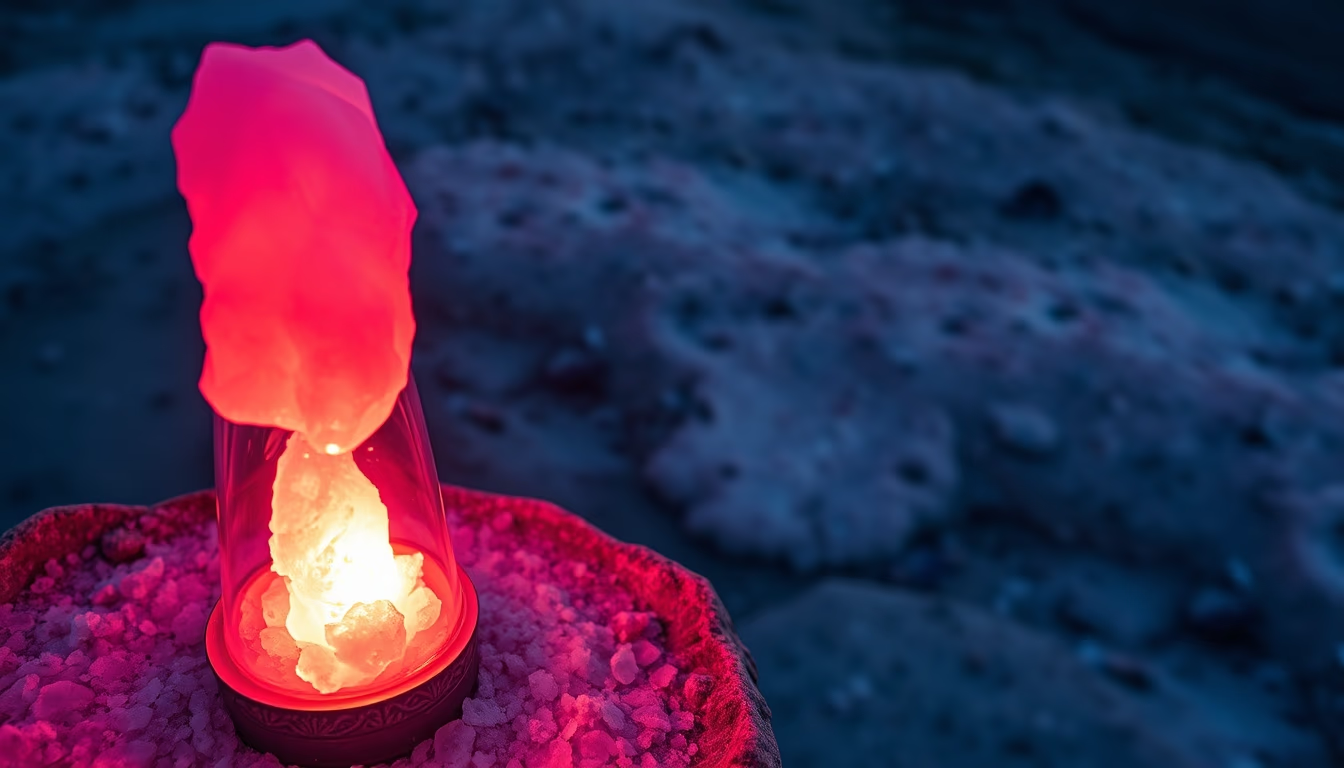
The warm glow of a fireplace creates a relaxing and cozy atmosphere, essential in cultures that value hygge and well-being.
About this subject
The fireplace is one of the oldest elements of domestic architecture, dating back to the controlled use of fire by Paleolithic peoples over 400,000 years ago. Initially placed in the center of dwellings for heating and cooking, it moved to walls with the advent of chimneys in medieval Europe. Today, fireplaces have evolved into wood-burning, gas, ethanol, or electric models, but all share the same visual appeal: the dancing flame and radiant heat.
Culturally, the fireplace symbolizes warmth and family gathering. In Denmark, the concept of hygge (cozy well-being) is strongly associated with rooms featuring a fireplace, candles, and soft lighting. In Nordic countries with harsh winters, sitting by the fire is a ritual of comfort and introspection. Environmental psychology studies show that the orange light and erratic movement of flames reduce cortisol levels, promoting relaxation.
Technically, fireplace efficiency varies by material and design. Masonry fireplaces retain heat longer, while cast-iron models heat up quickly. Oak or eucalyptus firewood produces long-lasting embers, while pine burns faster but creates more soot. Pellet stoves are modern options with better temperature control and lower emissions.
In interior design, the fireplace often serves as the focal point of living rooms. Its style can range from rustic (stone and wood) to contemporary (clean lines and glass). The presence of fire influences furniture and rug choices, which must be heat-resistant. With the growing interest in home wellness, fireplaces have become desirable items in wellness design projects.
Frequently Asked Questions
Why is fireplace light considered relaxing?
The orange light and erratic movement of flames stimulate the parasympathetic nervous system, reducing stress. Studies show that watching fire lowers blood pressure and promotes a sense of safety, likely due to evolutionary associations with protection and comfort.
What are the most common types of fireplaces?
The main types are: wood-burning (traditional, real flame), gas (convenient, adjustable flame), electric (easy installation, no emissions), and ethanol (eco-friendly, no chimney required). Each suits different space, budget, and efficiency needs.
What is the concept of hygge and how does a fireplace relate to it?
Hygge is a Danish term describing a cozy, warm atmosphere, often with soft lighting, candles, and human warmth. The fireplace is a central element of hygge because it provides both physical and visual warmth, creating an environment conducive to relaxation and togetherness.
Direct URL
https://pub-c7d6a6ea828543ac903a74a341ccb2e1.r2.dev/imagens/fireplace-warm-glow-fine-art-photography-p2.avifHow to credit
Include a visible link back to UtilizAí. Copy one of the snippets below:
<a href="https://xn--utiliza-eza.com/en/midia/imagens/fireplace-warm-glow-fine-art-photography-p2">Fireplace warm glow</a> by <a href="https://xn--utiliza-eza.com">UtilizAí</a>, licensed under <a href="https://creativecommons.org/licenses/by/4.0/">CC BY 4.0</a>.
[Fireplace warm glow](https://xn--utiliza-eza.com/en/midia/imagens/fireplace-warm-glow-fine-art-photography-p2) by [UtilizAí](https://xn--utiliza-eza.com), CC BY 4.0
License: CC-BY-4.0