Film camera vintage cinematic
1344×768 · AVIF · CC BY 4.0

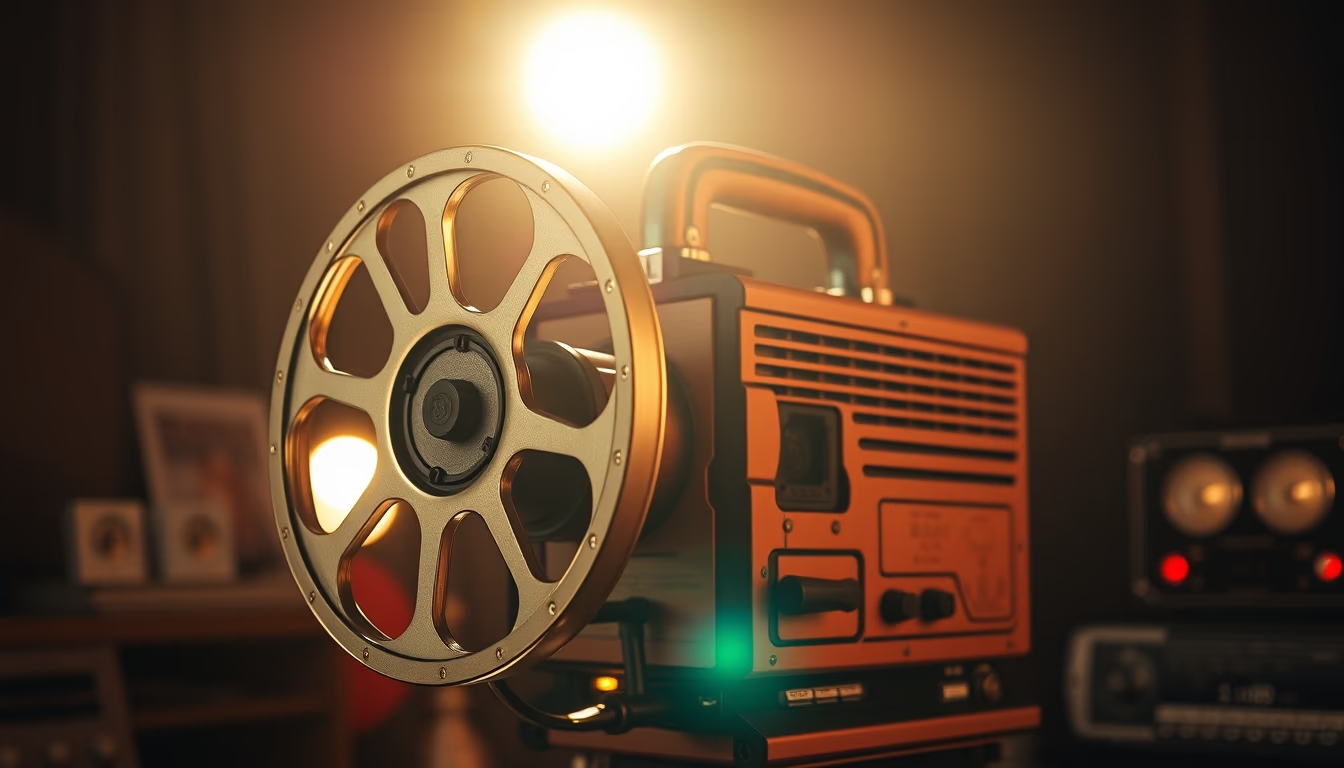
Vintage film cameras, such as classic Bolex and Arriflex models, shaped independent cinema history and now inspire a lo-fi aesthetic revival.
About this subject
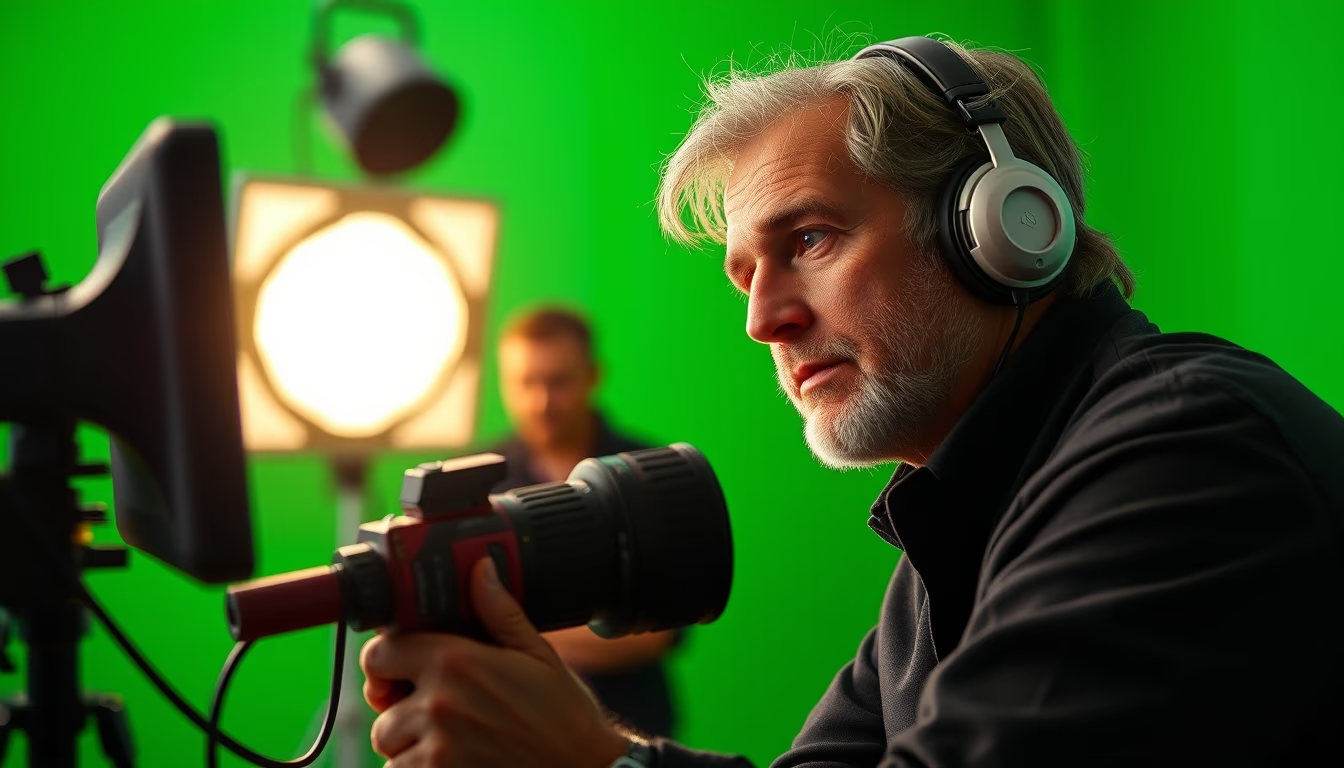
Vintage film cameras are true relics of cinema history. Models like the Bolex H16, launched in the 1930s, and the Arriflex 16S from the 1950s became icons of independent and documentary filmmaking. Unlike modern digital cameras, these machines demand technical knowledge and patience: the 16mm film is loaded manually, focus and exposure are adjusted by hand, and sound must be recorded separately. Many avant-garde filmmakers, such as Stan Brakhage and members of the Dogma 95 movement, used these cameras to create raw and authentic works.
The revival of vintage cameras is tied to the lo-fi movement and disposable photography. Contemporary artists seek the grainy texture, saturated colors, and imperfections that only analog film provides. Additionally, the culture of low-cost disposable cameras popularized the "found footage" look and the mockumentary style. Today, a well-preserved Bolex H16 can be worth thousands of dollars, coveted by collectors and cinephiles.
A fun fact: the Arriflex 16S was the first 16mm camera to feature a rotating mirror for a reflex viewfinder, allowing the operator to see exactly the frame being filmed. This innovation, introduced in 1952, revolutionized amateur and professional cinematography. The Bolex H16 is known for its robust construction and the ability to rewind film for multiple exposures, a technique used in pre-digital special effects.
Frequently Asked Questions
How does a vintage film camera work?
Vintage film cameras are usually mechanical, using springs or cranks to advance the film. The operator adjusts focus and exposure manually. The film is developed in a lab.
What are the most famous vintage film camera models?
The most iconic models include the Bolex H16, Arriflex 16S, and Eclair NPR. Each has unique features and was used in classic films.
Why are vintage cameras coming back in style?
The lo-fi aesthetic values grain, imperfections, and natural film color. Many photographers and filmmakers seek this nostalgic look, avoiding digital perfection.
Direct URL
https://pub-c7d6a6ea828543ac903a74a341ccb2e1.r2.dev/imagens/film-camera-vintage-cinematic-lo-fi-disposable-camera-p5.avifHow to credit
Include a visible link back to UtilizAí. Copy one of the snippets below:
<a href="https://xn--utiliza-eza.com/en/midia/imagens/film-camera-vintage-cinematic-lo-fi-disposable-camera-p5">Film camera vintage cinematic</a> by <a href="https://xn--utiliza-eza.com">UtilizAí</a>, licensed under <a href="https://creativecommons.org/licenses/by/4.0/">CC BY 4.0</a>.
[Film camera vintage cinematic](https://xn--utiliza-eza.com/en/midia/imagens/film-camera-vintage-cinematic-lo-fi-disposable-camera-p5) by [UtilizAí](https://xn--utiliza-eza.com), CC BY 4.0
License: CC-BY-4.0