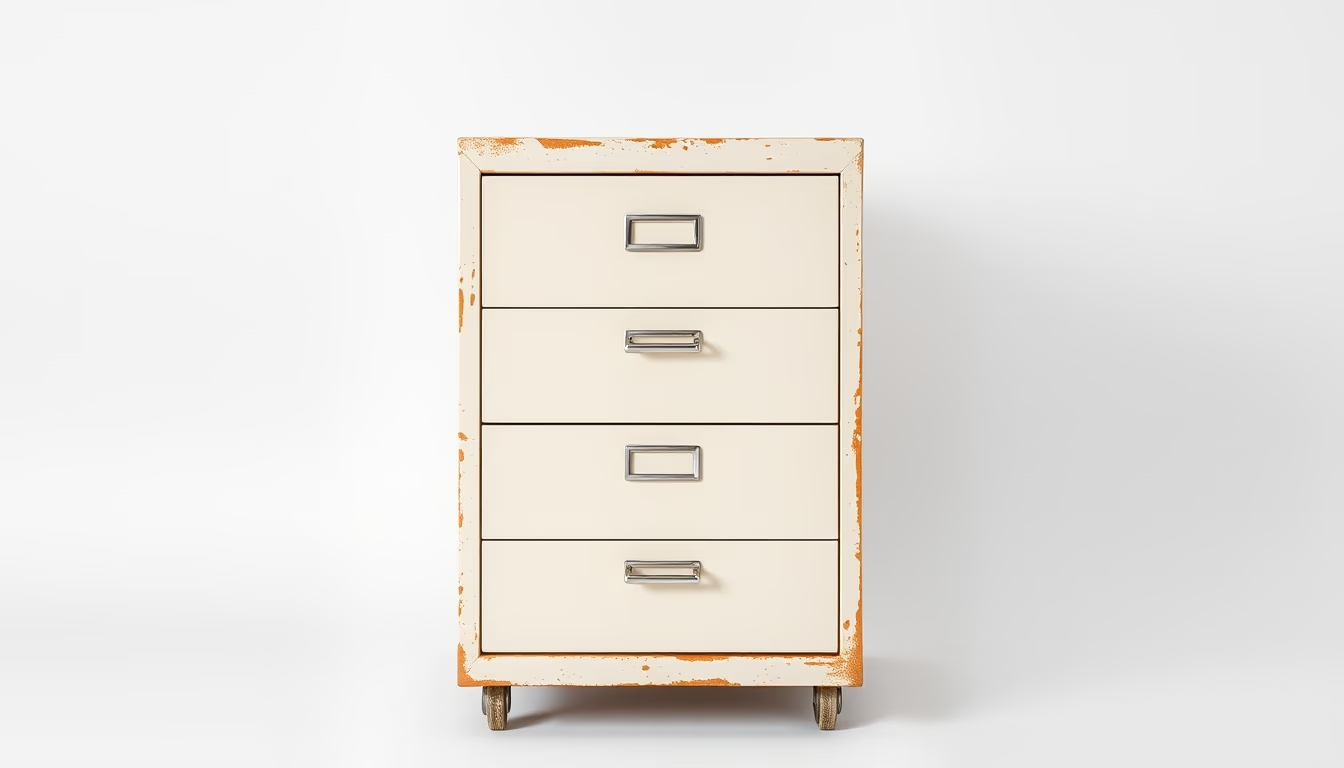
Filing cabinet vintage
1344×768 · AVIF · CC BY 4.0

The vintage filing cabinet is an iconic piece of 20th-century office furniture, a symbol of organization and retro style.
About this subject
The vintage filing cabinet, a central piece of offices from the 1940s to the 1970s, represents the golden age of document organization. Originally made of solid wood or steel with polished metal handles, these cabinets were designed to withstand heavy use and secure papers. Models like the two or four-drawer file cabinet became standard in companies, schools, and public agencies.
Its popularity grew alongside post-war corporate bureaucracy. Companies such as Steelcase and Herman Miller produced versions that combined functionality with modern design, influenced by the Bauhaus movement and industrial style. Sliding drawers, labeling systems, and integrated locks were innovations that enabled quick access to documents.
Beyond professional use, the vintage cabinet has gained collectible status in contemporary decor. Its robust design and clean lines are appreciated by interior designers for creating retro or industrial settings. Today, it is common to see them refurbished with vibrant paint or retaining original patina, used as a chest of drawers or sideboard.
Interestingly, digital obsolescence has not diminished these cabinets' appeal. With the rise of remote work, many professionals seek vintage cabinets to store important prints, books, or use as stands for plants and decorative objects. Their durability and timeless aesthetic ensure they remain relevant, merging past and present in a single object.
Frequently Asked Questions
What is the origin of the vintage filing cabinet?
The filing cabinet emerged in the late 19th century, but its classic vertical drawer design was consolidated in the 1930s with the rise of modern offices. The most common vintage models date from the 1950s and 1960s.
What materials were used in vintage filing cabinets?
Materials varied: solid wood, such as oak or walnut, for more noble models, and painted steel for industrial versions. Handles were typically chrome-plated metal or brass.
How to identify a quality vintage filing cabinet?
Check the sturdiness of the structure, smooth drawer operation, presence of original manufacturer marks, and intact details like handles and locks. Models with natural patina and no rust are more valuable.
Direct URL
https://pub-c7d6a6ea828543ac903a74a341ccb2e1.r2.dev/imagens/filing-cabinet-vintage-fine-art-photography-p4.avifHow to credit
Include a visible link back to UtilizAí. Copy one of the snippets below:
<a href="https://xn--utiliza-eza.com/en/midia/imagens/filing-cabinet-vintage-fine-art-photography-p4">Filing cabinet vintage</a> by <a href="https://xn--utiliza-eza.com">UtilizAí</a>, licensed under <a href="https://creativecommons.org/licenses/by/4.0/">CC BY 4.0</a>.
[Filing cabinet vintage](https://xn--utiliza-eza.com/en/midia/imagens/filing-cabinet-vintage-fine-art-photography-p4) by [UtilizAí](https://xn--utiliza-eza.com), CC BY 4.0
License: CC-BY-4.0