Ferry boat harbor
1344×768 · AVIF · CC BY 4.0
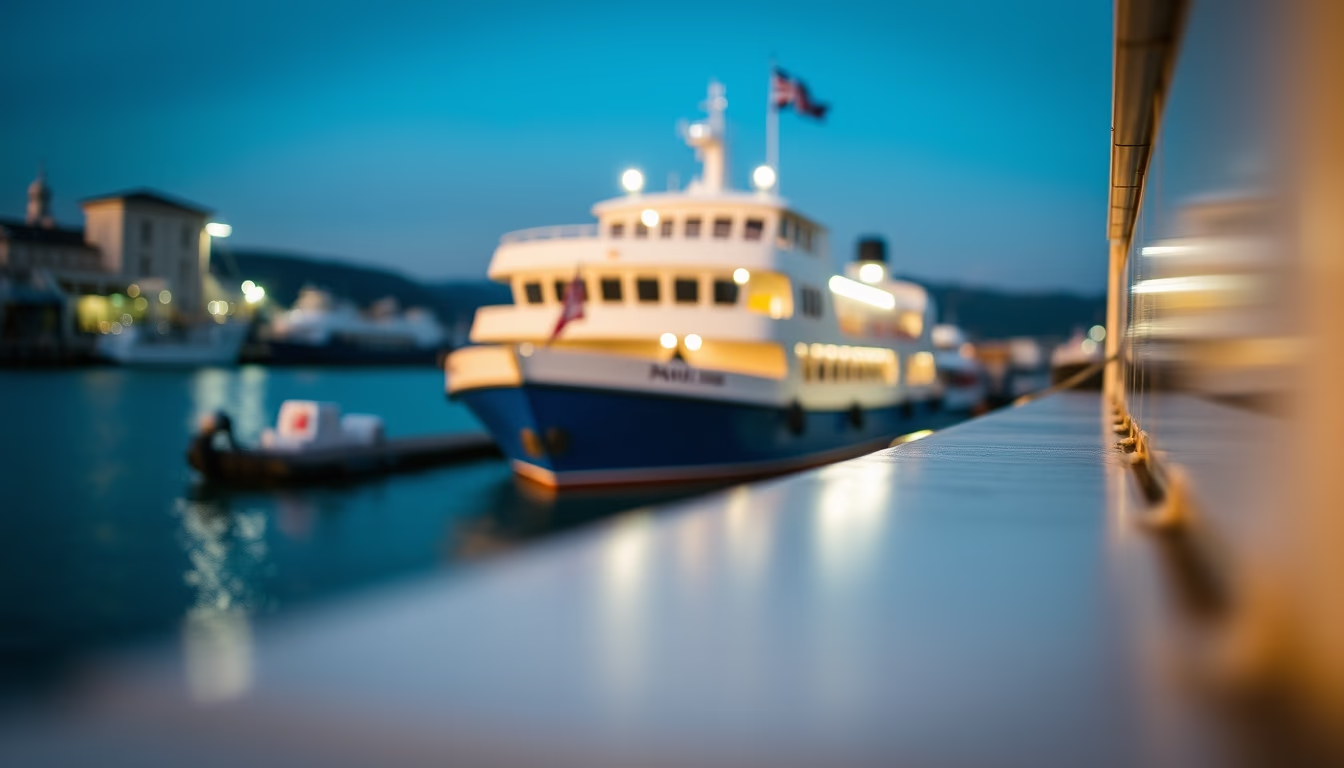
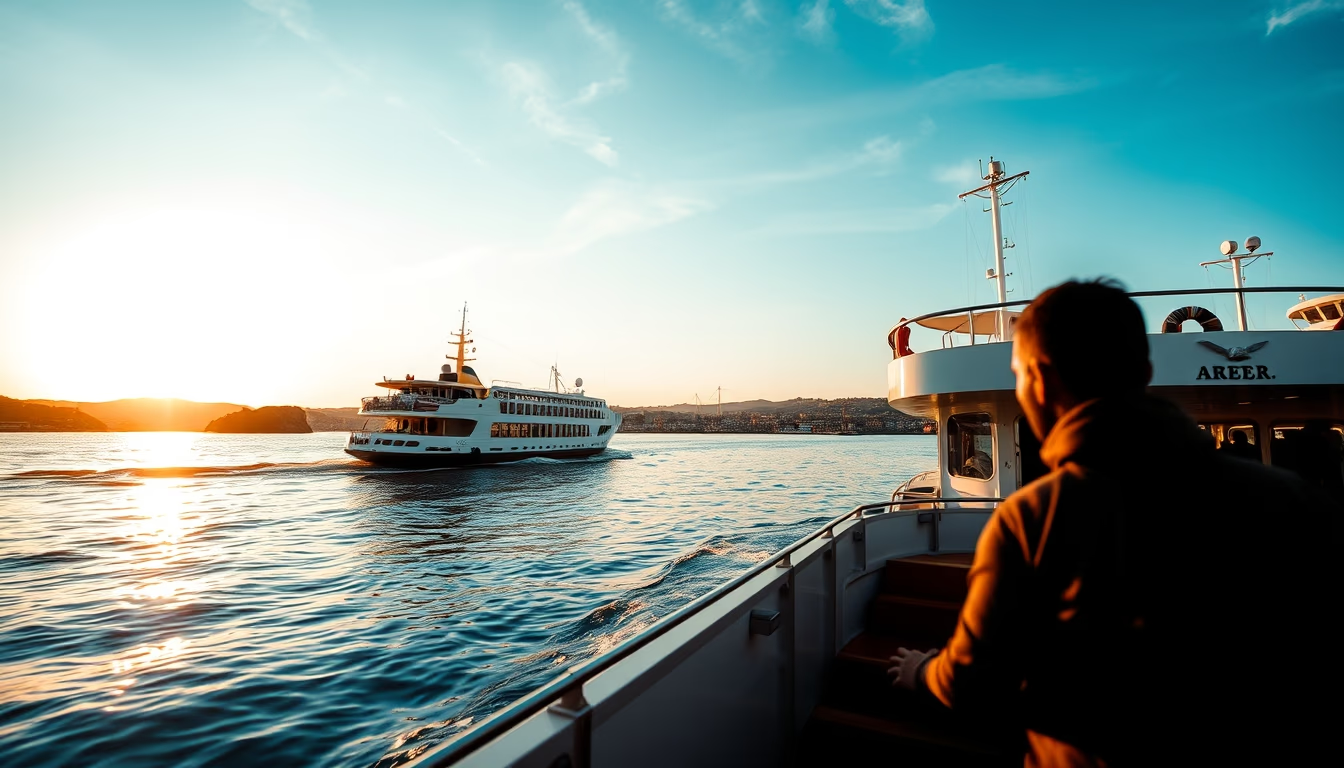
Ferry boat harbors are essential infrastructures connecting communities separated by water bodies, operating around the clock on thousands of global routes.
About this subject
A ferry boat harbor, also known as a ferry terminal, is a facility designed for boarding and disembarking passengers and vehicles from ferries. These terminals range from small rustic piers to large complexes with multiple berths, adjustable ramps (linkspans), and waiting areas. Notable examples include the Staten Island Ferry Terminal in New York, which carries about 22 million passengers annually, and the Port of Helsinki in Finland, a hub for ferries connecting Scandinavia to the Baltic. The engineering behind these harbors faces challenges such as tidal variations, currents, and the need for rapid vehicle circulation. Many modern terminals use lift-bridge systems to adapt to different water levels, ensuring efficiency even in adverse weather. Historically, ferries are among the oldest modes of transport, and their harbors have evolved from simple docking points to complex logistics nodes, often integrated with urban public transit networks. The cultural importance of these harbors is immense: in places like Venice, ferries (vaporettos) are a vital part of daily life, while in Bangladesh, ferry terminals move millions of people across the Ganges delta. Safety is a priority, with strict protocols for vehicle loading and emergency evacuation. Interestingly, the world's largest ferry terminal by area is the Hong Kong Ferry Terminal, which serves destinations like Macau and remote islands, processing over 20 million passengers annually. The trend for 2026 points toward more sustainable terminals, with electric ferries and designs that minimize environmental impact, reflecting the global push to decarbonize maritime transport.
Frequently Asked Questions
What is the difference between a ferry harbor and a regular port?
A ferry harbor is specialized for rapid boarding of passengers and vehicles, with adjustable ramps and waiting areas, while regular ports focus on containerized cargo and large vessels. Ferry terminals prioritize short docking cycles and continuous operation.
How do adjustable ramps work at ferry terminals?
Adjustable ramps, or linkspans, compensate for the height difference between the dock and the ferry due to tide or load. They are raised or lowered by hydraulic or mechanical systems, allowing safe boarding of vehicles and pedestrians in any tide condition.
What are the largest ferry harbors in the world?
Among the largest are Hong Kong Ferry Terminal (by area), Staten Island Ferry Terminal in New York (by passengers), and the Port of Helsinki in Finland (by international routes). The Port of Dover in the UK is also one of the busiest for vehicle traffic.
Direct URL
https://pub-c7d6a6ea828543ac903a74a341ccb2e1.r2.dev/imagens/ferry-boat-harbor-macro-closeup-p0.avifHow to credit
Include a visible link back to UtilizAí. Copy one of the snippets below:
<a href="https://xn--utiliza-eza.com/en/midia/imagens/ferry-boat-harbor-macro-closeup-p0">Ferry boat harbor</a> by <a href="https://xn--utiliza-eza.com">UtilizAí</a>, licensed under <a href="https://creativecommons.org/licenses/by/4.0/">CC BY 4.0</a>.
[Ferry boat harbor](https://xn--utiliza-eza.com/en/midia/imagens/ferry-boat-harbor-macro-closeup-p0) by [UtilizAí](https://xn--utiliza-eza.com), CC BY 4.0
License: CC-BY-4.0