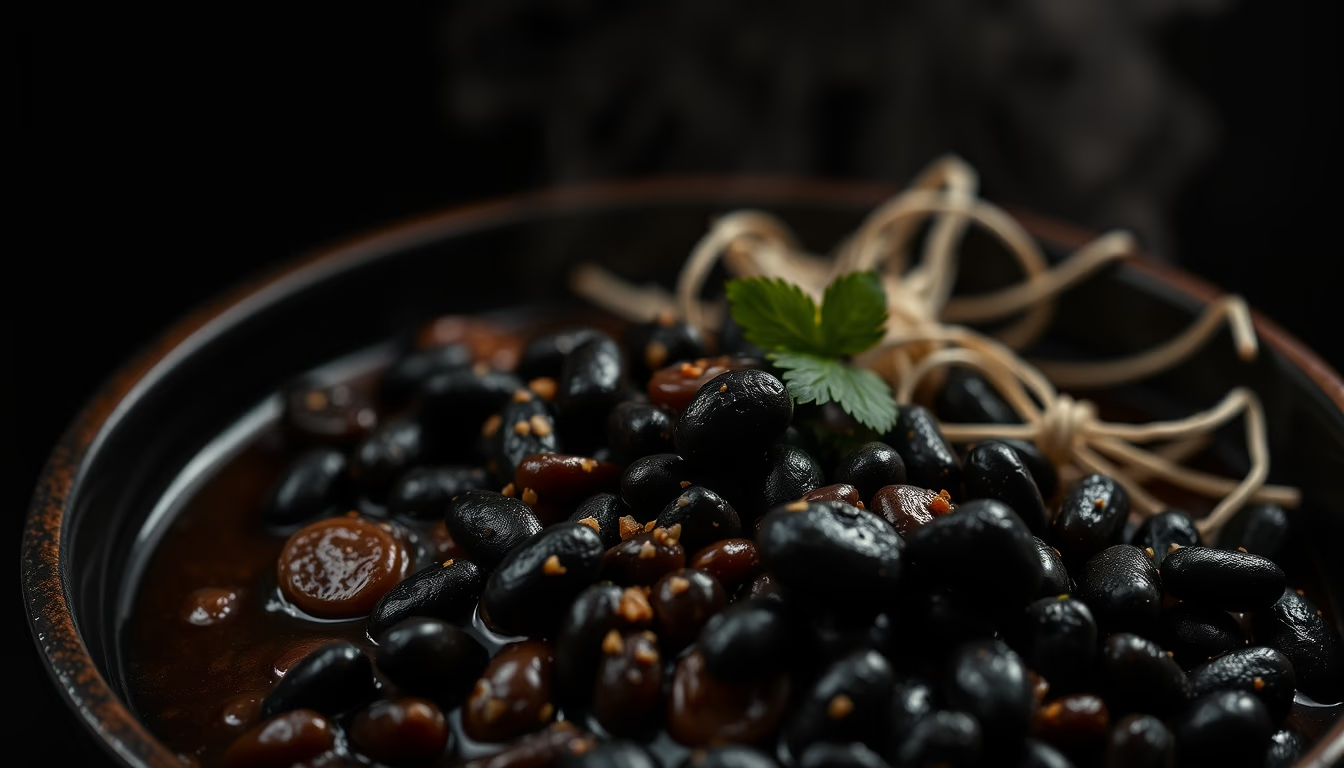
Feijoada brazilian black beans
1344×768 · AVIF · CC BY 4.0
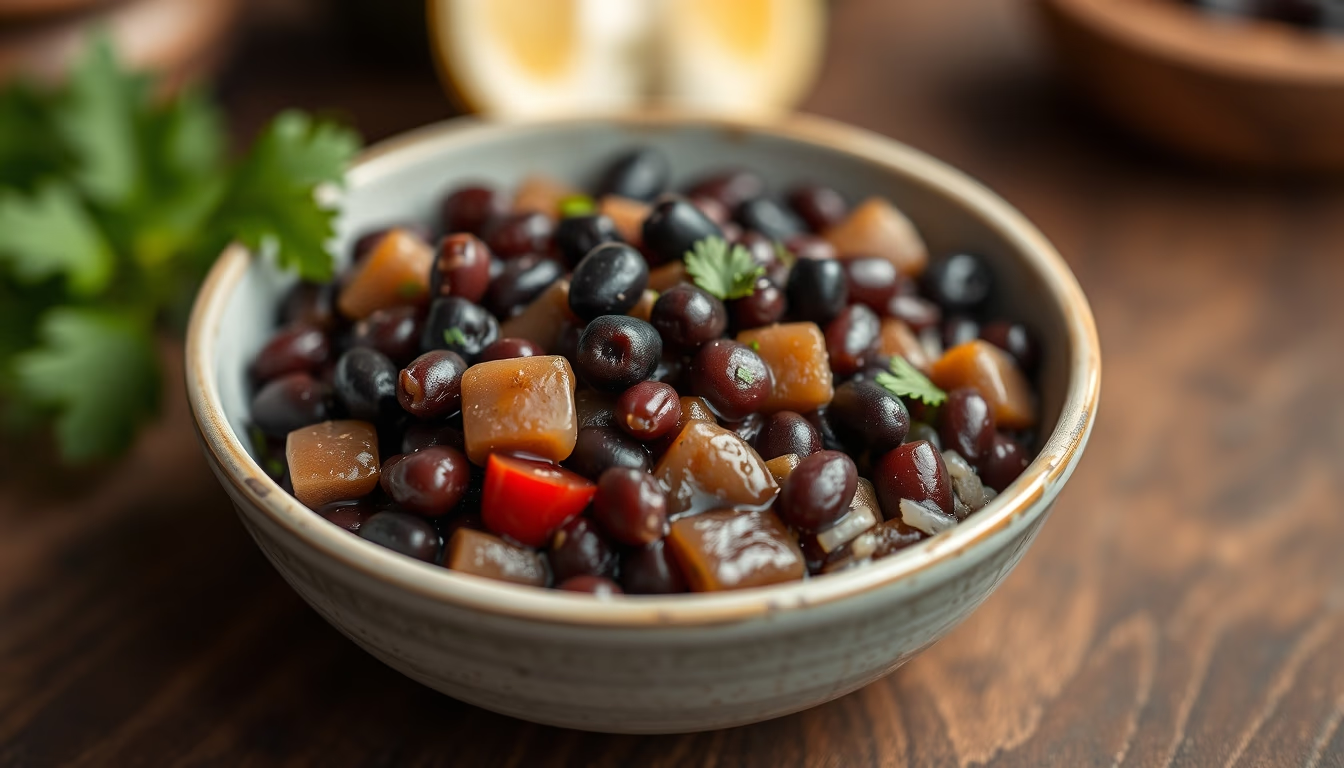
Feijoada is Brazil's most emblematic dish, combining black beans with salted and smoked meats in a rich and flavorful stew.
About this subject
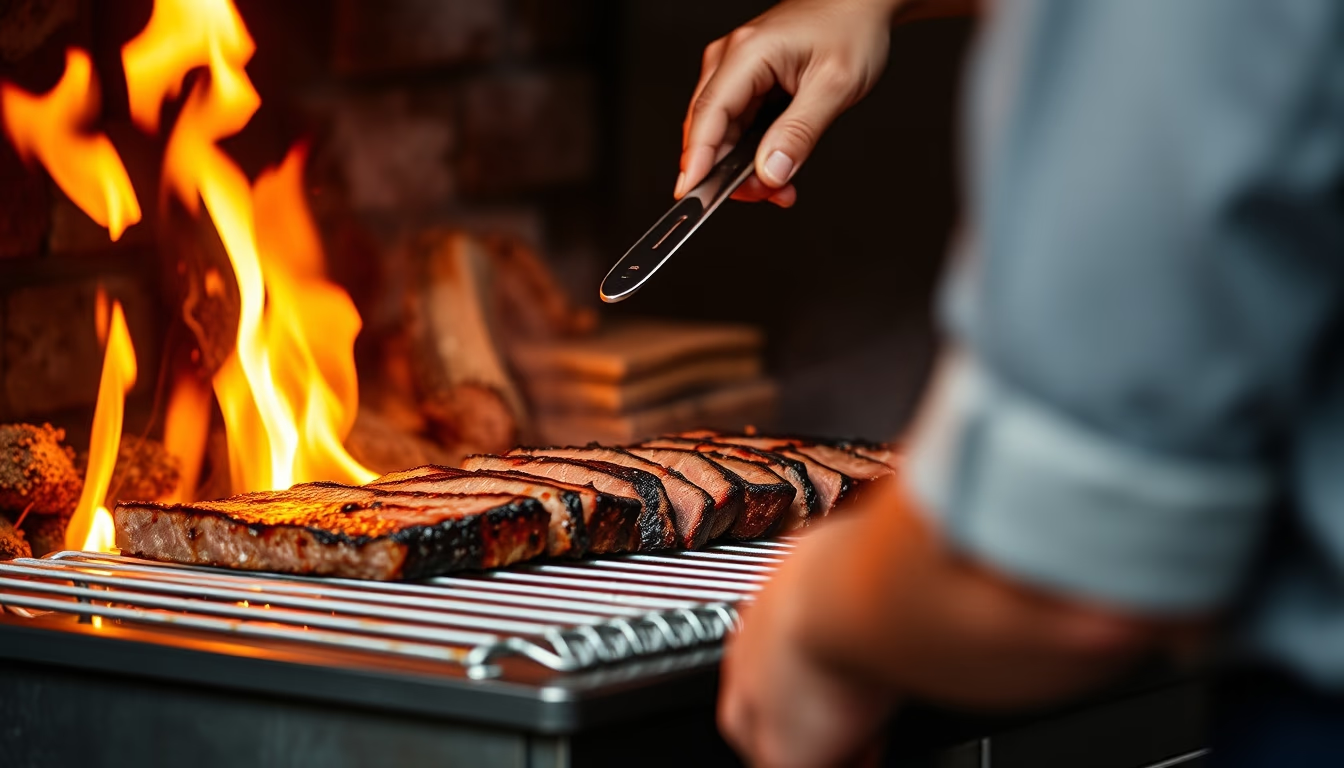
Feijoada is a black bean stew with various cuts of pork and beef, such as ribs, trotters, ears, tail, smoked sausage, and jerked beef. Its origin is debated: some point to Portuguese influences from European stews, while others argue it was created by enslaved people in slave quarters, using parts of the pig discarded by the masters. The dish gained national prominence during the 19th century, when it began to be served in wealthy homes and later in restaurants.
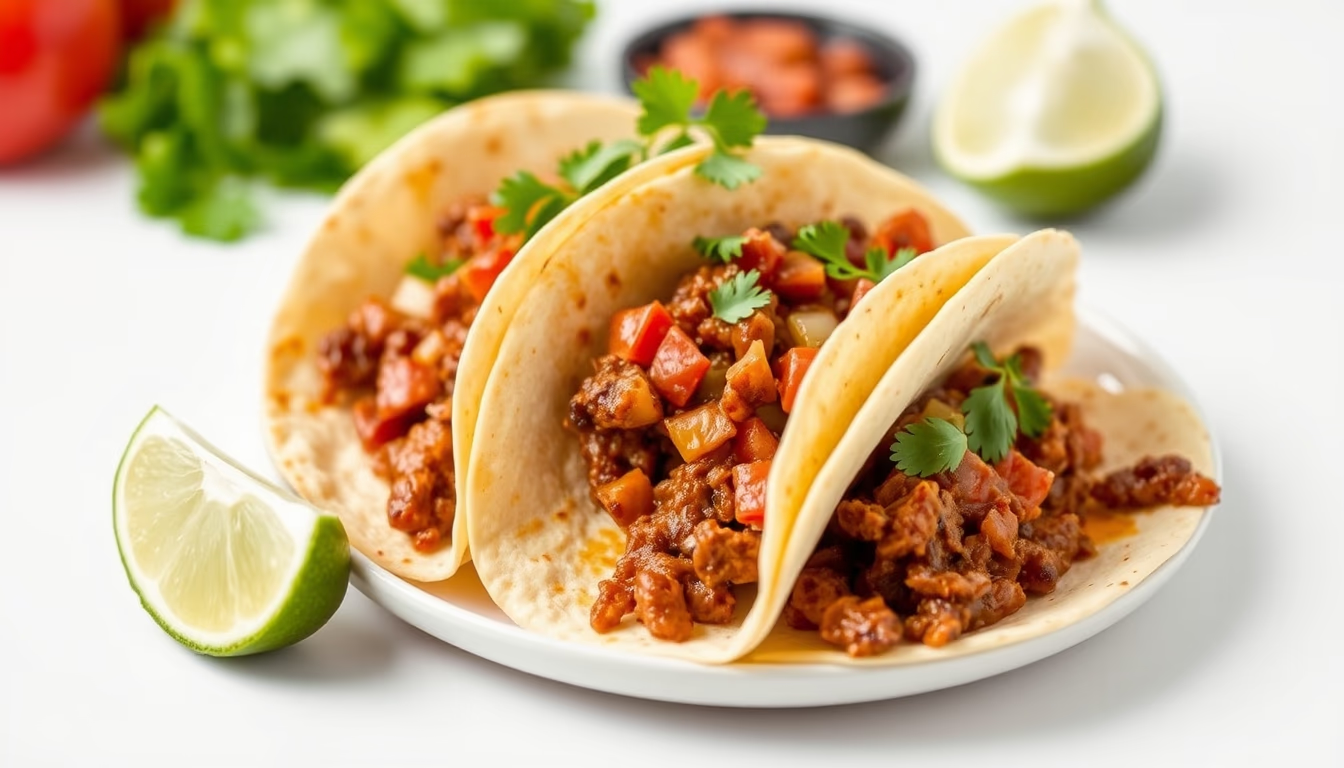
Traditional preparation requires black beans to be slowly cooked with the meats, seasoned with garlic, onion, bay leaf, and pepper. Classic side dishes include white rice, sautéed collard greens, farofa (toasted cassava flour), pork cracklings, and sliced orange, which helps cut the fat. Each Brazilian region developed its own variations: in Rio de Janeiro, the full version is served on Wednesdays and Saturdays; in São Paulo, it may include paio sausage and smoked ribs; in the Northeast, green or mulatinho beans replace the black ones.
Culturally, feijoada symbolizes fellowship and resilience. Once a humble dish, it has become a candidate for intangible national heritage. Today, family gatherings around a large pot are common, accompanied by caipirinhas and music. The complexity of flavors and textures reflects Brazil's miscegenation, uniting Indigenous, African, and European techniques. In 2019, IPHAN started studies to recognize feijoada as Brazil's Cultural Heritage, consolidating its historical and gastronomic importance.
Frequently Asked Questions
What is the origin of feijoada?
There is no consensus: the most popular version credits enslaved people for creating it from leftover pork parts, but historians point to roots in Portuguese stews like 'cozido à portuguesa', adapted to Brazilian ingredients.
What are the traditional side dishes for feijoada?
White rice, sautéed collard greens, farofa (toasted cassava flour), pork cracklings, and sliced orange. Also common are hot sauce, vinaigrette, and in some regions, fried banana.
Why is feijoada served on Wednesdays and Saturdays?
In Rio de Janeiro, the tradition started in restaurants offering feijoada as a dish of the day on those days. Over time it became a cultural habit, associated with long weekend lunches.
Direct URL
https://pub-c7d6a6ea828543ac903a74a341ccb2e1.r2.dev/imagens/feijoada-brazilian-black-beans-tilt-shift-miniature-fresh5.avifHow to credit
Include a visible link back to UtilizAí. Copy one of the snippets below:
<a href="https://xn--utiliza-eza.com/en/midia/imagens/feijoada-brazilian-black-beans-tilt-shift-miniature-fresh5">Feijoada brazilian black beans</a> by <a href="https://xn--utiliza-eza.com">UtilizAí</a>, licensed under <a href="https://creativecommons.org/licenses/by/4.0/">CC BY 4.0</a>.
[Feijoada brazilian black beans](https://xn--utiliza-eza.com/en/midia/imagens/feijoada-brazilian-black-beans-tilt-shift-miniature-fresh5) by [UtilizAí](https://xn--utiliza-eza.com), CC BY 4.0
License: CC-BY-4.0