Feijoada brazilian black beans
1344×768 · AVIF · CC BY 4.0
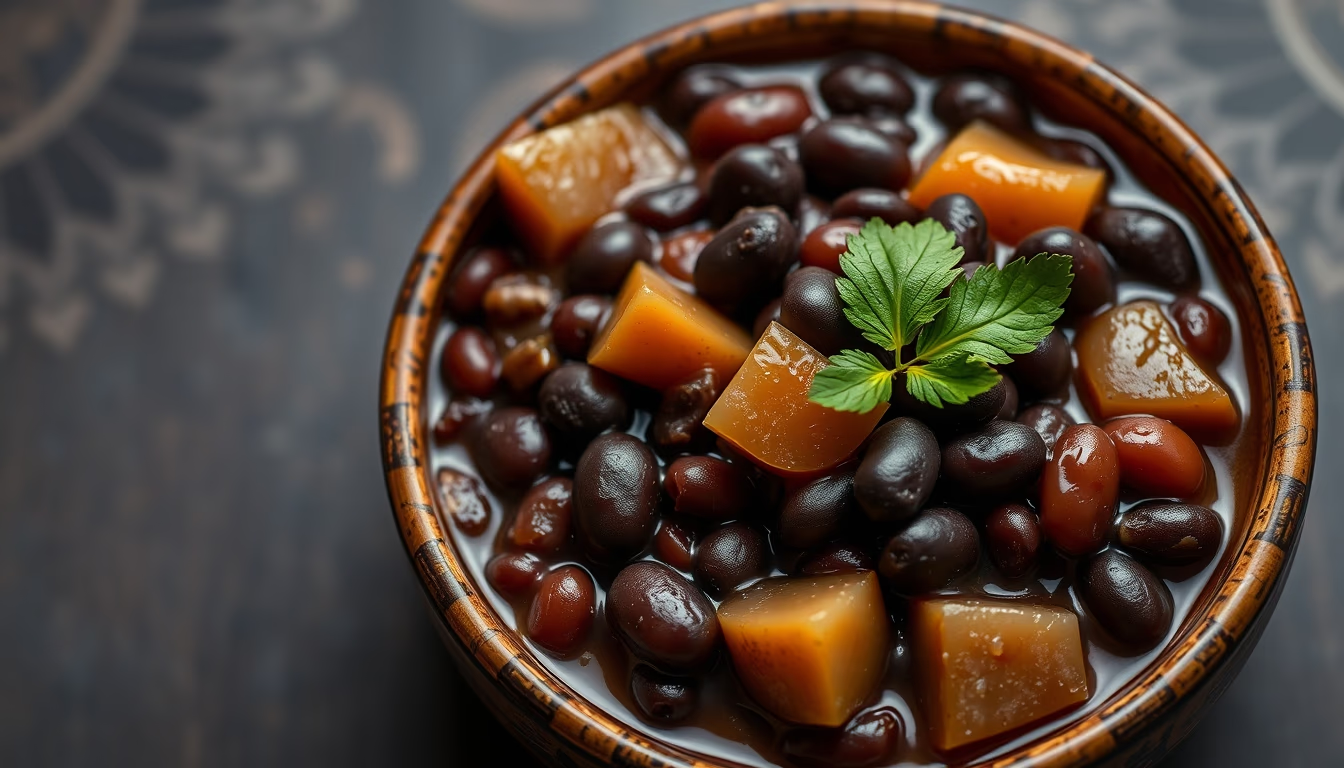
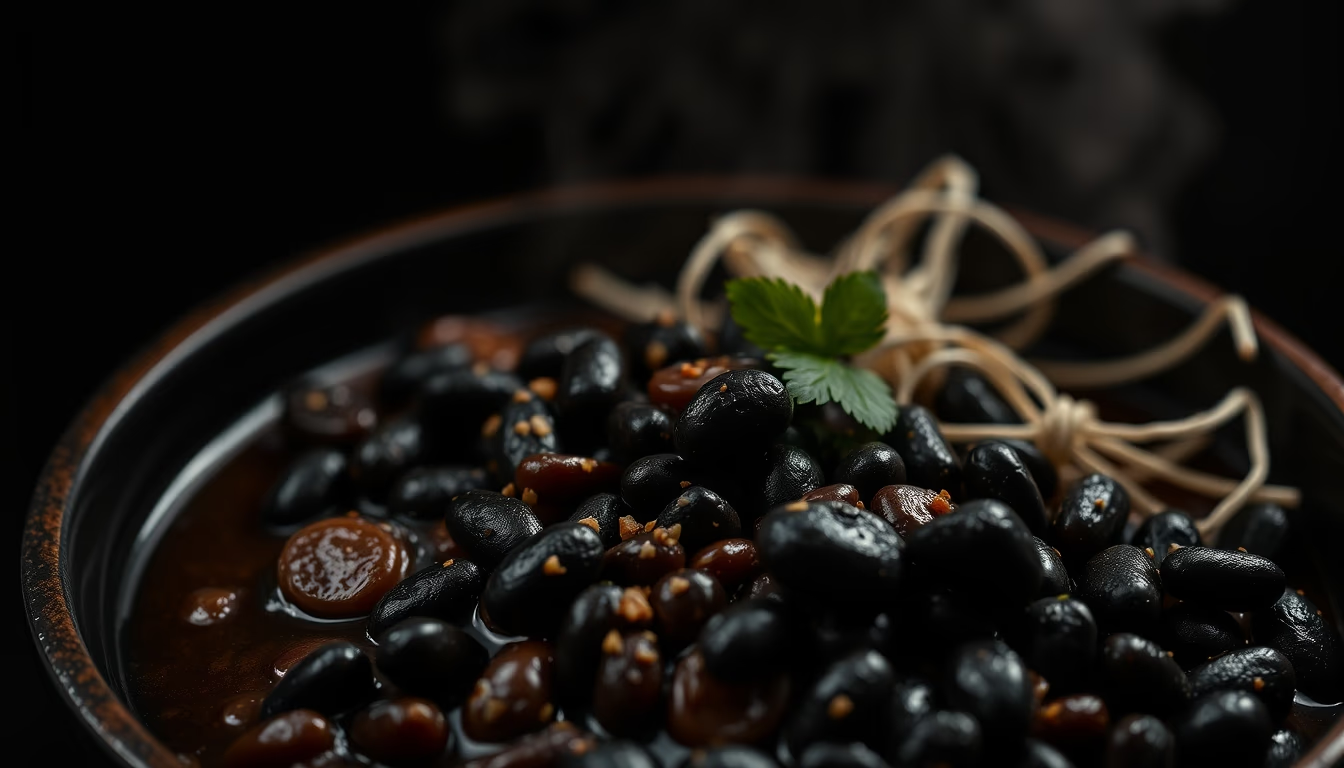
Feijoada, a typical Brazilian black bean and meat stew, is a symbol of national cuisine with complex historical origins.
About this subject
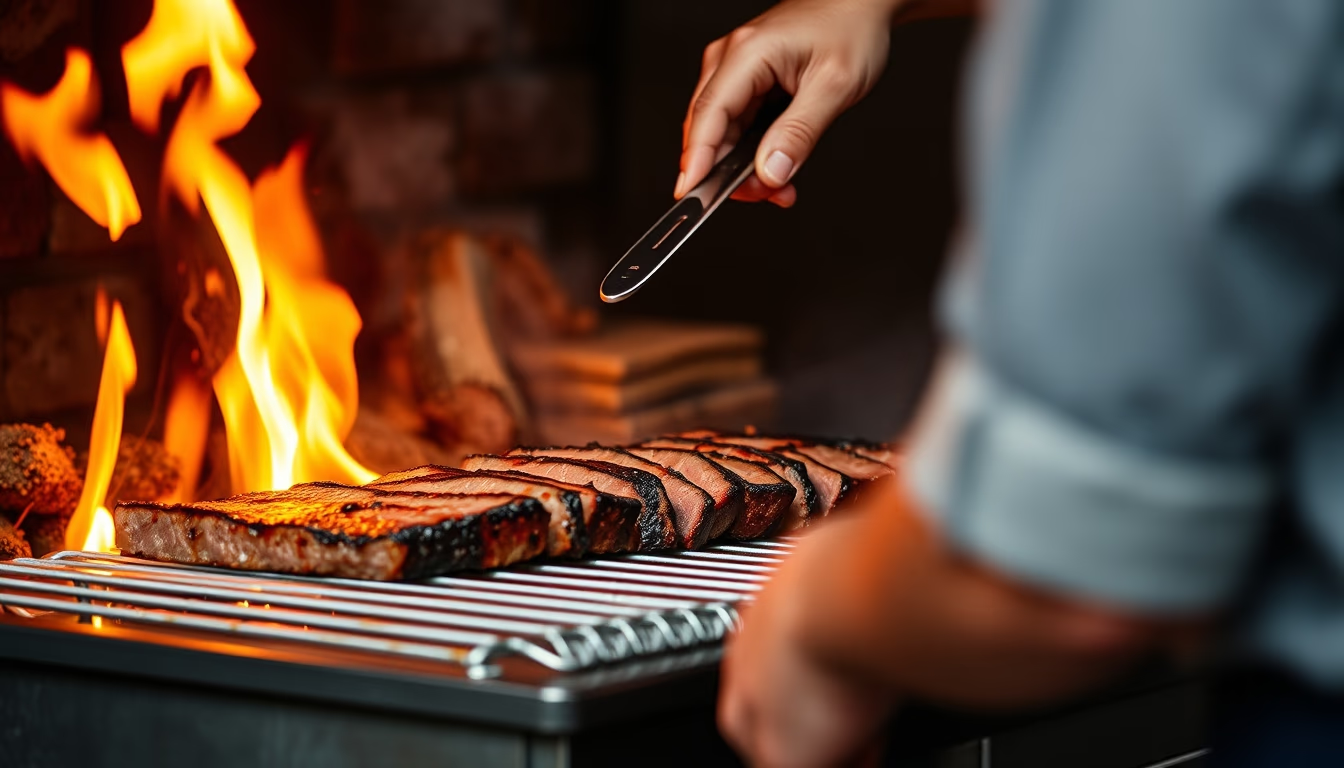
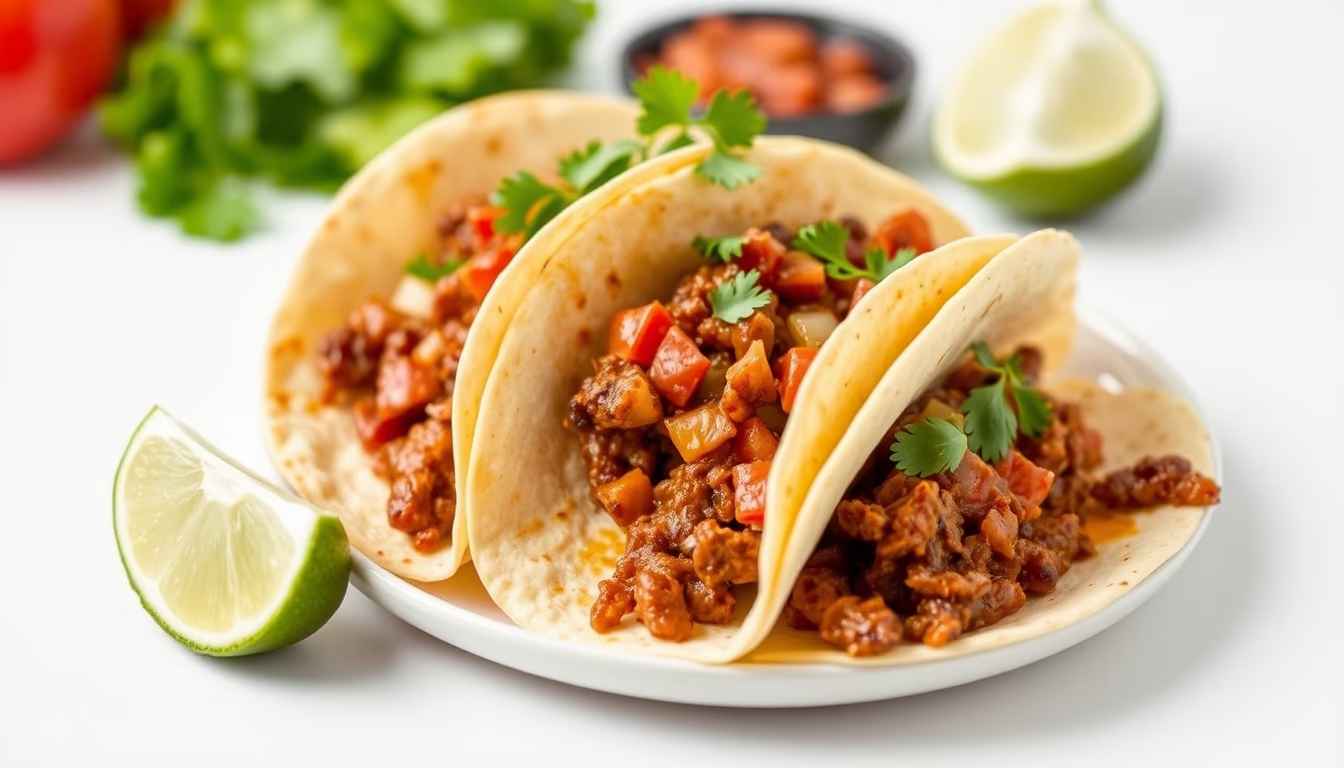
Feijoada is a black bean stew with various cuts of pork and beef, such as ribs, loin, ear, tail, and sausage. It is traditionally served with white rice, sautéed collard greens, farofa (toasted cassava flour), pork cracklings, and sliced oranges. The dish is so emblematic that it has become a social ritual, especially on Saturdays, in restaurants and homes across Brazil.
The origin of feijoada is often attributed to slave quarters, where slaves would use leftover meat from their masters. However, historians question this version, noting that bean and meat stews were already common in Portugal and Africa. The modern feijoada, with black beans and salted meats, consolidated in Rio de Janeiro in the 19th century, gaining status as a national dish.
A full feijoada includes fresh and smoked meats like paio (smoked sausage), carne-seca (dried beef), and pork ribs. The preparation requires a thick bean broth, slowly cooked with seasonings such as garlic, onion, bay leaf, and chili. Each Brazilian region has variations: in the Northeast, green or mulatinho beans are used; in the South, jerky is added. Side dishes like finely chopped collard greens and buttery farofa are essential.
Nutritionally, feijoada is rich in iron and protein but also high in calories due to the meats and farofa. It is frequently enjoyed with caipirinha or cold beer. In 2019, the dish was declared an Intangible Cultural Heritage of Rio de Janeiro. Feijoada represents Brazil's miscegenation, combining indigenous, African, and Portuguese influences.
Frequently Asked Questions
What is the true origin of feijoada?
The origin is controversial. While popularly linked to slave quarters, historians point out that bean-and-meat stews already existed in Portugal and Africa. The modern feijoada was consolidated in Rio de Janeiro during the 19th century, becoming a national symbol.
What meats are used in traditional feijoada?
The full feijoada uses fresh and smoked pork and beef cuts: ribs, loin, ear, tail, trotters, dried beef, paio sausage, linguica, and bacon. Choices vary by region and personal taste.
How is feijoada served and what are the typical side dishes?
It is served in a bowl or dish, accompanied by white rice, sautéed collard greens, farofa, pork cracklings, sliced oranges, and sometimes vinaigrette. The orange helps digest the fat. It is usually eaten with caipirinha or beer.
Direct URL
https://pub-c7d6a6ea828543ac903a74a341ccb2e1.r2.dev/imagens/feijoada-brazilian-black-beans-studio-editorial-portrait-fresh9.avifHow to credit
Include a visible link back to UtilizAí. Copy one of the snippets below:
<a href="https://xn--utiliza-eza.com/en/midia/imagens/feijoada-brazilian-black-beans-studio-editorial-portrait-fresh9">Feijoada brazilian black beans</a> by <a href="https://xn--utiliza-eza.com">UtilizAí</a>, licensed under <a href="https://creativecommons.org/licenses/by/4.0/">CC BY 4.0</a>.
[Feijoada brazilian black beans](https://xn--utiliza-eza.com/en/midia/imagens/feijoada-brazilian-black-beans-studio-editorial-portrait-fresh9) by [UtilizAí](https://xn--utiliza-eza.com), CC BY 4.0
License: CC-BY-4.0