Feijoada brazilian black beans
1344×768 · AVIF · CC BY 4.0
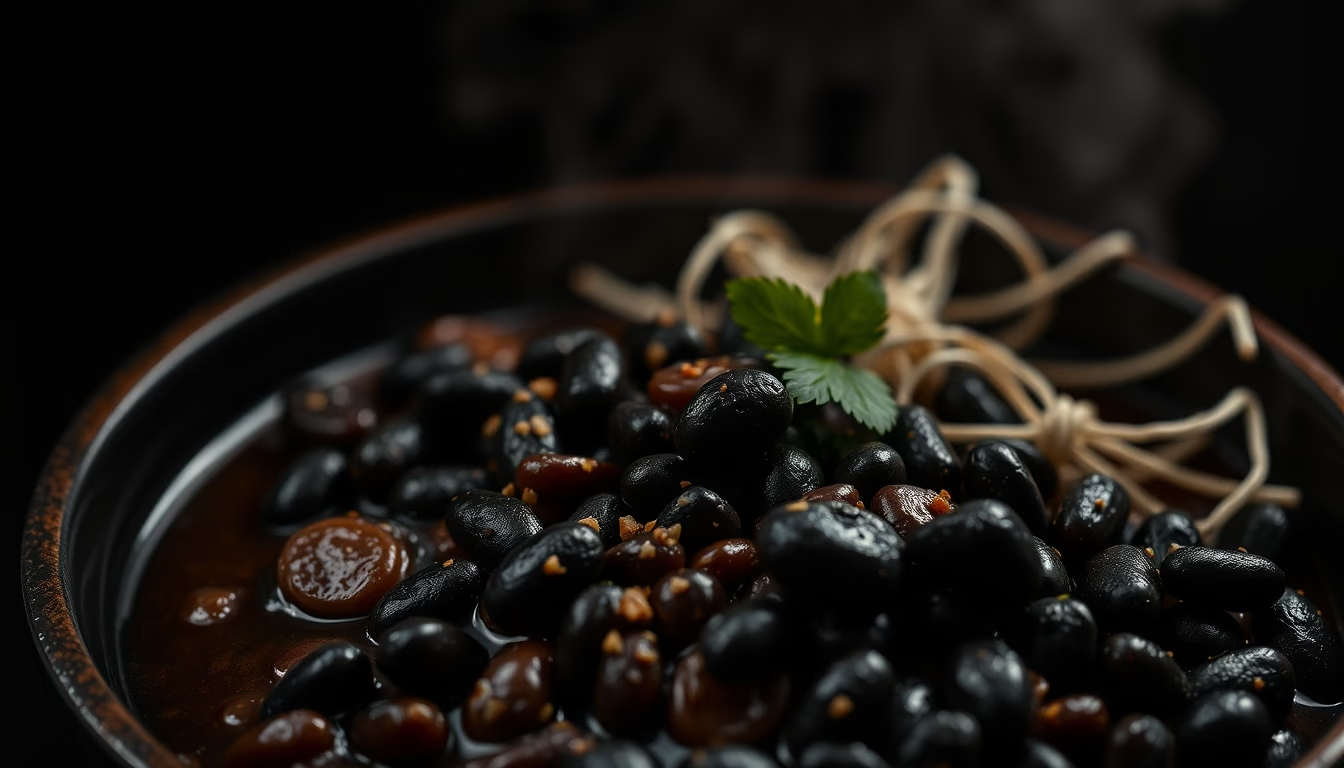
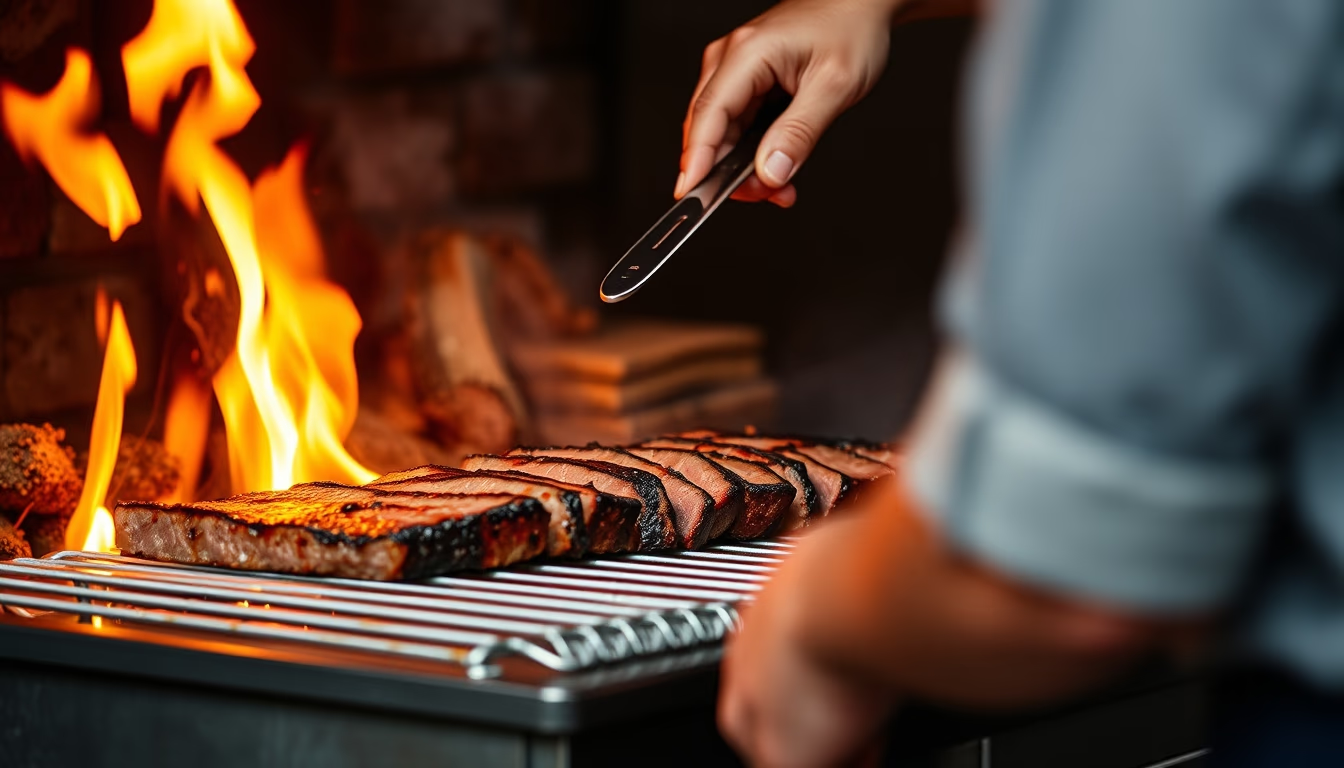
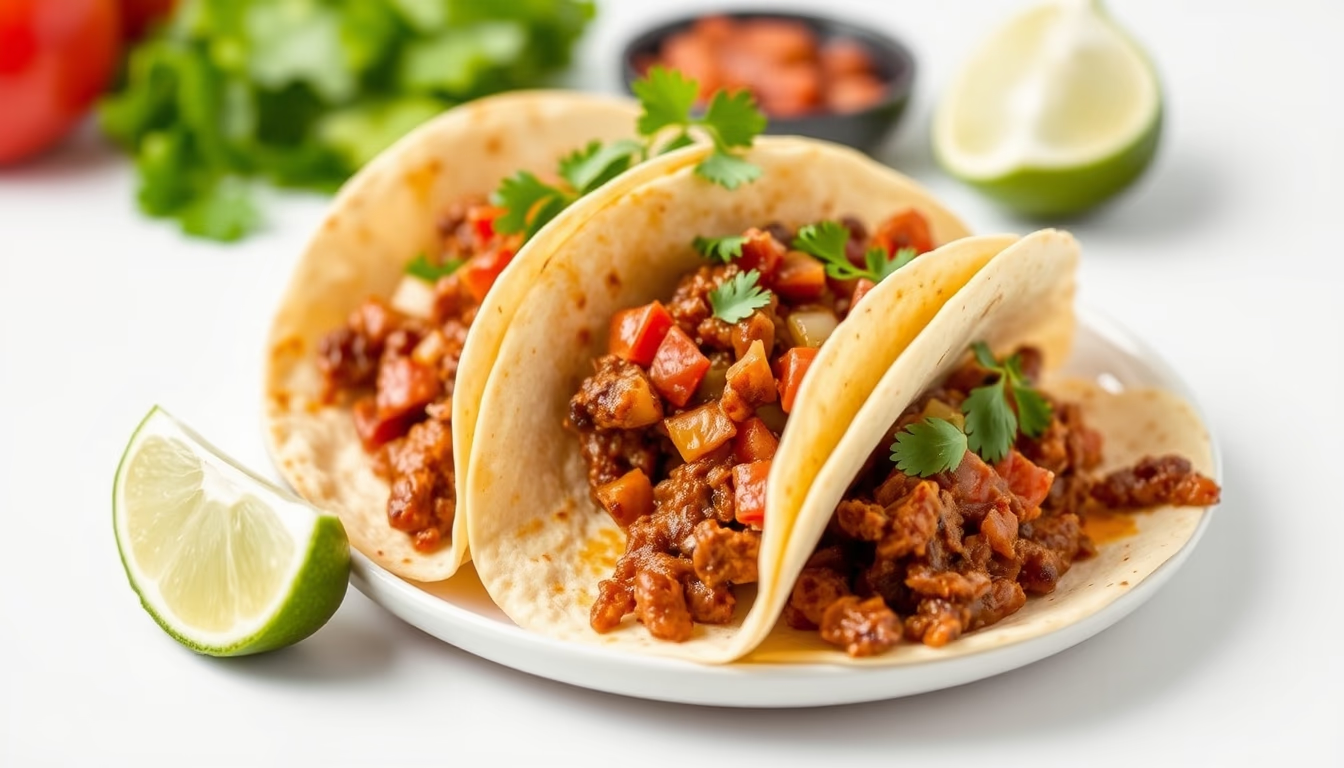
Feijoada is Brazil's national dish, a black bean stew with salted and smoked meats, served with rice, collard greens, and farofa.
About this subject
Feijoada is one of the most emblematic dishes of Brazilian cuisine, recognized as a symbol of national identity. Its origins date back to the colonial period when enslaved people adapted leftover meats from plantation owners with black beans, creating a nutritious and flavorful stew. Over time, the recipe was refined and today includes cuts such as ears, tail, trotters, loin, ribs, and sausage, as well as smoked meats like paio and bacon. The preparation is lengthy: black beans are cooked with meats seasoned with garlic, onion, bay leaf, and salt, resulting in a thick, aromatic broth.
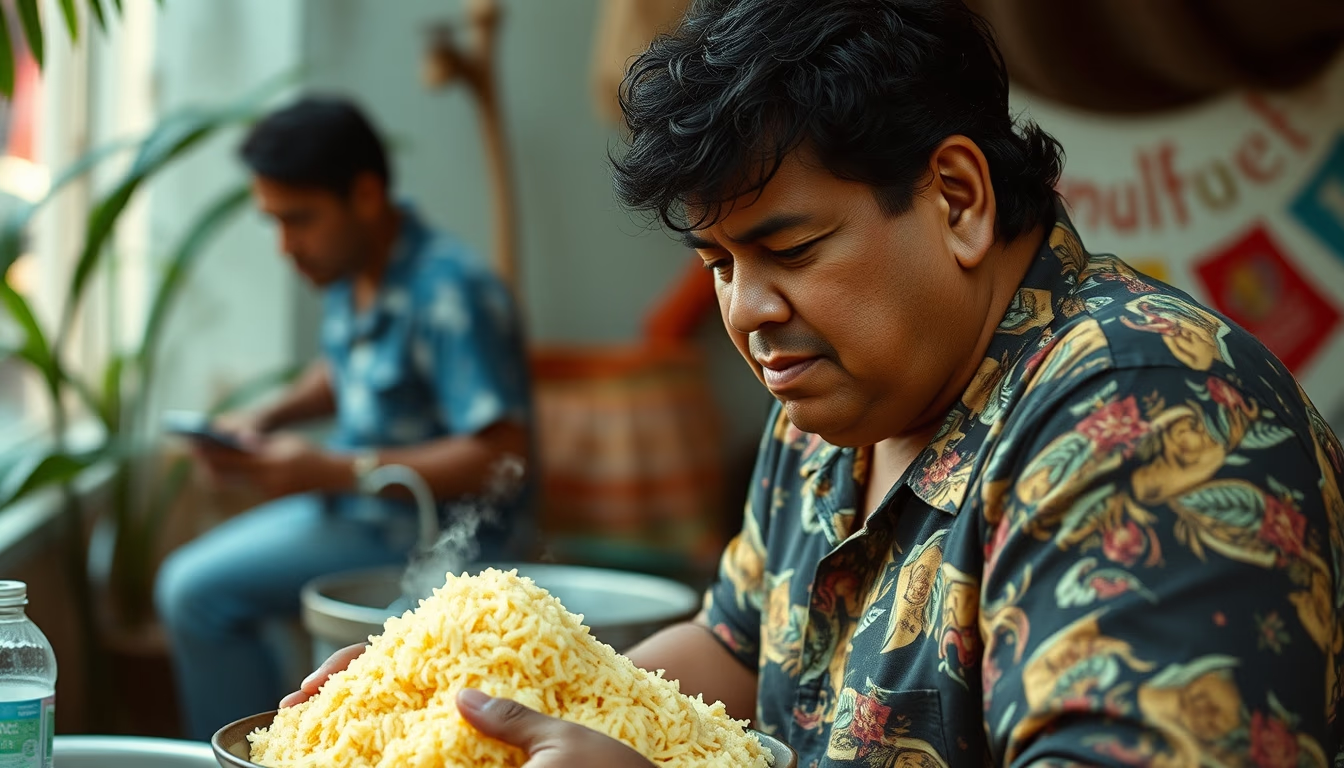
Traditional side dishes are essential to balance the intense flavors. Fluffy white rice, collard greens sautéed with garlic, crispy farofa (toasted cassava flour), sliced oranges (which aid digestion), and hot pepper (often malagueta pepper sauce) complete the dish. Feijoada is traditionally served on Wednesdays and Saturdays in bars and restaurants across Brazil, but it is also a staple at family lunches and June festivals.
Regional variations exist: in Rio de Janeiro, feijoada is brothier and includes more meat varieties; in São Paulo, it tends to be drier with fewer cuts. In the Northeast, it may use green or mulatinho beans, along with sun-dried beef. Despite adaptations, the essence remains the same: a dish of resistance, celebrating the mix of Indigenous, African, and European cultures that formed Brazil. Feijoada is so iconic that it was declared intangible cultural heritage of Rio de Janeiro and is the subject of songs, such as Chico Buarque's classic "Feijoada Completa".
The dish's popularity has crossed borders: it is found in Brazilian restaurants worldwide and is often voted one of the tastiest foods on the planet. Its richness of flavors and the tradition of sharing it at large tables make feijoada a true gastronomic ritual. For Brazilians, eating feijoada is more than nourishing; it is reconnecting with the country's history and soul.
Frequently Asked Questions
What is the origin of feijoada?
Feijoada originated during Brazil's colonial period, created by enslaved people who cooked black beans with leftover meat discarded by plantation owners, such as ears, trotters, and tails.
What are the traditional side dishes for feijoada?
Feijoada is served with white rice, collard greens sautéed with garlic, farofa (toasted cassava flour), sliced oranges, and hot pepper (usually malagueta). These items balance the dish's strong flavor.
On which days of the week is feijoada traditionally eaten in Brazil?
Traditionally, feijoada is served on Wednesdays and Saturdays in bars and restaurants across Brazil, but it is also common at family lunches and celebrations.
Direct URL
https://pub-c7d6a6ea828543ac903a74a341ccb2e1.r2.dev/imagens/feijoada-brazilian-black-beans-high-fashion-editorial-fresh17.avifHow to credit
Include a visible link back to UtilizAí. Copy one of the snippets below:
<a href="https://xn--utiliza-eza.com/en/midia/imagens/feijoada-brazilian-black-beans-high-fashion-editorial-fresh17">Feijoada brazilian black beans</a> by <a href="https://xn--utiliza-eza.com">UtilizAí</a>, licensed under <a href="https://creativecommons.org/licenses/by/4.0/">CC BY 4.0</a>.
[Feijoada brazilian black beans](https://xn--utiliza-eza.com/en/midia/imagens/feijoada-brazilian-black-beans-high-fashion-editorial-fresh17) by [UtilizAí](https://xn--utiliza-eza.com), CC BY 4.0
License: CC-BY-4.0