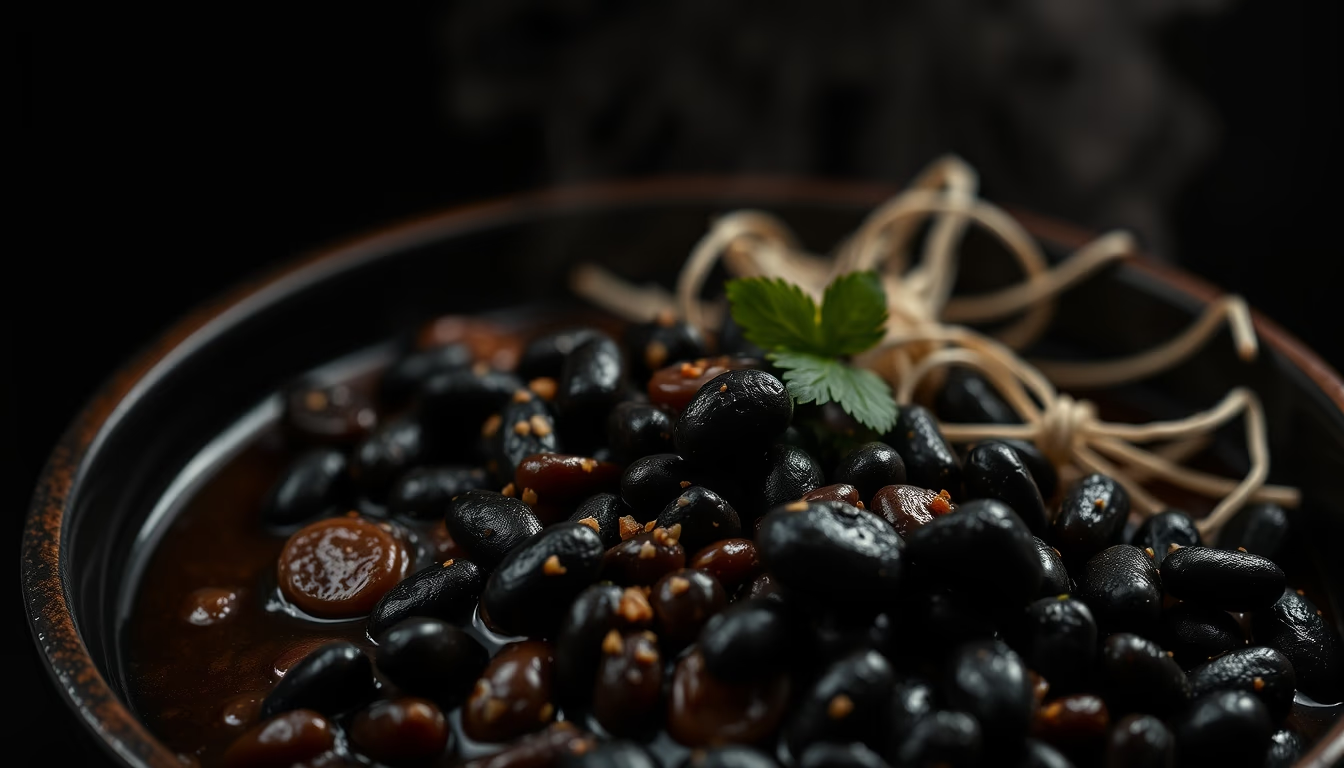
Feijoada brazilian black beans
1344×768 · AVIF · CC BY 4.0
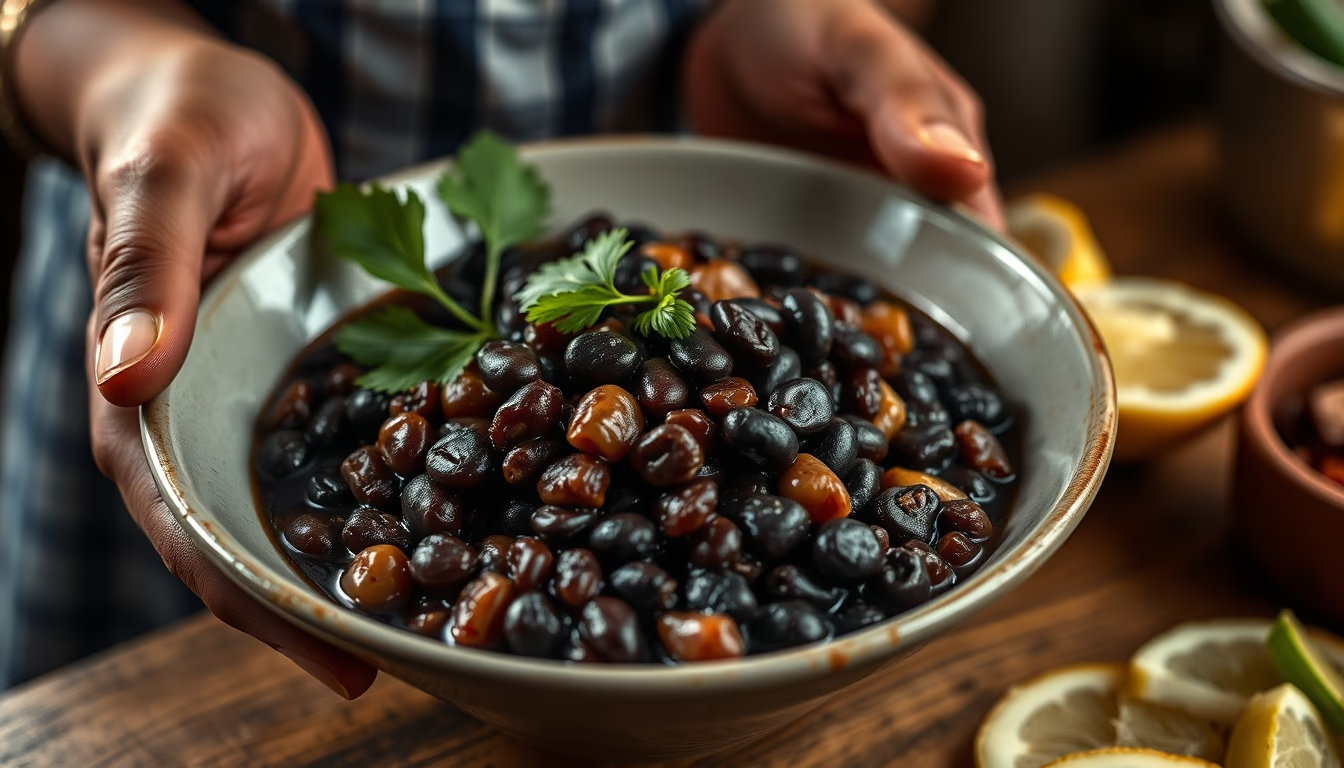
Feijoada is a Brazilian black bean stew with pork and beef, a national dish traditionally served on Saturdays.
About this subject
Feijoada is often hailed as Brazil's national dish, though its origins are debated. The most accepted version traces the stew to enslaved Africans in colonial Brazil, who cooked discarded pork parts with black beans. However, similar stews existed in Portugal, such as cozido. By the 20th century, feijoada became a culinary symbol, popularized by Rio de Janeiro restaurants.
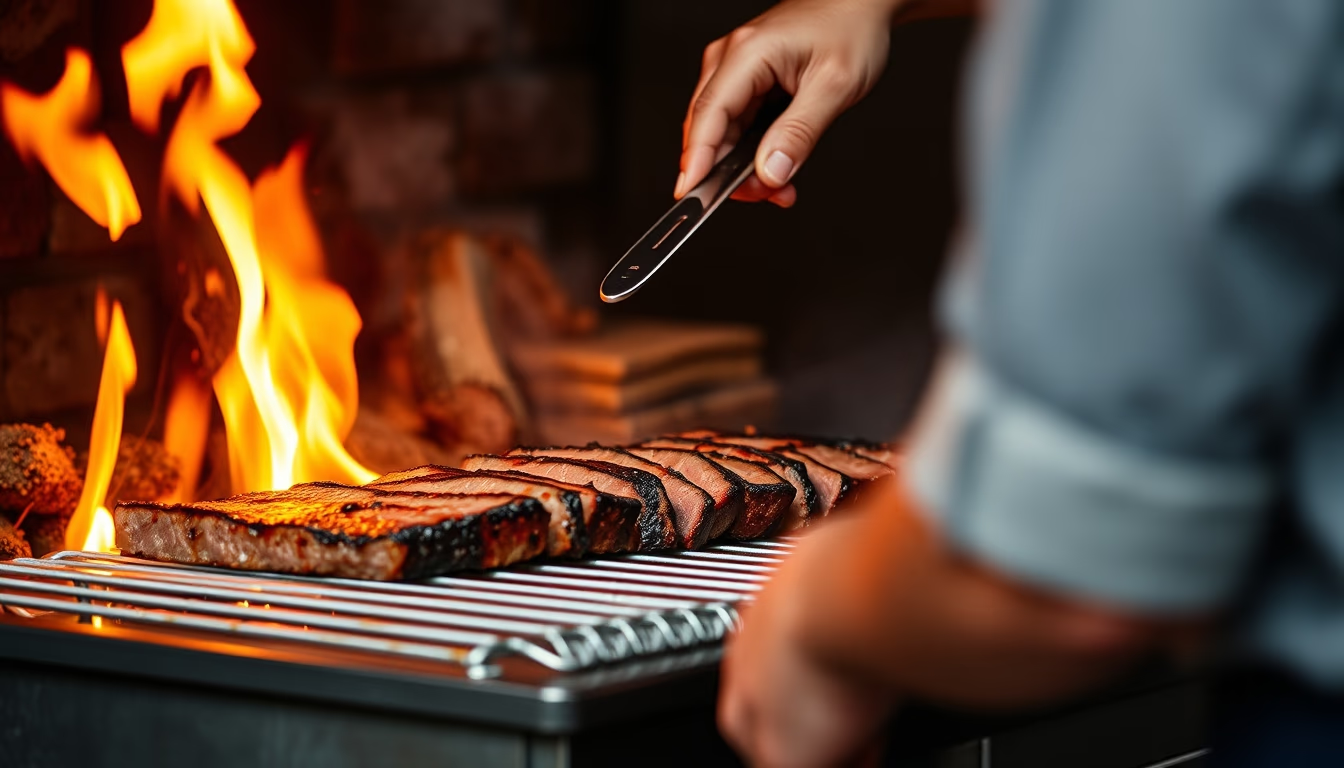
The traditional recipe uses black beans, beef jerky, pork ribs, sausage, loin, and sometimes ears and tails. Slow-cooking for hours blends the flavors. It's served with white rice, sautéed collard greens, farofa (toasted cassava flour), fried pork rinds, and orange slices, which aid digestion. Regional variations exist: in the Northeast, mulatto beans or green beans replace black beans; in the South, different pork cuts are used.
Feijoada is typically eaten on Saturdays, bringing families and friends together. Bars and restaurants offer it as a weekly attraction. Since 2015, Brazil's Institute of National Historical and Artistic Heritage (IPHAN) has studied registering feijoada as intangible heritage, acknowledging its cultural relevance. The dish generates millions in annual revenue for the food sector.
Interestingly, feijoada has sparked debates over cultural appropriation. Some Afro-Brazilian groups question its origins, while others see it as a symbol of African resilience. Regardless, feijoada remains a cross-class culinary experience that spans generations.
Frequently Asked Questions
What is the origin of feijoada?
Its origin is debated. The popular story credits enslaved Africans who cooked discarded pork with black beans. However, similar stews existed in Portugal prior to colonization.
What are the traditional side dishes for feijoada?
White rice, sautéed collard greens, farofa (toasted cassava flour), fried pork rinds, and orange slices. Regional variations may include vinaigrette or hot sauce.
Why is feijoada typically served on Saturdays?
Tradition started in Rio de Janeiro, where restaurants offered it as a Saturday special due to its long cooking time. Today, it's a cultural ritual to gather family on that day.
Direct URL
https://pub-c7d6a6ea828543ac903a74a341ccb2e1.r2.dev/imagens/feijoada-brazilian-black-beans-documentary-photography-fresh7.avifHow to credit
Include a visible link back to UtilizAí. Copy one of the snippets below:
<a href="https://xn--utiliza-eza.com/en/midia/imagens/feijoada-brazilian-black-beans-documentary-photography-fresh7">Feijoada brazilian black beans</a> by <a href="https://xn--utiliza-eza.com">UtilizAí</a>, licensed under <a href="https://creativecommons.org/licenses/by/4.0/">CC BY 4.0</a>.
[Feijoada brazilian black beans](https://xn--utiliza-eza.com/en/midia/imagens/feijoada-brazilian-black-beans-documentary-photography-fresh7) by [UtilizAí](https://xn--utiliza-eza.com), CC BY 4.0
License: CC-BY-4.0