Feijoada brazilian black beans
1344×768 · AVIF · CC BY 4.0
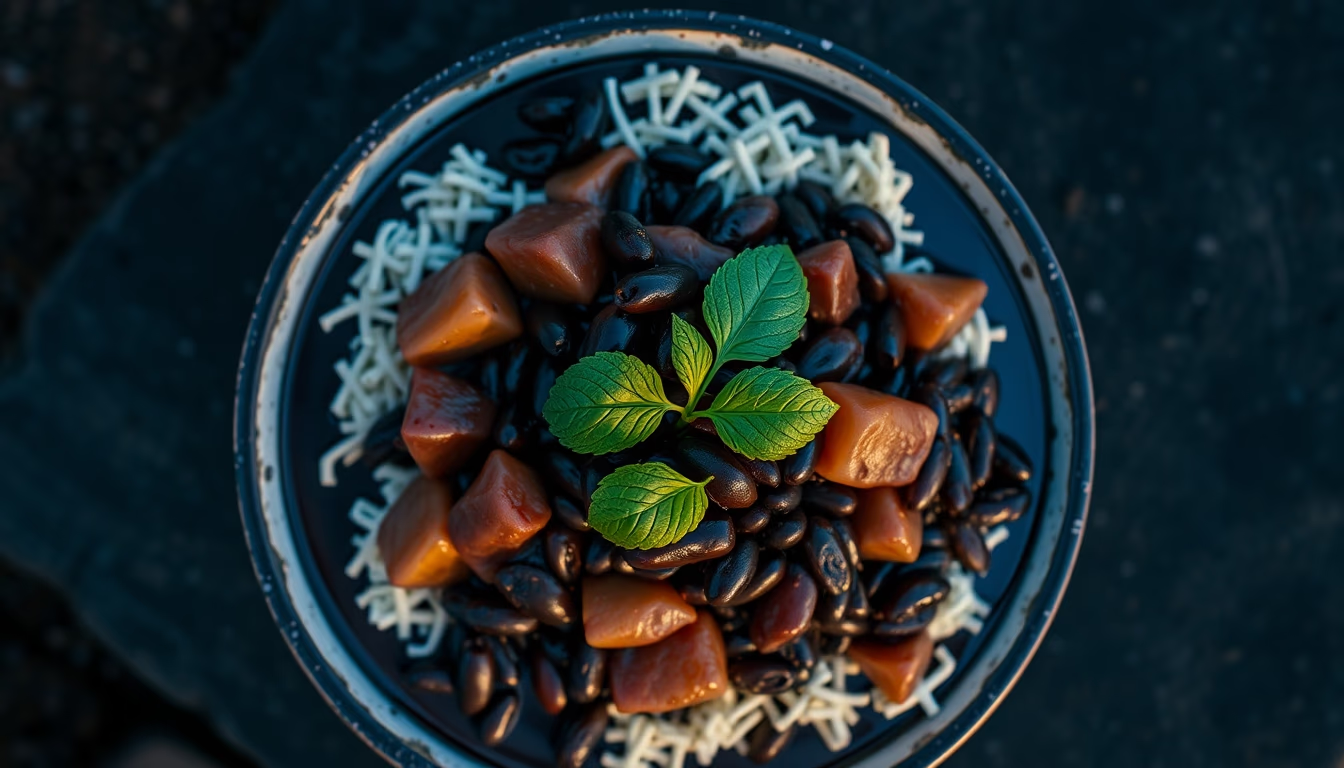
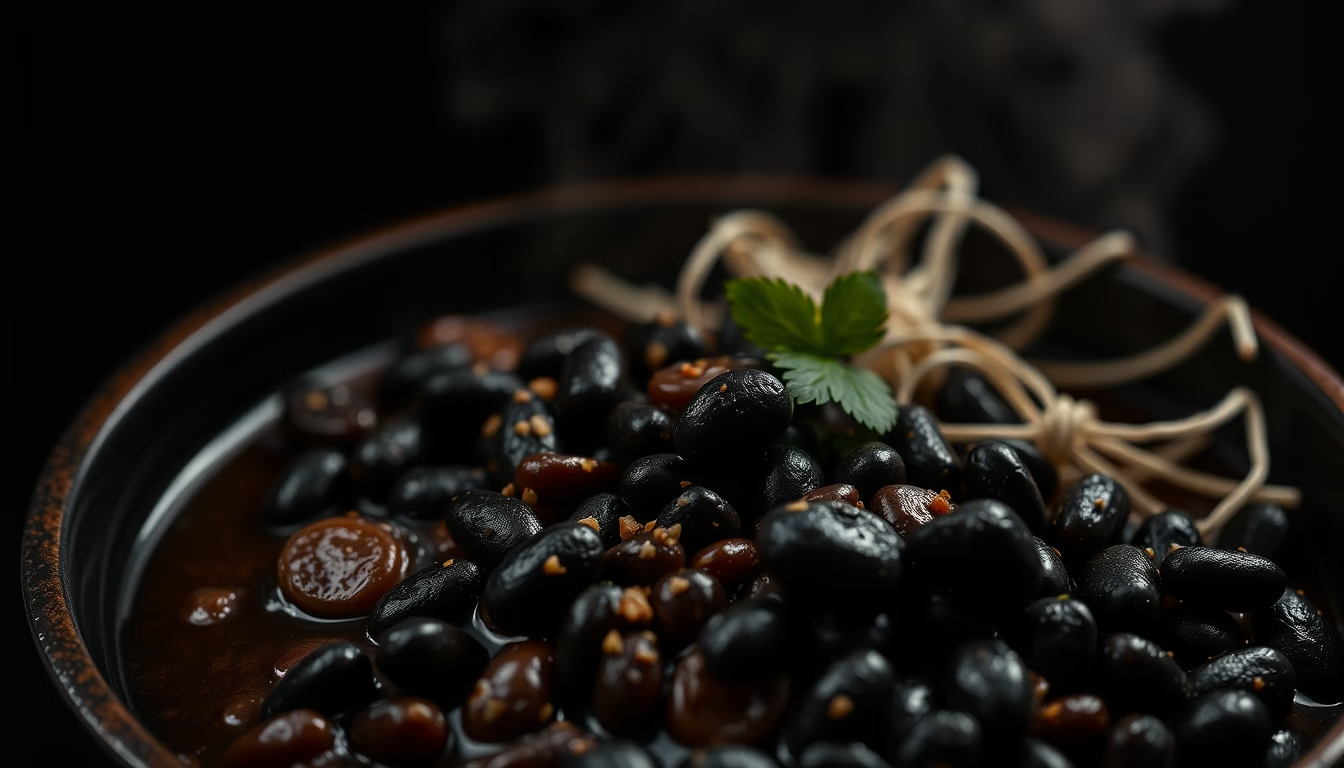
Feijoada is Brazil's national dish, a black bean stew with salted, smoked, and fresh meats, served with rice, collard greens, and farofa.
About this subject
Feijoada is one of Brazil's most iconic dishes, with roots dating back to the colonial era. Contrary to the popular myth that it originated in slave quarters using leftovers, historians trace its origin to Portuguese stews adapted with black beans and pork cuts available in Brazil. The dish was consolidated in the 19th century and spread nationwide.
It is made by slowly cooking black beans with a variety of meats: jerked beef, pork ribs, smoked sausage, bacon, and less noble cuts like trotters, ears, and tail. Traditional sides include white rice, garlicky collard greens, toasted cassava flour (farofa), crispy pork rinds (torresmo), and orange slices to balance the richness.
Regional variations are significant. In Rio de Janeiro, the full feijoada includes all possible meats; in São Paulo, it often features calabresa sausage and pork chops. In Bahia, black-eyed peas replace black beans, and the stew is served with pirão (thick broth with flour). The custom of eating it on Wednesdays and Saturdays has become a ritual in eateries across Brazil.
Culturally, feijoada reflects Brazil's mixed heritage, combining Indigenous cassava, African sautéing techniques, and European pork and collard greens. It is a celebratory, leisurely lunch that brings people together. Its fame has spread globally, and it is now enjoyed in many countries as a symbol of Brazilian cuisine.
Frequently Asked Questions
What are the main ingredients of feijoada?
Black beans, dried beef, pork ribs, smoked sausage, bacon, and pork parts like trotters and ears. Served with rice, collard greens, farofa, pork rinds, and orange slices.
What is the origin of feijoada?
It evolved from Portuguese stews using black beans and various pork cuts. The myth of being invented by slaves is unconfirmed; the dish was consolidated in 19th-century Brazil.
When is feijoada traditionally eaten?
Traditionally on Wednesdays and Saturdays, as a heavy festive lunch, enjoyed in casual eateries or at home with family and friends.
Direct URL
https://pub-c7d6a6ea828543ac903a74a341ccb2e1.r2.dev/imagens/feijoada-brazilian-black-beans-aerial-drone-shot-fresh10.avifHow to credit
Include a visible link back to UtilizAí. Copy one of the snippets below:
<a href="https://xn--utiliza-eza.com/en/midia/imagens/feijoada-brazilian-black-beans-aerial-drone-shot-fresh10">Feijoada brazilian black beans</a> by <a href="https://xn--utiliza-eza.com">UtilizAí</a>, licensed under <a href="https://creativecommons.org/licenses/by/4.0/">CC BY 4.0</a>.
[Feijoada brazilian black beans](https://xn--utiliza-eza.com/en/midia/imagens/feijoada-brazilian-black-beans-aerial-drone-shot-fresh10) by [UtilizAí](https://xn--utiliza-eza.com), CC BY 4.0
License: CC-BY-4.0