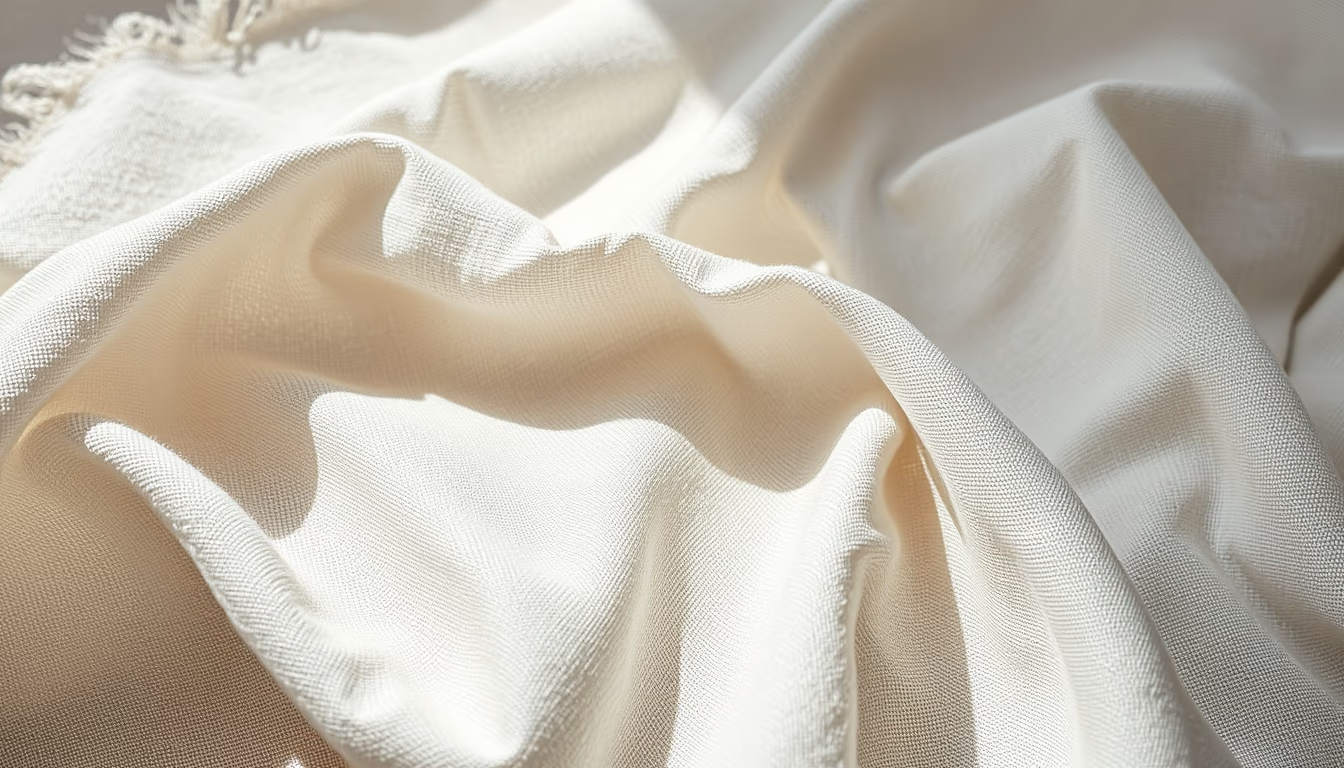
Fabric texture linen
1344×768 · AVIF · CC BY 4.0

The texture of linen, an ancient natural fiber, reveals an irregular and cool surface, a symbol of elegance and sustainability.
About this subject
Linen is a textile fiber extracted from the stem of the flax plant (Linum usitatissimum), cultivated for over 6,000 years. Originating in the Fertile Crescent, it was used by Egyptians to wrap mummies and became a noble fabric in medieval Europe. Its production involves harvesting, retting (to separate fibers), scutching, and spinning. The result is a strong yarn with natural thickness variations, giving the fabric surface an irregular and lively texture.
Linen properties are distinct: it is highly breathable, can absorb up to 20% of its weight in moisture without feeling damp, and has low elasticity, explaining its characteristic wrinkles. Unlike cotton, long linen fibers produce a fabric that feels cooler to the touch, ideal for warm climates. It is also biodegradable and requires less water than cotton, making it a sustainable choice.
Culturally, linen symbolizes purity and sophistication. In Ireland, handcrafted linen is a heritage; in Belgium and France, lace made from linen is a tradition. Today, linen is used in summer clothing, bedding, tablecloths, and even carbon-fiber composites. Its distinctive texture, with slubs and irregularities, is valued in minimalist design and the 'natural' style. The growing demand for eco-friendly fibers has boosted its use in sustainable fashion and home decor.
Frequently Asked Questions
How to differentiate linen from cotton?
Linen has longer, less elastic fibers, resulting in a firmer fabric with visible slubs. It feels cooler and smoother to the touch than cotton, and wrinkles easily. Cotton is softer and more elastic.
Does linen wrinkle easily?
Yes, linen wrinkles easily due to the low elasticity of its fibers. This is considered a natural, even desirable characteristic for casual style. To reduce wrinkles, steam or iron the fabric while slightly damp.
Why is linen more expensive than cotton?
Linen production is more labor-intensive and artisanal: harvesting requires care, retting takes time, and spinning demands skill. Additionally, flax yields less fiber per hectare than cotton, making the final fabric scarcer and more valued.
Direct URL
https://pub-c7d6a6ea828543ac903a74a341ccb2e1.r2.dev/imagens/fabric-texture-linen-documentary-photography-p0.avifHow to credit
Include a visible link back to UtilizAí. Copy one of the snippets below:
<a href="https://xn--utiliza-eza.com/en/midia/imagens/fabric-texture-linen-documentary-photography-p0">Fabric texture linen</a> by <a href="https://xn--utiliza-eza.com">UtilizAí</a>, licensed under <a href="https://creativecommons.org/licenses/by/4.0/">CC BY 4.0</a>.
[Fabric texture linen](https://xn--utiliza-eza.com/en/midia/imagens/fabric-texture-linen-documentary-photography-p0) by [UtilizAí](https://xn--utiliza-eza.com), CC BY 4.0
License: CC-BY-4.0